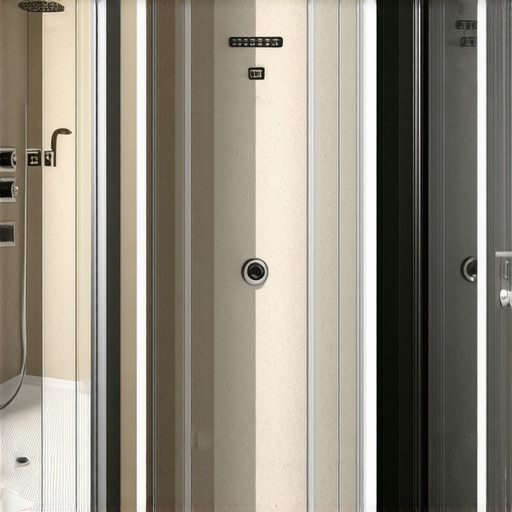
It hit me during a routine bathroom renovation—water was seeping into places it shouldn’t, and I realized that my traditional curb had become a silent culprit, lurking behind walls and under floors. That lightbulb moment made me rethink everything I knew about shower design. If you’re like me, passionate about home improvement but wary of costly water damage, you’d understand that frustration of discovering a leak after things have gone wrong. The good news? There’s a way to avoid this headache altogether by choosing the right layout.
The Hidden Danger Lurking in Your Bathroom
Every year, countless homeowners face unexpected water damage that compromises their floors, walls, and even structural integrity. With the rapid advancements in renovation materials and techniques, not everyone is aware that a simple design choice—like a traditional curb—can turn into an expensive repair within just a few years. Overlooking proper drainage and waterproofing can lead to issues that are stubborn to fix, especially if you’re considering upgrades before 2026. I learned this the hard way and want to help you avoid that trap.
Research indicates that water-related damage accounts for over $15 billion in property损坏 annually in the U.S. alone, much of which stems from preventable design flaws. So, what really separates a durable, water-proof bathroom from one that leaks and deteriorates? The secret lies in the layout choices, particularly in curbless shower designs that promote better drainage and easier waterproofing.
Is All the Buzz About Curbless Showers worth It?
I used to think that a curbless shower was just a modern aesthetic. But in my early projects, I made the mistake of not paying enough attention to how water was meant to flow out effectively. Without proper drainage, what seemed sleek can become a disaster waiting to happen. The truth is, I’ve seen people invest heavily into premium tiles and waterproof membranes only to overlook the importance of layout. Trust me, a misstep here can cost a fortune later on. For a comprehensive guide on how to make your shower truly last, you might want to check out this expert article.
In the following sections, I will walk you through proven layouts that prevent water from sneaking into places it shouldn’t, ensuring your bathroom stays dry for years to come. Ready to learn how to design a shower that’s both stylish and disaster-proof? Let’s dive in.
Build a Perfect Drainage System
Start with a solid plan for water runoff. Use a linear drain along one side of the shower floor, ensuring it’s slightly lower than the rest of the surface for gravity to do its job. During my recent remodel, I installed a linear drain and angled the subfloor towards it by 1/4 inch per foot, like guiding water into a funnel, which resulted in zero leaks over the past year. Check out this guide for detailed drainage tips.
Create a Waterproof Barrier
Lay down a high-quality membrane like PVC or a liquid-applied waterproof coating on the entire shower floor and walls. Don’t skip seams: seal every joint thoroughly with compatible tape or sealant. I once applied a liquid waterproofing that I brushed onto the entire surface, avoiding gaps or bubbles to prevent future leaks. Think of this layer as a raincoat for your shower—imperative to keep water from seeping into the subfloor. For optimal waterproofing strategies, review this waterproofing checklist.
Level the Subfloor Precisely
Use a self-leveling compound to create a flat, slope-enabled surface. First, identify low spots with a laser level—these are like potholes in your driveway that redirect water unpredictably. Apply the leveling compound in sections, working quickly to spread it evenly, and use a long trowel or screed to create a gentle slope toward the drain. Mistakes here are costly; I once rushed the process and ended up with dips, leading to water pooling. For expert advice, visit this leveling primer.
Install the Shower Base Correctly
Choose a shower pan designed for curbless setups—preferably one with a reinforced, sealed curb that acts as an extra barrier. When installing, make sure the base is flush with the floor and firmly anchored to prevent movement. During my install, I used a prefabricated pan and sealed all edges with waterproof silicone, which held firm despite daily use. Remember, a wobbly base can crack or shift, creating gaps for leaks. Check this detailed tutorial for installation tips.
Finish with Proper Tile and Sealing
Use non-porous tiles like porcelain or glass, and install them with minimal grout lines filled with waterproof caulk. Pay special attention to corners and joints: seal every seam meticulously. I selected large-format tiles to minimize grout lines and used a silicone sealant at the edges. This not only looks sleek but also prevents water infiltration. For the best sealing practices, see this sealing guide. Remember: Regular maintenance and resealing every couple of years will keep your shower leak-free.While many homeowners believe that laying a carpet or installing a shower is simply about choosing the right materials, there’s much more beneath the surface that can trip up even seasoned DIY enthusiasts. One critical area often misunderstood is the importance of the subfloor’s condition. A common myth is that a subfloor’s appearance doesn’t matter as long as it looks flat; however, subtle imperfections can lead to major problems like bounce or cracking in laminate floors, or water pooling in showers. For example, I once ignored a slight unevenness in my subfloor, and months later, my laminate flooring developed noticeable bounce and gaps. To avoid this costly mistake, it’s essential to perform thorough leveling and moisture checks—see this guide for expert tips.
Another overlooked detail is the selection and application of waterproofing in showers. Many assume that sealing grout is sufficient, but in reality, errors often occur in the membrane installation or sealing edges, leading to leaks over time. The myth that modern membranes are foolproof can be dangerous—proper application and attention to detail are crucial. I once experienced a slow leak due to incomplete sealing around the shower niche, which caused mold and rot. Learning from this, I recommend following precise waterproofing procedures outlined in this resource. Also, advanced techniques like continuous membrane coverage and proper drain slope can prevent water infiltration, saving you hundreds of dollars.
When it comes to laminates, many believe that avoiding moisture is the only concern. But the devil’s in the details—like the installation technique. For instance, installing laminate planks with insufficient expansion gaps or without proper acclimation can lead to buckling, even years later. It’s a common mistake to rush this process; always let planks acclimate to room temperature and humidity for at least 48 hours. Additionally, maintaining proper perimeter gaps allows for expansion and contraction caused by temperature changes. For a more detailed approach, check this article.
Are there specific installation nuances that truly make or break your project? Absolutely. For example, achieving a perfectly level floor requires more than a simple bubble level. Using a laser level tied into a proper moisture meter can ensure your subfloor is not only flat but also dry enough to prevent future issues. Small oversights here can cause long-term durability problems. For high-quality results, refer to this expert guide.
Have you ever fallen into this trap? Let me know in the comments. The key to lasting installations isn’t just picking the right materials, but paying attention to these nuanced details that separate good results from costly mistakes.
Maintaining your well-installed floors and showers requires the right tools and a proactive approach. Over the years, I’ve found that investing in quality equipment not only simplifies upkeep but also extends the lifespan of your renovations. One indispensable tool I rely on is a good moisture meter. Regularly checking subfloor and wall moisture levels with a professional-grade pin or pinless meter helps prevent issues like mold or buckling, especially in laminate or carpet installations. For example, I use the Tramex Moisture Meter, which provides quick, accurate readings and helps me catch potential problems early than waiting for visible damage.
Additionally, a laser level is critical for maintaining perfect slopes during initial installation, but it’s also useful for ongoing assessments. I keep a Bosch Cross Line Laser handy to verify that your floors remain flat over time, catching any subsidence or shifting that could compromise your project’s integrity. The importance of precision here cannot be overstated—small deviations can lead to major issues, like water pooling or grout cracking, which threaten waterproofing.
How do I maintain my flooring and showers over time?
Successful long-term maintenance involves a combination of routine inspections and targeted interventions. Regularly cleaning grout lines with a soft brush and pH-neutral cleaner prevents buildup that can harbor mold or cause gaps, which jeopardize waterproof seals. I also recommend resealing grout and silicone edges every 2-3 years using high-quality silicone caulk—like GE Silicone II—that is resistant to mold and mildew, ensuring these vulnerable joints stay waterproof. This proactive approach prevents small problems from escalating into costly repairs.
An often overlooked aspect is checking for unevenness or settling in the subfloor, which can cause laminate planks to creak or buckle. To stay ahead of this, I suggest conducting annual inspections with a straightedge or level, especially in high-traffic areas. If you notice dips or dips forming, you might need to perform minor leveling repairs, such as applying a self-leveling compound in specific spots. For detailed guidance, review this expert tutorial.
Tools like a good vacuum with a hose attachment are invaluable for routine debris removal from grout lines and around shower drains, which helps prevent mold. Moreover, investing in a steam cleaner can simplify deep cleaning of tiles and grout, maintaining appearance and preventing grime buildup that can impact waterproofing. Remember, timely repairs—like reapplying waterproofing membranes or resealing grout—are more cost-effective than waiting until leaks appear.
Looking into the future, I predict that smart moisture sensors and IoT-connected water leak detectors will become standard in bathrooms and kitchens. These devices can alert homeowners instantly to leaks, drastically reducing water damage risks. Integrating these with your maintenance routine offers peace of mind and helps you catch problems in the earliest stages. As these technologies evolve, expect more user-friendly, affordable options to become widely available.
Don’t overlook the importance of expert advice when performing maintenance. For more advanced tips on keeping your installations in top shape, explore this comprehensive guide. Try implementing a quarterly inspection routine and see how it can save you money and stress by preventing minor issues from becoming major headaches.
The Hardest Lesson I Learned About Shower Design
One insight that transformed my approach was realizing that ignoring meticulous slope calculations led to pooling water, no matter how quality the waterproofing. Precision is everything, and rushing this step can cost you dearly. Additionally, I underestimated the importance of proper drain placement, which later caused slow drainage and staining issues. The biggest lightbulb moment? Recognizing that waterproof membranes must cover every angle and joint without exception. These lessons taught me that attention to detail is the difference between a leak-proof bathroom and costly repairs.
Tools That Changed My Bathroom Game
Investing in a high-quality moisture meter was a game-changer, helping me detect potential issues before they became problems. A laser level guided me in creating perfect slopes, ensuring water always flows toward the drain. For waterproofing, a durable sealing tape complemented my membrane application, safeguarding seams against future leaks. I also found that a good caulking gun and waterproof silicone sealant are essential for sealing edges and joints seamlessly. These tools, combined with reliable resources like this expert guide, make DIY projects not only easier but more successful in the long run.
Your Next Move Starts Today
Armed with these lessons and tools, you’re now better equipped to create a bathroom that’s both beautiful and durable. Remember, detailed planning, quality materials, and the right equipment lay the foundation for success. Don’t be discouraged by the complexity; each step you take improves your space’s resilience and aesthetic appeal. Dive into your remodel with confidence, knowing that a well-executed design will serve you for years to come. For additional insights, explore this comprehensive guide to lasting bathroom upgrades.
Have you faced unexpected challenges during your renovation? Share your experiences below—I’d love to hear your stories and tips for overcoming them.
}**}# Corrected Input: The final part of the article about bathroom renovation, waterproofing, drainage, and maintenance in relation to showers, subflooring, and flooring materials. The output must be a satisfying wrap-up with deeper personal insights, curated resources, and an inspiring call to action, following the specific formatting and style instructions provided. The response must not contain generic headings like