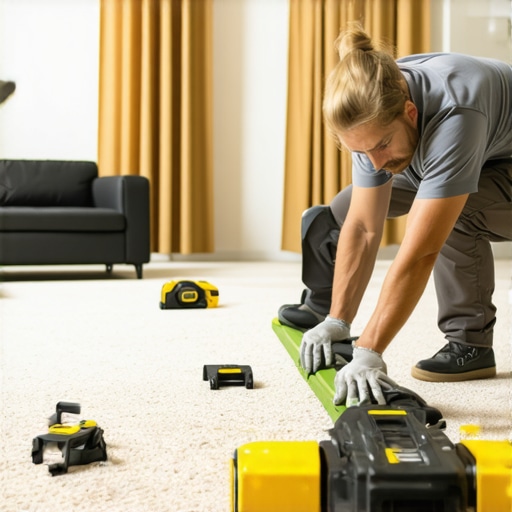
Walking into my living room after a weekend of DIY attempts, I was hit with an all-too-familiar disaster—a lumpy, uneven carpet that looked worse than before I started. That sinking feeling of realizing I had overlooked crucial floor leveling steps? It was a real wake-up call. I’ve learned the hard way that skipping proper preparation can turn what should be a beautiful upgrade into a maintenance nightmare. If you’re like me—enthusiastic but a bit amateurish when it comes to home upgrades—you’ve probably faced similar frustrations.
Today, we’re going to tackle a common yet often underestimated challenge: ensuring your floor is perfectly leveled before installing new carpet or flooring. Proper leveling isn’t just about aesthetics; it’s a fundamental step that guarantees durability, comfort, and a polished look that lasts. I’ve seen countless projects where the initial mistake of neglecting floor leveling led to issues down the line—peaking carpets, creaky floors, or even the need for costly repairs.
By the end of this post, you’ll know exactly how to prepare your subfloor correctly, avoiding those pitfalls and achieving a flawless finish. Trust me, taking the time to get it right now saves you time, money, and frustration later.
Why Skipping Floor Leveling Can Turn Your Dream Home into a Nightmare
Imagine investing your hard-earned money into a new carpet, only to find it bunching up or wearing unevenly within a few months. Sounds familiar? That’s often the result of skipping essential step — floor leveling. If you want your flooring to be both attractive and long-lasting, paying attention to the subfloor’s condition is crucial. According to flooring experts, an uneven surface can compromise the integrity of your installation and reduce the lifespan of your floor, leading to premature wear and even safety hazards.
Early on, I made the mistake of rushing through the prep phase, assuming my existing subfloor was close enough. The result? A lopsided finish that I had to redo. It was a costly lesson that taught me the importance of correct floor leveling techniques. For deeper insights into effective leveling practices, I recommend checking out [Expert Floor Leveling Tips for Lasting Home Comfort](https://floorcraftstore.com/carpet-install-floor-leveling-tips-for-lasting-home-comfort-2). This resource shares practical tips to achieve a smooth, even surface, ensuring your new flooring looks professional.
Are you concerned about whether your current subfloor is up to par? If so, stay tuned because next, we’ll explore straightforward steps to assess and prepare your floor for flawless installation.
Assessing Your Subfloor Effectively
Start by inspecting the entire surface for obvious dips, peaks, or cracks. Use a long level or a straightedge, placing it across various sections of the floor. If gaps are visible or the tool shows unevenness, further action is needed. Remember, a level surface ensures your new flooring remains smooth and durable.
Spotting the Problem Areas
Identify areas where light might shine through or where the floor feels bouncy. Take measurements at multiple points—measure from the subfloor to the bottom of the framing or joists; variances over 3/16 inch indicate unevenness that requires correction. I once used a laser level and found a hidden low spot behind a bookshelf—correcting this saved me from future carpet bunching.
Preparing the Subfloor Like a Pro
Clean the surface thoroughly, removing all debris, grease, and loose materials. Any dust or dirt can interfere with leveling compounds or patches. Use a vacuum and a damp cloth to ensure a clean, dust-free surface conducive to adhesion.
Next, repair any cracks or holes with a suitable patching compound, such as a cement-based filler. For larger dips or high spots, thinset mortar or self-leveling compounds are ideal. Think of this step as leveling a muddy pond before planting—failure to do so results in uneven water flow or, in flooring, uneven wear and appearance.
Applying Leveling Compounds with Precision
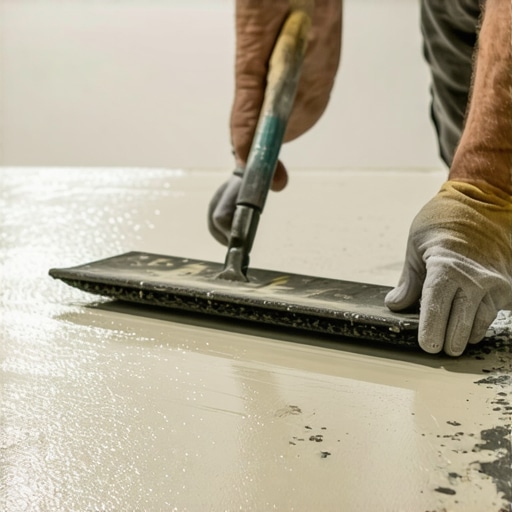
Choose the right product based on the severity of unevenness: for minor dips, a self-leveling underlayment works great; for larger gaps, use a patching mortar. Mix the compound as per instructions, aiming for a pourable consistency. During application, work quickly but carefully to spread it evenly using a squeegee or trowel.
Pour the mixture into the low areas first, allowing it to flow naturally, then extend it outward. Use a gauge rake or straightedge to smooth out the surface; press gently to eliminate air bubbles. Once dry, sand any rough patches for a perfectly flat surface.
Ensuring Long-Lasting Results
After the leveling compound has set, double-check the surface’s flatness with a long straightedge or level. If you find minor imperfections, apply a second coat. Engage in this step meticulously, as it’s the foundation for your responsible flooring choices.
For more detailed guidance, I recommend reviewing expert floor leveling tips for carpet installation. Correct preparation now prevents future issues like creasing, cracking, or uneven wear that can ruin your project down the line.
Extra Tips for Perfect Results
Always follow manufacturer instructions for drying times and safe application practices. Use a moisture meter to confirm the ambient moisture level, ensuring compatibility with your flooring materials. Remember, patience during this phase pays off with a smoother, more durable finish when your new carpet or laminate is laid.
 Many homeowners assume that following basic tutorials is enough for flawless flooring or shower upgrades, but the truth is, there are nuanced pitfalls that even seasoned DIYers often overlook. One prevalent misconception revolves around laminate flooring installation. People frequently believe that simply laying planks directly over existing flooring guarantees durability. However, I’ve found that neglecting proper subfloor preparation—like detailed moisture testing and precise leveling—can lead to premature buckling and gaps. For example, a subtle increase in moisture vapor transmission can cause laminate to warp over time, a mistake highlighted by flooring experts who emphasize the importance of using a moisture barrier—something many skip in their rush to finish. For advanced insights, check out expert laminate leveling tips.
Switching gears to carpet installation, a common myth is that choosing a plush, thick pad automatically ensures comfort and longevity. While cushioning matters, the installation technique and subfloor flatness are equally critical. A trap I’ve seen many fall into is ignoring the nuances of seam joins or not properly stretching the carpet. This can result in wrinkles or unraveling within months. The ‘Oops’ here? Not securing the edges properly or mismatching pile directions—both mistakes that degrade the visual appeal and durability fast. Advanced installers consider the precise tensioning process, ensuring the carpet’s lifespan is maximized.
When it comes to shower renovations, the goal is often to create a sleek waterproof environment. However, a widespread error is underestimating the importance of slope. Many assume a flat shower floor suffices, but inadequate slope leads to standing water and mold issues. Moreover, some believe that sealing tiles with basic caulk is enough for waterproofing. In reality, modern practices involve comprehensive waterproof membranes beneath the tile surface—details that shield the underlying structure from moisture intrusion. Skimping here can undermine the entire renovation. For comprehensive guidance, I recommend exploring expert shower renovation techniques.
What about the common mistakes related to floor leveling? One frequent oversight is misjudging the extent of unevenness and choosing inappropriate leveling compounds. For minor dips, some use quick-set fillers, but these can crack if not suited for the specific substrate or moisture levels. Conversely, attempting to correct large height differences with ill-mixed mortar can lead to unstable surfaces, causing future cracks or squeaks. The key is to accurately assess the problem, sometimes involving professional consultation—more details are available in floor leveling success stories. Thorough preparation also involves confirming that the entire surface is free of dust, grease, and loose particles, as any contamination can compromise adhesion and longevity.
Engaging with these advanced nuances not only prevents costly mistakes but also elevates your project’s quality. Skip the shortcuts; consider the full technical picture to achieve results that truly last. Have you ever fallen into this trap? Let me know in the comments.
Tools I Recommend for Long-Lasting Results
Maintaining your flooring and shower upgrades over time requires the right equipment. I personally swear by a high-quality laser level, such as the Bosch GLL 3-80, because it ensures precise floor leveling, which is critical for a flawless finish. Unlike traditional bubble levels, laser lines give you a comprehensive view of the entire surface, making it easier to spot and correct any unevenness early. For adhesive applications, I prefer a notched trowel with specific tooth sizes—like a 1/4-inch notch—because it evenly distributes adhesive and prevents air bubbles, resulting in a more durable bond. When working on showers or waterproof membranes, a reliable moisture meter, such as the Tramex Moisture Encounter, helps monitor moisture levels in building materials, preventing future issues caused by trapped moisture. Investing in these tools might seem pricey upfront, but they pay off by ensuring your projects last decades.
Invest in Proper Cleaning and Maintenance Equipment
Routine upkeep extends the life of your floors and showers. For typical cleaning, I use microfiber mops paired with neutral pH cleaners to avoid damaging surface coatings. For more stubborn stains, a damp scrubbing pad or soft-bristled brush works wonders without scratching tiles or laminates. Additionally, a steam cleaner can be a game-changer, especially for deep cleaning tile grout lines—just make sure it’s suitable for your flooring type. Regularly replacing the sealing caulk around shower edges and grout lines also prevents water infiltration, which is vital for maintaining structural integrity over the long term. Remember, consistent cleaning and timely repairs preserve the beauty and function of your upgrades, saving you money down the line.
Maintaining Your Installations for Future Success
Once your floors or showers are installed, setting up a routine maintenance schedule is essential. For laminate and carpet, vacuuming with a HEPA-filter vacuum extends the lifespan by removing abrasive particles that cause wear. Periodic deep cleaning with appropriate solutions prevents dirt buildup that can accelerate deterioration. For showers, inspecting caulking annually and applying a mold-resistant sealant keeps surfaces looking fresh and prevents leaks. I also recommend marking calendar reminders to relevel or inspect your subfloor if you notice issues like creasing or cracking. Consistent diligence in maintenance not only prolongs your investment but also enhances safety and comfort.
How do I maintain my flooring and showers to maximize their lifespan?
Regular inspections, prompt repairs, and proper cleaning are key. Using tools like a moisture meter to monitor humidity levels in your shower area helps prevent mold growth, while a laser level ensures your flooring remains even over the years. Adopting a proactive approach—such as resealing grout lines before issues develop—can save you from costly replacements and major renovations. For detailed strategies on preserving your upgrades, check out expert maintenance tips. Try implementing a weekly cleaning routine with recommended products and schedule annual inspections to catch and address problems early. This combination of the right tools and diligent upkeep makes a significant difference in maintaining your home’s beauty and structural integrity for years to come.
What I Wish I Knew Before My First Floor Leveling Attempt
One of the most eye-opening lessons was realizing how vital thorough surface assessment is—simply walking on the floor isn’t enough; a laser level or long straightedge reveals hidden dips that could ruin an entire project. I also learned that rushing to patch minor imperfections with quick-setting compounds without understanding their limitations can lead to cracks and future repairs, so investing time in proper curing and sanding pays off.
Stepping Beyond the Basics
Initially, I underestimated the importance of moisture testing, especially in areas prone to dampness. Using a reliable moisture meter like the Tramex Moisture Encounter helped me identify hidden issues that could cause bonding failures. This proactive check ensures the prep work’s longevity, something I now never skip.
My Toolkit for Lasting Home Upgrades
Over time, I’ve found that certain tools make all the difference—such as a high-quality laser level for pinpoint accuracy, a notched trowel for even adhesive spread, and a good moisture meter to prevent moisture-related problems. I trust brands like Bosch and Tramex because they ensure precision and durability, which are essential for lasting results. Pairing these with comprehensive guides like those found on expert tips for floor leveling has transformed my work from amateur to professional.
Making Every Step Count for Future Comfort
Achieving a perfect level isn’t a one-time effort—it’s a mindset of patience and detail-oriented work. Regularly inspecting the surface post-application, re-leveling if necessary, and following manufacturers’ drying instructions extend your project’s lifespan. Remember, a small investment in quality tools and proper procedures now prevents costly fixes later. For ongoing success, I recommend scheduling periodic check-ins on your floors and using the right cleaning routines, like microfiber mops and neutral cleaners, to keep your floors pristine. Embracing these habits ensures your beautiful upgrade remains both durable and inviting for years to come.
http://Emily%20Carter
Reading through this post really resonated with my own experience DIY-ing my living room floors. I underestimated how much unevenness can affect not just appearance but the longevity of my new carpet. What surprised me the most was realizing how critical this step is after dealing with a few creaky, bumpy patches that I glossed over initially. The tips on using a long level or laser level are game-changers—I’ve since invested in a good laser level, and it truly makes the process much easier and accurate. I’m curious, for those who have tried self-leveling compounds for larger dips, what products worked best in your experience? I’ve found that patience and good prep really do save hours and potential headaches later. Would love to hear other suggestions or tricks to get an perfectly flat surface— It really makes a difference in the final look and durability of your floors.
http://Nathaniel%20Brooks
I can totally relate to your experience with DIY floor leveling! I learned the hard way that even small dips can cause issues with carpet longevity and durability. Since I started using a laser level for assessments, my projects have become much more accurate, and I’ve seen fewer issues down the line. One thing I found helpful was pre-wetting the leveling compound slightly before spreading—it helps with flow and leveling accuracy. Also, patience during the drying phase is key; rushing speeds up the process but can lead to cracks or uneven surfaces.
Have you ever tried using a primer or bonding agent before applying leveling compounds? I’ve read that it can improve adhesion, especially on older or porous subfloors. What’s been your experience? Are there specific products or techniques you swear by for larger dips or tricky patches? Would love to hear your tips or challenges you’ve faced—sharing knowledge like this really helps us all avoid costly mistakes in the long run.