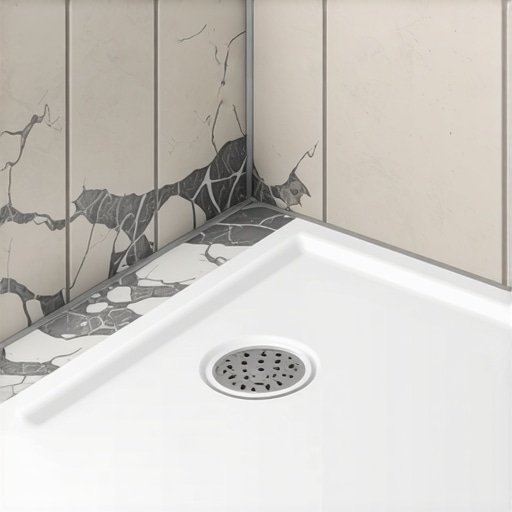
I still remember the bitter taste of realizing a leak from my shower had been slowly damaging my bathroom walls and flooring for months. It was a frustrating wake-up call that waterproofing isn’t just about slapping on a sealant and calling it a day. Early on, I made a crucial mistake: overlooking the importance of proper water barrier installation. That oversight led to mold, costly repairs, and a loss of peace of mind. If you’ve ever faced a stubborn shower leak that just won’t go away, you know how stressful it can be.
Why Waterproofing Mistakes Could Wreck Your Bathroom Every Time
Modern bathroom renovations promise sleek aesthetics and increased durability, but they also come with pitfalls that can cause serious issues down the road. The truth is, many homeowners and even some contractors are still caught off guard by the modern waterproofing mistakes that undermine shower longevity. Why does this happen? Sometimes it’s a lack of knowledge, sometimes impatience, or simply assumptions that standard practices are enough.
According to the [Home Innovation Research Labs](https://floorcraftstore.com/best-showers-waterproofing-solutions-for-modern-bathroom-upgrades), improper waterproofing remains the leading cause of shower-related damages in new constructions and remodels. This is startling because waterproofing is a proven, cost-effective way to prevent leaks—when done correctly.
What really sets me apart from those who face recurring issues? I learned the hard way that DIY solutions or outdated methods won’t cut it anymore. Instead, I began to understand the nuances of modern waterproofing techniques and invested in learning from true experts. For example, knowing the right waterproofing membranes and properly sealing junctions can save you thousands of dollars in future repairs.
So, have you encountered a leak that seems to emerge from nowhere, despite your efforts? If yes, you’re not alone—and that sets the stage for some critical lessons. In the next sections, we’ll dive into the three common waterproofing mistakes that homeowners and even seasoned renovators often make, and how to avoid them. Start by ensuring that your approach to waterproofing is based on best practices, not assumptions or shortcuts, to safeguard your bathroom investment.
Preparing the Foundation for Waterproofing Success
Start with a clean, dry surface. Remove any debris, old paint, or loose particles that could compromise adhesion. For uneven areas, apply a self-leveling compound to create a flat, stable base. Using an expert level or laser level, ensure the surface is perfectly even, as imperfections can lead to future leaks or cracking. I once neglected this step in a bathroom remodel, and the uneven floor caused subsequent waterproofing failures, leading to costly repairs. To prevent this, I learned to check the surface thoroughly, referencing instructions from professional tips on floor leveling.
Many homeowners assume that basic leveling or straightforward installation techniques are sufficient for durable, professional results, but this often leads to overlooked nuances that can cause costly problems later. Contrary to popular belief, achieving a perfectly level surface or a seamless shower isn’t just about following step-by-step instructions—it’s about understanding the subtle factors that influence long-term performance. One common myth is that using a quick-setting compound or cheap underlay is a cost-effective shortcut; in reality, these shortcuts can compromise stability and lead to uneven surfaces over time. For example, improper mixing ratios of self-leveling compounds can result in irregularities that affect flooring and fixture fairness, a mistake best avoided by consulting detailed expert tips on floor leveling techniques.
How does advanced substrate preparation impact the success of installations?
The answer lies in the meticulous preparation of the substrate. Failing to assess moisture levels, surface flatness, or existing damage can undermine the entire project, causing future buckling, cracking, or leaks. For instance, in laminate flooring, even small imperfections can create stress points that lead to gaps or warping; this is why many professionals emphasize the importance of thorough surface evaluation and correction before installation, details elaborated in laminate floor leveling tips. Additionally, many assume that the aesthetic finish overrides structural integrity, but this misunderstanding neglects the fact that a flawless surface is ultimately dependent on the initial groundwork.
For shower waterproofing, the devil is in the details—especially in sealing junctions and ensuring proper slope to drain water efficiently. Advanced installers know that neglecting to create a precise slope or using incompatible waterproof membranes can lead to hidden leaks, mold, and structural damage over years. As highlighted in shower waterproofing solutions, expensive failures often trace back to these overlooked nuances.
If you’re embarking on a renovation, resist the temptation to cut corners. True durability and perfection come from understanding and managing these hidden variables. Have you ever fallen into this trap? Let me know in the comments.Maintaining your renovated spaces effectively requires more than just initial installation skills. Quality tools and a strategic approach to upkeep ensure your investments last for years. One indispensable tool I rely on is a digital moisture meter, such as the Wagner Meters MMC220, which allows me to accurately assess moisture levels beneath laminate or carpet flooring and in shower substrates. This helps prevent hidden issues like mold or buckling before they become visible problems. Additionally, I prioritize high-quality waterproofing membranes, like the Schluter Kerdi system, because their durable, seamless application provides long-term protection against leaks—a crucial consideration highlighted in modern shower waterproofing solutions. For cutting and detailing, a laminate cutter with adjustable blades ensures clean, precise edges, reducing the risk of future delaminations around corners or joints. Regularly inspecting sealants and grout lines, coupled with reapplication of silicone caulk using a 100% silicone formula, keeps these vulnerable areas water-tight. In the future, I predict innovations like IoT-enabled sensors capable of real-time moisture detection will become standard, providing homeowners with continuous monitoring and proactive alerts before damage occurs. To get started with long-term maintenance, I recommend incorporating a digital moisture meter into your routine inspections—testing beneath flooring and around waterproofed areas. Making this a regular habit allows you to address issues early and avoid costly repairs down the line. How do I keep my shower waterproofing in top shape over time? Consistent inspections, resealing grout lines, and using trusted products are key. Remember, investing in quality tools not only simplifies maintenance but dramatically extends the lifespan of your renovations. For a deeper dive into surface prep and ongoing care, consider exploring expert tips on floor leveling and upkeep. Try implementing a moisture check every six months to catch potential issues early and save yourself from larger headaches later.
What I Wish I Knew When Starting Out
One of the most eye-opening lessons I learned was the importance of detailed substrate assessment. Overlooking moisture levels or surface imperfections early on set the stage for future leaks and mold. Now, I always invest time in thorough inspections, referencing expert advice<迁a href='https://floorcraftstore.com/expert-floor-leveling-laminate-flooring-tips-for-durability' target='_blank' rel='noopener noreferrer'>on proper floor leveling techniques. This tiny step can save you from big repair bills.
Another revelation was how critical creating the right slope in your shower area truly is. A slight miscalculation in drainage slope can cause standing water, leading to mildew and damage. I used a laser level to ensure perfect drainage<迁a href='https://floorcraftstore.com/best-showers-waterproofing-solutions-for-modern-bathroom-upgrades' target='_blank' rel='noopener noreferrer'>following expert waterproofing standards. Small details like these matter immensely for long-term success.
Tools and Resources That Transformed My Approach
My go-to tools include a reliable digital moisture meter<迁a href='https://floorcraftstore.com/expert-floor-leveling-laminate-flooring-tips-for-durability' target='_blank' rel='noopener noreferrer'>that helps detect hidden issues before they escalate and high-quality waterproof membranes like the Schluter Kerdi system<迁a href='https://floorcraftstore.com/best-showers-waterproofing-solutions-for-modern-bathroom-upgrades' target='_blank' rel='noopener noreferrer'>which provides seamless, durable protection. These tools have increased my confidence and the longevity of my projects. For deeper insights, I recommend exploring detailed guides on <迁a href='https://floorcraftstore.com/expert-floor-leveling-laminate-flooring-tips-for-durability' target='_blank' rel='noopener noreferrer'>floor leveling and surface prep.
Your Next Step to a Leak-Free Bathroom
Taking action now can make all the difference between a costly disaster and a successful renovation. Regular inspections, resealing grout lines, and embracing quality tools will protect your investment<迁a href='https://floorcraftstore.com/best-showers-waterproofing-solutions-for-modern-bathroom-upgrades' target='_blank' rel='noopener noreferrer'>and ensure your bathroom stays dry and beautiful for years. Remember, attention to detail is your best defense against lurking leaks. What’s the first step you’ll take to improve your bathroom’s waterproofing today? Share below and let’s build leak-proof spaces together!
http://Rachel%20Thomas
Reading this post really made me think about the importance of meticulous preparation before starting any waterproofing work. I’ve had my share of DIY mishaps where I skipped steps like ensuring proper slope or assessing moisture content, and it definitely cost me later—especially with stubborn mold issues that seemed to appear out of nowhere. What stood out to me was the emphasis on using high-quality membranes like Schluter Kerdi and investing in proper tools, such as digital moisture meters, which I’ve started to incorporate into my routine. It’s fascinating how these small but crucial steps can greatly extend the lifespan of a bathroom renovation.
One thing I’m curious about is how others are managing the balance between cost and quality when selecting waterproofing systems. Do you find that investing more upfront actually saves money long-term? I’d love to hear different perspectives and recommendations on effective waterproofing practices for someone planning a bathroom upgrade soon.