The Secret to Blending Different Carpet Dye Lots in Large Rooms
The chemical fingerprint of a dye lot
A carpet dye lot represents a single batch of yarn dyed at the same time under specific heat, pressure, and pH conditions to ensure color uniformity. When you are dealing with large rooms that exceed the square footage of a single roll, you often run into the nightmare of mismatched batches. I have spent 25 years on my knees with a power stretcher and a seaming iron. I have seen guys lose their entire profit on a five thousand square foot office because they didn’t understand the molecular reality of the dye bath. Every batch of nylon or polyester fiber reacts to the pigments differently. Even a one degree Celsius deviation in the water temperature can shift the hue enough to create a visible line once the light hits it. The floor is not a decoration. It is an engineered surface that must interact with the lighting of the room without showing the architecture of its construction. If you think you can just butt two different rolls together and walk away, you are setting yourself up for a callback that will cost you thousands.
“A floor is only as good as the subfloor beneath it; deflection is the enemy of every joint.” – Master Flooring Axiom
The subfloor secret that ruins your visual blend
Floor leveling is the most overlooked factor when trying to hide a transition between two different carpet rolls in a wide open space. I once spent three days grinding concrete on a job last month just so the floor wouldn’t click like a castanet. While that was for a hard surface, the same logic applies here. If your subfloor has a dip of even an eighth of an inch over ten feet, the carpet will follow that contour. When the sun hits that dip, it creates a shadow. If that shadow happens to sit right where your two different dye lots meet, it will exaggerate the color difference by four hundred percent. Most installers think the padding will hide the sins of the slab. It won’t. You need to ensure the surface is flat to the standards of the Tile Council of North America even if you are laying soft goods. A flat floor ensures the pile of the carpet stands at the exact same angle across the seam, which is the only way to trick the human eye into seeing a single color.
The physics of metamerism and light refraction
Metamerism is the phenomenon where two materials appear to match under one light source but look completely different under another. This is the ghost that haunts every large residential basement or commercial ballroom. You might look at your two carpet rolls in the warehouse under fluorescent tubes and think they are identical. Then you get to the job site where the homeowner has floor to ceiling windows and 3000K LED recessed lights. Suddenly, roll A looks like warm oatmeal and roll B looks like cold wet sand. This happens because the chemical structure of the dye in different lots absorbs and reflects light waves at slightly different frequencies. To combat this, you must analyze the room at different times of day. You need to know where the sun will strike the floor at 2 PM. You never place a dye lot change in the path of direct natural light. You move the transition to a doorway or under a planned furniture grouping where the eye is naturally distracted.
| Factor | Lot A Variance | Lot B Variance | Acceptable Delta |
|---|---|---|---|
| Dye Bath Temp | 212°F | 214°F | +/- 1°F |
| Yarn Twist Lock | 5.5 turns/inch | 5.2 turns/inch | 0.2 turns |
| Fiber Denier | 1250 | 1270 | 15 units |
| Moisture Regain | 4.5% | 5.1% | 0.5% |
How to hide a color shift in plain sight
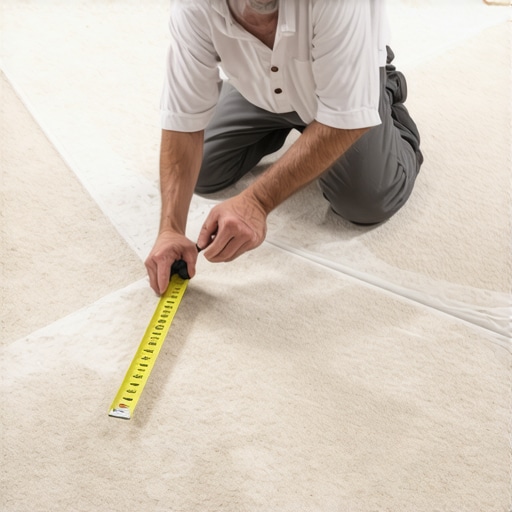
Blending different dye lots requires a technique known as cross fading where you use the physical layout of the room to mask the transition. You do not make a straight cut across the middle of a hallway. You look for the architectural break points. If you have a large room, try to source a single lot for the main field and use the outlier lot for the closets or the areas under the heavy cabinetry. If you must use both lots in the same open space, you have to verify the pile direction with extreme precision. Every carpet roll has a grain. If you flip one roll 180 degrees, it will look like a different color even if it came from the same batch. When you have two different lots, the grain is your only friend. You must ensure the pile is leaning toward the main entrance of the room. This creates a uniform reflection that can sometimes bridge a two percent color variance. Do not use heavy T-molding or bulky transitions. You want a clean, low profile seam that disappears into the texture of the yarn.
The danger of excessive underlayment cushion
While most people want the thickest underlayment, too much cushion actually causes the locking mechanisms on LVP to snap under pressure and creates peaked seams in carpet. If you put a thick, mushy pad under a carpet seam where two dye lots meet, the foot traffic will cause the carpet to flex excessively. This constant movement pulls at the seaming tape and causes the fibers to splay outward. Once those fibers splay, they catch the light differently than the rest of the floor. This creates a visible line that looks like a bleach stain but is actually just a mechanical failure of the installation. I prefer a high density rubber pad or a 20 pound felt. It provides a firm foundation that keeps the seam stable. A stable seam is an invisible seam. This is especially true in areas near showers or high moisture zones where the humidity can cause the backing of the carpet to expand and contract. You need a substrate that doesn’t move.
“Consistency in fiber orientation is the silent partner of color uniformity.” – NWFA Installation Standards
The checklist for a successful dye lot integration
- Verify all roll numbers and dye lot codes before the carpet leaves the warehouse.
- Acclimate the carpet to the job site for at least 48 hours at 65 to 80 degrees Fahrenheit.
- Map out the room and place the largest rolls in the areas with the most natural light.
- Use a row cutter to ensure you are seaming between the yarn rows rather than cutting through the face fibers.
- Apply seam sealer to every edge to prevent delamination and fiber loss at the transition.
- Check the pile direction on every single piece using the paper test or the hand rub method.
The mechanical process of the perfect seam
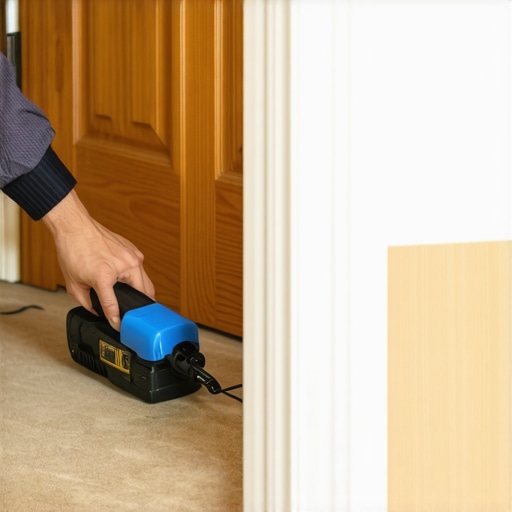
The temperature of your seaming iron is the difference between a permanent bond and a ghosted line. Most guys run their irons way too hot. They want to move fast. But if you overheat the seaming tape, you can actually melt the synthetic fibers of the carpet or cause the primary backing to distort. This distortion creates a physical ridge. When you have two different dye lots, that ridge acts like a prism, separating the light and highlighting the color mismatch. You should keep your iron at a steady three or four setting, which is usually around 250 degrees. Move slowly. Let the adhesive melt into the backing without scorching it. Use a seam roller with moderate pressure. Do not over-roll it or you will squeeze the adhesive out of the sides and create a hard spot that will attract dirt and turn black over time. This is the level of detail required. This is why I get the big jobs and the discount guys get the lawsuits. You have to respect the chemistry of the material. If you treat it like a cheap rug, it will look like a cheap rug. If you treat it like a structural component, it will perform for twenty years.