How the Hot Iron Trick Saves Visible Carpet Seams
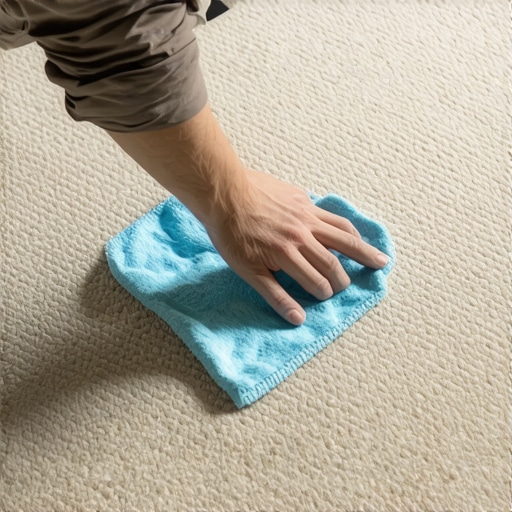
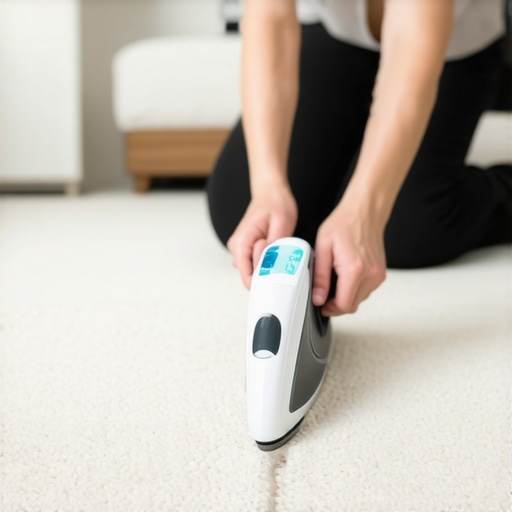
I spent thirty years looking at floors from a four inch perspective. Most guys think a carpet is just a blanket for your plywood. It is not. It is a tensioned system. I remember a job in a penthouse where the sun hit the living room at exactly 4 PM and every single seam looked like a scar. The client was ready to rip out ten thousand dollars of high end wool. I did not panic. I grabbed my Seam Master and a damp white cotton towel. By using the moisture to create a localized steam chamber, I reactivated the thermoplastic resin without scorching the delicate fibers. This is the difference between a floor that lasts and one that fails before the furniture is moved in.
The physics of thermal resin bonding
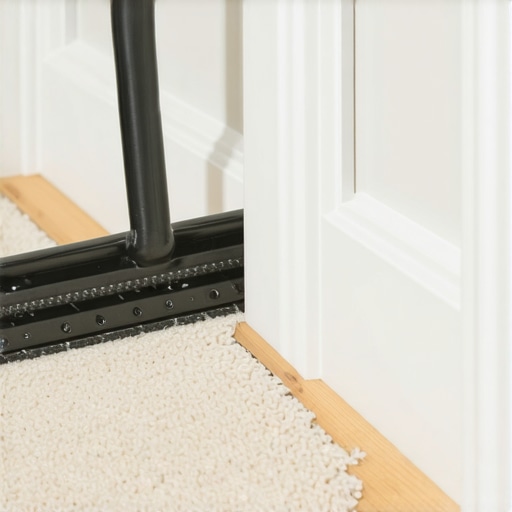
Carpet seam tape relies on a specialized thermoplastic adhesive that requires a specific temperature range to reach a liquid state. When the iron passes over the tape, the resin must migrate into the primary backing of both carpet pieces. This creates a mechanical bond that resists the tension of the power stretcher. If the heat is too low, the bond is superficial. If it is too high, you risk destroying the integrity of the synthetic primary backing. A master installer knows that the melting point of the adhesive is usually around 350 degrees Fahrenheit, but the ambient temperature of the subfloor can act as a heat sink, pulling energy away from the bond before it can set properly.
“A floor is only as good as the subfloor beneath it; deflection is the enemy of every joint.” – Master Flooring Axiom
The ghost in the expansion gap
Visible seams often have nothing to do with the carpet itself and everything to do with the subfloor leveling process. If the plywood or concrete beneath the pad has a dip greater than 3/16 of an inch over a ten foot span, the carpet will bridge that gap. This creates a hollow space where the seam is unsupported. When someone walks over it, the seam flexes, causing the light to catch the edges of the backing. This is why floor leveling is not an optional step for a high end carpet install. I spent three days grinding concrete on a job last month just so the floor would not click like a castanet and the carpet seams would lie perfectly flat. You cannot hide a bad foundation with a thick pad. The structural reality of the slab will always telegraph through the finish material.
The danger of excessive underlayment cushion
While most people want the thickest underlayment possible for comfort, too much cushion actually causes the locking mechanisms on laminate to snap and carpet seams to pull apart. In a carpet installation, an overly soft pad allows the carpet to dip too far under foot traffic. This vertical movement puts immense shear stress on the heat bonded seam. Eventually, the thermoplastic adhesive fatigues and cracks. This is similar to why you do not put a heavy kitchen island on top of a floating floor. You lock the material in place and prevent the natural expansion and contraction required by the environment. A high density pad with a lower profile is almost always superior for seam longevity than a thick, airy foam that feels like walking on a marshmallow.
| Fiber Type | Melting Point (F) | Recommended Iron Setting | Resiliency Rating |
|---|---|---|---|
| Nylon | 450 | 4 | High |
| Polyester | 480 | 3.5 | Medium |
| Olefin | 320 | 2 | Low |
| Wool | Char Only | 3 with Steam | High |
The hot iron trick for stubborn peak reduction
The hot iron trick involves using a damp cloth and a standard seam iron to relax the tension in peaked seams. When a seam peaks, it forms a small mountain range across the room. This happens because the carpet was stretched too hard or the tape was not weighted down properly during the cooling phase. By placing a damp towel over the peak and running the iron over it, you create a steam effect that softens the adhesive and the secondary backing. You then use a seam roller or a heavy weight to flatten the area as it re-cools. This requires a delicate touch. If you leave the iron too long, you will cause fiber distortion or permanent pile reversal. It is a game of seconds and sensory feedback. You listen for the hiss and feel the resistance of the carpet backing.
- Check subfloor moisture levels before bringing carpet into the building.
- Ensure the iron is calibrated to the specific melting point of the tape resin.
- Use a star roller to blend the fibers immediately after the iron passes.
- Apply a seam sealer to every cut edge to prevent fraying and fiber loss.
- Weight the seam for at least thirty seconds with a non-porous tool.
Why your subfloor is lying to you
A subfloor that looks flat to the naked eye is often a series of ridges and valleys that will ruin a laminate or carpet installation. Professional installers use a straight edge to find these discrepancies. In wet areas like showers, the slope is intentional for drainage, but in a living room, any deviation is a liability. For laminate, a dip causes the boards to bounce, which eventually breaks the tongue and groove system. For carpet, it creates the visible seams that homeowners hate. Addressing these issues with a self leveling compound is the only way to ensure the chemistry of the adhesives and the physics of the installation work in harmony. You cannot skip the prep work and expect the finish to look professional.
“Thermoplastic adhesion requires precise thermal management to prevent fiber degradation.” – Carpet Installation Standard
The 1/8 inch that ruins everything
Precision in flooring is measured in fractions of an inch that determine the success of the entire project. If a seam is off by just 1/8 of an inch, the pattern will not match and the gap will be impossible to close with a tractor. This is especially true in patterned commercial carpets where the geometry must be perfect. The hot iron trick can help slightly adjust the tension, but it cannot fix a bad cut. The molecular bond of the adhesive is strong, but it is not magic. You must have clean, straight edges and a perfectly level base. Whether you are working with laminate, tile in showers, or luxury carpet, the rules of structural engineering apply. The floor is a performance surface that must withstand thousands of pounds of pressure over its lifetime. Treat it like the machine it is, and it will serve you well for decades.