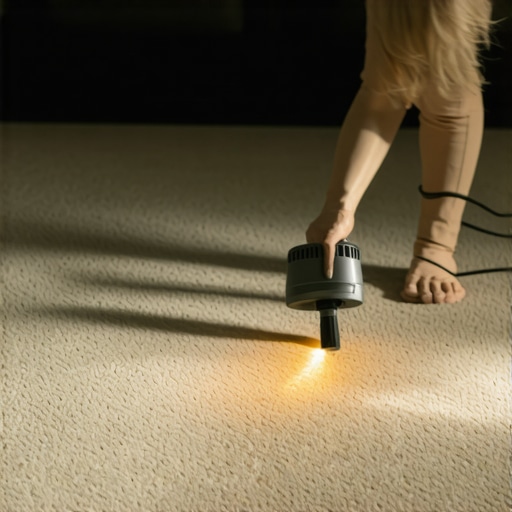
The Hairdryer Trick for Removing Dents from Carpet
I have spent twenty five years on my knees with a moisture meter and a level. I have seen every flooring mistake in the book. Most guys skip the leveling compound. They think the underlayment will hide the dip. It won’t. I spent three days grinding concrete on a job last month just so the floor wouldn’t click like a castanet. That same level of precision applies to carpet. People think a dent from a heavy sofa is a permanent scar on their home. It is not. It is a structural deformation of the fiber that can be reversed with the right application of thermal energy. Understanding the molecular response of nylon and polyester to heat is the difference between a ruined floor and a pristine surface. When you move a heavy oak wardrobe and see those deep pits, you are looking at crushed polymers. The hairdryer trick is not just a home remedy. It is a targeted thermal manipulation of the carpet’s physical memory. I am going to walk you through the physics of how this works and why your subfloor density plays a larger role in these dents than the carpet itself.
The science of fiber resilience and thermal recovery
Carpet fiber memory is the ability of a synthetic or natural material to return to its original shape after being compressed. This process relies on hydrogen bonds within the polymer chains of materials like nylon 6,6 or polyester. Applying controlled heat from a hairdryer softens these bonds, allowing the fibers to stand upright again.
When a heavy object sits on a carpet for five years, the weight displaces the air between the fibers and crushes the crimp. The crimp is the zigzag shape of the fiber that gives carpet its loft. In my experience, nylon is the king of resilience. It has a high elastic recovery rate. Polyester is cheaper but it lacks the same backbone. If you are dealing with a dent in an olefin carpet, you have to be careful. Olefin has a lower melting point than nylon. If you get too aggressive with the heat, you will fuse the fibers into a plastic puck. This is why professional carpet install specialists emphasize the quality of the yarn. A cheap builder grade carpet will never recover as well as a high ounce weight nylon. The physics are simple. You are using the hairdryer to introduce kinetic energy to the molecules. This energy breaks the temporary bonds formed in the crushed state and allows the fiber to return to its manufactured orientation. You are essentially rebooting the physical state of the flooring.
How to execute the hairdryer method without melting your floor
Removing carpet dents with heat requires a standard hairdryer, a spray bottle of distilled water, and a stiff carpet rake or a common fork. First, you must dampen the fibers to provide a buffer against the heat. Then, use the high heat setting while maintaining a distance of four to six inches to avoid singeing the pile.
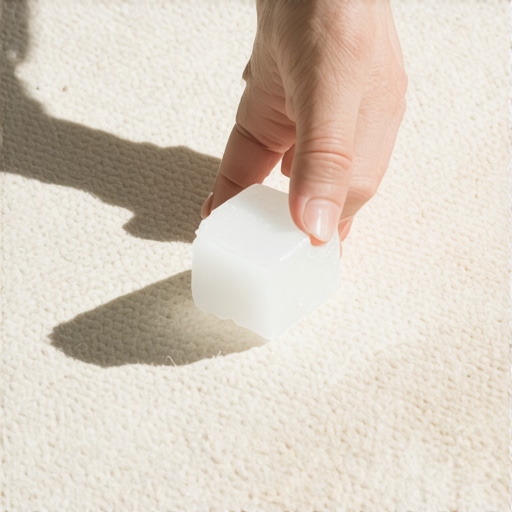
You start by misting the dent. Do not soak it. You are not trying to create a puddle that will seep into the padding and cause mold issues in your subfloor. You just want the fibers damp. Set your hairdryer to the highest heat but keep it moving. Never let the nozzle sit over one spot for more than three seconds. I have seen homeowners burn a black hole into a three thousand dollar rug because they got distracted. As you apply the heat, use a fork or a professional grooming tool to gently lift the fibers. You are teasing the yarn back into a vertical position. This is a mechanical and thermal coordination. If the dent is particularly stubborn, you may need to repeat the process three times. The water turns to steam, which penetrates the core of the yarn more effectively than dry air. This is the same principle we use when we steam a site finished hardwood floor to pull out a hammer mark. It is all about moisture and heat expanding the compressed cells of the material.
“A floor is only as good as the subfloor beneath it; deflection is the enemy of every joint.” – Master Flooring Axiom
The critical role of padding density and subfloor integrity
Subfloor leveling and the density of your carpet padding determine how deep a dent will become and how easily it can be removed. A high density 8 pound pad provides a firm foundation that resists bottoming out, whereas cheap foam padding allows furniture legs to sink directly into the subfloor structure.
If your floor leveling was done poorly, you will have dips where the furniture sits unevenly. This puts more pressure on one specific leg, creating a deeper pit. When I am doing a carpet install, I always tell clients that the pad is more important than the carpet. A cheap carpet on a great pad will last longer than a great carpet on a cheap pad. If you have a concrete subfloor that is unlevel, the carpet will bridge the gap, and every time you step on it, you are stressing the backing. This leads to delamination. In a showers adjacent bedroom, the humidity can also play a factor. High moisture levels in the air can weaken the secondary backing of the carpet, making dents more permanent because the latex adhesive softens. You need to keep your home’s relative humidity between thirty and fifty percent to keep the flooring stable. This is the same rule we follow for laminate and hardwood. The environment dictates the floor’s performance.
Comparing carpet fiber resilience
| Fiber Type | Melting Point | Resilience Rating | Moisture Resistance |
|---|---|---|---|
| Nylon 6,6 | 490 Degrees F | High | Excellent | Polyester (PET) | 480 Degrees F | Moderate | High | Olefin (PP) | 320 Degrees F | Low | Superior | Wool | Does not melt | Extreme | Moderate |
The tool kit for professional floor restoration
Professional carpet grooming involves more than just a hairdryer. To achieve a factory finish, you need a carpet rake, a steam extractor, and a moisture barrier check. These tools ensure that you are lifting the pile from the base rather than just frizzing the tips of the yarn.
- High wattage hairdryer with a concentrated nozzle attachment
- Fine mist spray bottle with distilled water to prevent mineral buildup
- Professional carpet rake or a stiff nylon brush
- Heavy duty steam iron for deep, set-in compressions
- Moisture meter to ensure the subfloor is dry after treatment
If the hairdryer doesn’t work, you move to the iron method. You lay a damp white towel over the dent and press a steam iron onto the towel for ten seconds. The towel prevents the iron from touching the synthetic fibers directly. This creates a massive burst of steam that can penetrate even the densest commercial grade carpet. I have used this on laminate transitions where a heavy piece of furniture left a mark on the surrounding carpet. It works nearly every time unless the fibers are actually broken. Broken fibers happen when the furniture is dragged rather than lifted. No amount of heat can fix a torn polymer chain. At that point, you are looking at a patch job, which is a whole different level of surgery.
“True floor quality is measured at the molecular level, where the bond of the adhesive meets the strength of the fiber.” – Technical Standards for Surface Integrity
Why your subfloor is lying to you
Subfloor telegraphing occurs when imperfections in the base layer show through the finished flooring. While carpet is more forgiving than laminate, a large dip in the plywood or concrete will cause the carpet to sag, making furniture dents look significantly deeper than they actually are.
I have walked into jobs where the homeowner complained about carpet quality, but the real villain was a sagging joist. If your subfloor has a 3/16 inch deflection over ten feet, your carpet will never sit flat. This is especially common in areas near showers where water damage might have softened the subfloor over time. Before you blame the carpet for not springing back, check the level. If the floor is dipping, the carpet is just following the contour of a failing structure. When we talk about floor leveling, we are talking about creating a monolithic plane. This is why I use self leveling underlayment on almost every job. It creates a surface as smooth as glass. On a smooth surface, a carpet dent is just a fiber issue. On a bad subfloor, a dent is a structural symptom. You have to know the difference before you start blasting it with a hairdryer.
The 1/8 inch that ruins everything
Expansion gaps and perimeter tension are vital for carpet stability. If a carpet is not stretched properly during the carpet install, the fibers will not have the necessary tension to spring back after a heavy load is removed, leading to permanent ripples and deep, unrecoverable dents.
Think of a carpet like a drumhead. If it is loose, it just sits there and takes the hit. If it is tight, it has kinetic energy. A properly stretched carpet uses the tack strips to maintain a state of tension that helps the fibers stay vertical. Most DIY installs fail because they don’t use a power stretcher. They use a knee kicker which only gets the carpet about half as tight as it needs to be. When the carpet is loose, the furniture pushes the backing into the pad, and the backing stays deformed. Then you get those waves. You can hairdryer those waves until the power bill triples and it won’t do a thing. You have to pull the carpet back, re-stretch it, and then treat the fibers. It is a holistic system. The fiber, the backing, the pad, and the subfloor must all work together.
The hairdryer trick is a perfect example of how small scale physics impacts home maintenance. By understanding the thermal properties of your flooring, you can extend its life by a decade. Just remember that heat is a tool, not a toy. Use it with respect for the material’s melting point and always keep the subfloor’s health in mind. If you take care of the structural reality beneath the surface, the aesthetic reality on top will take care of itself.