How to Clean Pet Urine Out of Carpet Without Damaging the Pad
I once walked into a house where a master bedroom carpet looked pristine on the surface but smelled like a local zoo during a heatwave. The homeowner had spent hundreds on retail spray cleaners, but when I pulled back the corner of that carpet, the OSB subfloor was black with rot. The liquid had traveled through the fiber, bypassed the primary backing, and turned the rebond pad into a permanent, wet reservoir. This is the reality of residential flooring. If you do not treat the moisture at the structural level, you are just masking a biohazard.
The gravity problem in your living room
Cleaning pet urine from carpet requires a structural understanding of liquid migration and fiber permeability to prevent subfloor saturation. Effective removal involves neutralizing uric acid crystals through enzymatic digestion before the liquid reaches the polyurethane padding. If the liquid penetrates the latex backing of the carpet, the risk of delamination and subfloor mold increases significantly. You must act within the first golden hour to stand a chance of saving the underlayment.
The microscopic anatomy of a pet accident
When liquid hits the floor, it does not just sit there. Carpet is a vertical forest of fibers, usually nylon or polyester, anchored into a grid. Gravity pulls the urine down the shaft of the fiber. It hits the primary backing, which is often a woven material. From there, it seeks the path of least resistance. If your carpet has a standard latex secondary backing, the urine will seep through the needle holes and soak into the pad. Rebond padding is essentially a sponge made of recycled foam bits. Once it is wet, it stays wet. The urea in the urine begins to break down into ammonia through a process called off-gassing. This is why a stain smells worse three days later than it did in the first five minutes.
Chemical bonds and enzyme catalysts
You cannot kill an organic problem with a soap based solution. Soap leaves a residue that actually attracts dirt, making your clean spot look like a dark smudge within a week. You need biological warfare. Enzyme cleaners work by breaking the molecular chains of the proteins and lipids found in pet waste. These enzymes are living catalysts. They eat the urea and the uric acid. This is not a fast process. It requires dwell time. If you spray and immediately wipe, you have done nothing but wet the surface. You need to saturate the area to the same depth that the urine reached.
“The padding is the lungs of the carpet system; once it breathes in bacteria, the exhale is permanent odor.” – Master Flooring Axiom
The 1/8 inch of foam that holds a gallon of trouble
Most homeowners do not realize that the density of their padding dictates how a liquid behaves. A high density 8 pound rebond pad will resist penetration longer than a cheap 4 pound builder grade foam. However, once that liquid is inside the foam cells, it is nearly impossible to extract without a professional subfloor extractor. This is why I advocate for moisture barrier padding. It is a specific type of underlayment with a film on top that prevents liquids from reaching the subfloor. If you do not have this, you are fighting a losing battle against gravity.
Equipment that actually moves the needle
Stop using paper towels. You need a wet vacuum with a specialized extraction tool. A shop vac is better than any hand towel because it creates a vertical lift. By placing the nozzle directly over the wet spot and applying downward pressure, you create a seal. This seal forces the liquid up out of the pad, back through the backing, and into the vacuum tank. It is a reverse of the original accident.
| Pad Type | Density | Moisture Resistance | Recovery Rate |
|---|---|---|---|
| Rebond Foam | 6-8 lbs | Low | Moderate |
| Frothed Foam | 10+ lbs | Moderate | High |
| Moisture Barrier | Variable | Very High | High |
| Synthetic Fiber | N/A | Low | Low |
The ghost in the expansion gap
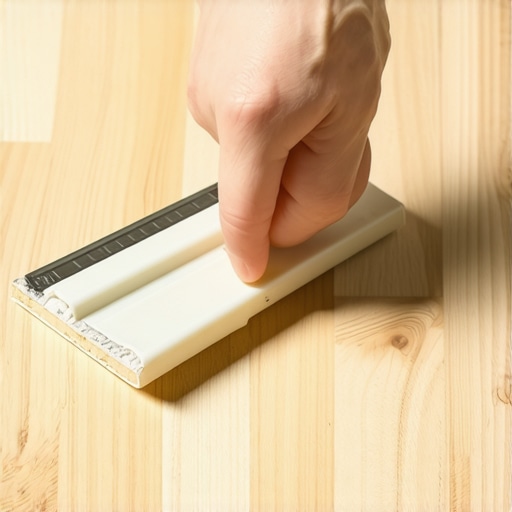
If the accident happens near a wall, the urine will follow the tack strip. Tack strips are made of plywood and sharp steel nails. They are highly absorbent. Once urine hits the tack strip, the wood swells and the nails begin to rust. This can bleed through the carpet as a rust stain that is permanent. Furthermore, the liquid can seep into the expansion gap between the subfloor and the baseboard. This is the hardest place to clean. You often have to remove the baseboard to reach the source of the smell. If you skip this, the odor will return every time the humidity in the room rises above fifty percent.
A step by step reclamation protocol
Follow this process to ensure the pad remains intact and the subfloor stays dry.
- Blot the area immediately with a clean white cotton towel using your full body weight.
- Apply a high quality enzymatic cleaner specifically designed for pet waste.
- Cover the area with plastic wrap to prevent the cleaner from evaporating too quickly.
- Allow the enzymes to dwell for at least four to six hours.
- Use a wet vacuum to extract all remaining moisture.
- Set up a high velocity floor fan to dry the area within twelve hours.
Why your subfloor is lying to you
Just because the carpet feels dry does not mean the job is done. Wood subfloors, especially Oriented Strand Board or OSB, are incredibly sensitive to moisture. OSB is made of wood chips glued together. When it gets wet, it swells and stays swollen. This creates a hump in your floor that you will feel under your feet. If you have a concrete slab, the urine can actually soak into the pores of the concrete. This is where the real nightmare begins. The salts in the urine stay trapped in the concrete. On humid days, those salts pull moisture from the air and reactivate the odor.
“A floor is only as good as the subfloor beneath it; deflection and contamination are the enemies of every joint.” – Master Flooring Axiom
The myth of the waterproof carpet
Manufacturers often market carpets as waterproof. This is a marketing term that requires careful reading. Usually, it means the fibers are hydrophobic, or the backing is a solid thermoplastic. While this helps, it does not account for the seams or the edges of the room. If a liquid hits a seam, it will find its way to the pad. Always treat your floor as a vulnerable system regardless of the marketing labels on the sample board.
The chemistry of the final rinse
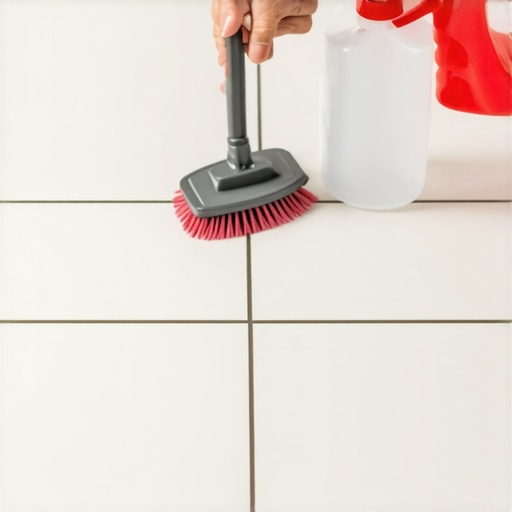
After the enzymes have done their work, a final rinse with a slightly acidic solution can help. A mixture of water and white vinegar can neutralize any remaining alkaline salts. This helps the fibers feel soft again and prevents the crunchy texture that often follows a home cleaning attempt. Do not over wet the area during this stage. Use a spray bottle rather than a bucket. You want to dampen the fibers, not flood the floor.
Protecting the structural integrity of your subfloor
If you have a recurring problem in one area, the only professional solution is to pull the carpet back. You need to inspect the pad. If the pad is stained, cut that section out and replace it. Do not try to wash the pad. It is a five dollar piece of foam that will cost you five thousand dollars in subfloor repairs if you leave it wet. Seal the subfloor with an odor blocking primer like KILZ or Zinsser before installing a new piece of padding and tacking the carpet back down. This is the only way to be 100 percent sure the odor is gone.