How to Fix a Scratch in Laminate Using a Wax Crayon
I spent three days grinding concrete on a job last month just so the floor wouldn’t click like a castanet underfoot. Most guys skip the leveling compound because they think the underlayment will hide the dip. It won’t. I have seen countless homeowners despair over a scratch in their brand new flooring, only to find out that the scratch occurred because the subfloor was uneven, causing the laminate planks to flex and rub against heavy furniture legs. A floor is a structural assembly, not just a pretty surface. When you see a white line across your dark oak laminate, you are looking at fractured melamine resin and aluminum oxide. This is a battle between structural physics and chemical repair.
The mechanics of a surface scar
Fixing a scratch in laminate with a wax crayon requires a clean surface and a color match that accounts for the grain variation in the photographic layer. You must identify if the scratch has penetrated the wear layer or if it has reached the HDF core. Surface repairs are most successful when the indentation is shallow enough to hold the wax without it being ejected by the natural expansion and contraction of the planks. The wax fills the void and mimics the light refraction of the surrounding melamine.
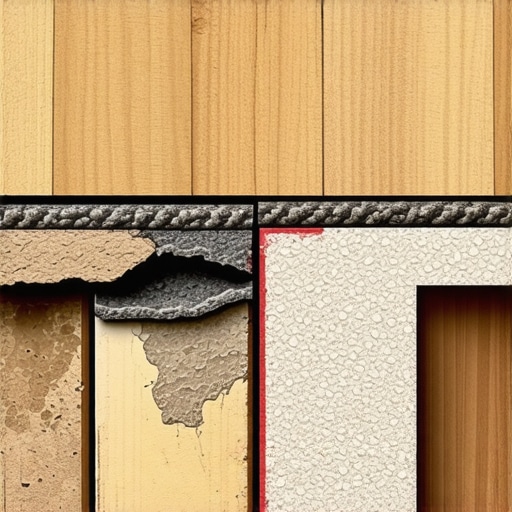
Laminate is a composite material built in layers. At the bottom, you have a balancing layer that keeps the plank straight. Then comes the High Density Fiberboard core, which is essentially wood flour and resin compressed under extreme pressure. Above that is the decorative paper, which is the high resolution image of wood or stone. Finally, you have the wear layer. This top coating is usually made of melamine resin infused with aluminum oxide crystals. It is incredibly hard, often reaching high ratings on the AC durability scale. However, when a sharp object like a dropped kitchen knife or a sliding metal chair leg hits the surface, it can shatter that crystalline structure. This creates a valley in the surface that reflects light differently than the rest of the floor, which is why the scratch looks white or silver.
“A floor is only as good as the subfloor beneath it; deflection is the enemy of every joint.” – Master Flooring Axiom
Why wax works on a molecular level
Wax crayons for flooring are formulated from hard paraffin or carnauba waxes that have a higher melting point than standard art supplies. These wax sticks are designed to be pressed into the fracture, where the friction of the application softens the material enough to bond with the jagged edges of the melamine resin. The wax acts as a non Newtonian fluid during application, filling the microscopic crevices before hardening into a solid plug that resists foot traffic and cleaning agents.
The chemistry of the wax is vital. If you use a cheap crayon, it will be too soft. When you mop the floor, the heat and moisture will pull the wax right out of the scratch. Professional grade wax sticks are designed to be durable. They are also highly pigmented. Because laminate has a lot of color variation, you often need to blend two or more sticks. I usually tell my clients to buy a light oak and a dark walnut stick to mix together for those mid tone honey colors. You are not just coloring a line, you are performing a microscopic inlay. If the scratch is deep enough to show the brown HDF core, the wax also serves a structural purpose by sealing the core against moisture. If water gets into that core, the wood fibers will swell like a sponge and the entire plank is ruined.
The subfloor lie that leads to scratches
Floor leveling is the most ignored step in any laminate installation, yet it is the primary cause of surface damage and joint failure. If your subfloor has a dip, the laminate plank will bridge that gap like a tiny trampoline. Every time you walk on it, the plank deflects. This movement creates friction between the floor and your furniture, leading to deep gouges that a simple wax crayon cannot fully hide without constant maintenance.
I have walked into many homes where the owner wanted to transition from a carpet install to laminate. They assume the subfloor is fine because the carpet felt soft. But carpet is a master of disguise. It hides humps and valleys that will destroy a click lock laminate floor in months. When you are prepping for a floor repair, check the stability of the surrounding area. If the floor moves when you step near the scratch, your repair will fail. The movement will eventually pop the wax filler out of the hole. This is why professional installers obsess over the TCNA and NWFA standards for flatness. You need the floor to be flat within 3/16 of an inch over a 10 foot radius. If it is not, you are just putting a band aid on a broken leg.
| Damage Type | Visual Depth | Recommended Fix |
|---|---|---|
| Surface haze | Less than 1 mil | Buffing with microfiber |
| Hairline scratch | 1 to 3 mils | Hard Wax Crayon |
| Deep gouge | 4 or more mils | Two part wood filler or plank replacement |
| Edge chipping | Variable | Acrylic filler or color matched caulk |
Technical steps for wax application
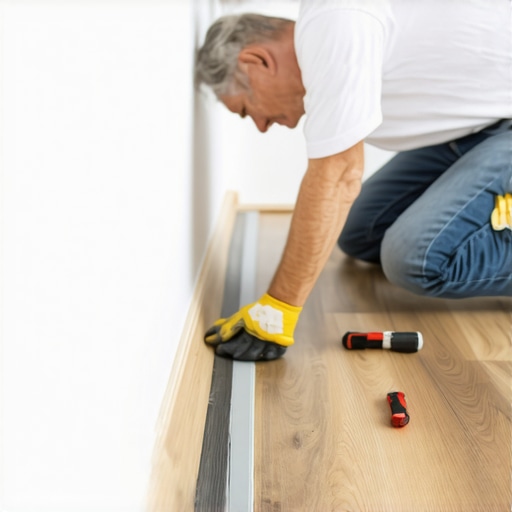
Successful laminate repair depends on the temperature of the wax and the cleanliness of the scratch cavity to ensure long term adhesion. You must remove all dust and factory oils from the site before attempting to fill the void. Using a specialized floor cleaner or a light touch of denatured alcohol will prep the melamine surface. Once clean, the wax should be applied in layers, built up slightly higher than the floor surface, and then leveled off with a plastic scraper to avoid scratching the surrounding finish.
- Clean the scratch with a soft brush and a vacuum to remove any loose HDF fibers or melamine shards.
- Select a wax crayon that is one shade darker than the lightest color in the wood grain.
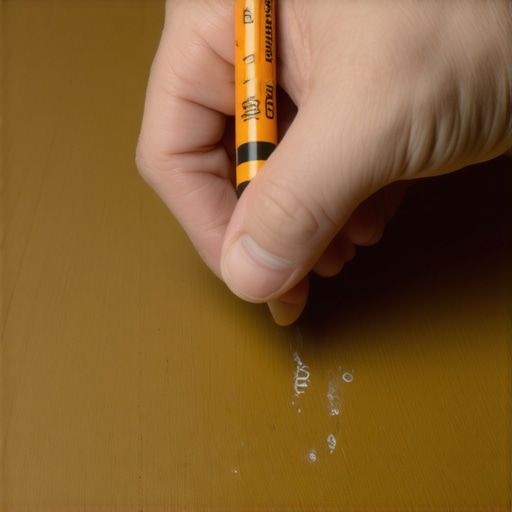
- Rub the crayon across the scratch, perpendicular to the direction of the gouge, to force material into the bottom.
- Use a plastic putty knife or the edge of a credit card to scrape away the excess wax.
- Buff the area with a lint free cloth to match the sheen of the surrounding wear layer.
One contrarian point to consider is that while most people want the thickest underlayment for comfort, too much cushion actually causes the locking mechanisms on laminate to snap under pressure. This same excessive vertical movement is what causes many scratches in the first place. If the floor is too bouncy, the wax repair will be short lived. You want a high density underlayment that provides support rather than just fluff.
The danger of moisture near showers and kitchens
Laminate is essentially a high density paper product and should never be installed in high moisture areas like showers or laundry rooms. Even the most expensive waterproof laminate relies on the integrity of the surface seal and the tightness of the click joints. If a scratch occurs near a water source, the repair becomes an emergency. A deep scratch allows water to bypass the protective melamine layer and enter the core, leading to irreversible swelling and mold growth.
When I am called to look at a floor that is buckling, I usually find that the homeowner tried to install laminate right up to the edge of a shower stall. The steam and the occasional puddle sit on the surface and find their way into the expansion gaps. If you have a scratch in this environment, a wax crayon is your only defense against total floor failure. The wax creates a hydrophobic barrier. It is not a permanent solution for a wet room, but it will buy you time. If the damage is too extensive, you might have to look into a complete carpet install or a proper tile job following TCNA guidelines to ensure a waterproof substrate. Laminate is for dry living spaces, not for the splash zone of a bathtub.
“Proper maintenance of the wear layer prevents structural degradation of the HDF core.” – Laminate Performance Standard
The physics of the expansion gap
Every laminate floor is a floating system that requires an expansion gap at the perimeter to prevent the planks from peaking and scratching. The floor is constantly moving based on the relative humidity in the room. In the summer, the HDF core absorbs moisture and expands. In the winter, it shrinks. If you have installed your laminate too tight against the walls, the floor will lift in the center. This creates a high point that is prone to catching on furniture legs and developing the very scratches you are trying to fix.
Fixing a scratch is a technical task that requires patience. If you rush the process or use the wrong materials, the repair will stand out more than the original damage. Take your time to match the color. Understand that the light in your room changes throughout the day, and a repair that looks invisible at noon might show up under your evening lamps. Precision is the difference between a hack job and a professional restoration. Always keep a few extra planks from your original install in a climate controlled closet. If the wax crayon cannot hide the damage, you will be thankful you have a replacement plank ready to go. Just remember that replacing a plank in a click lock system requires you to disassemble the floor from the nearest wall, which is a lot more work than a five minute wax repair.