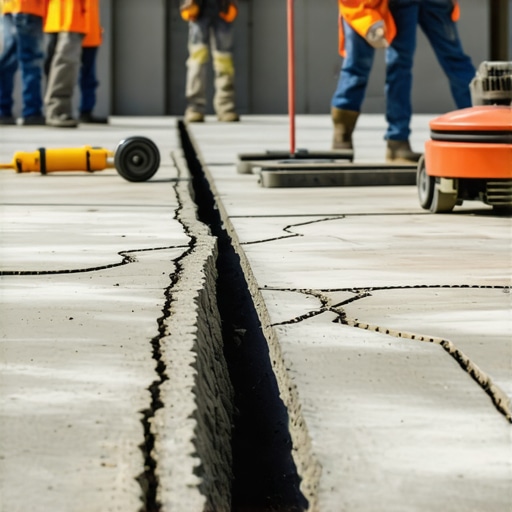
It was a morning like any other when I stepped onto my new laminate floor, only to hear that dreaded creak—louder than a squeaky wheel. I had followed all the so-called expert advice, yet a crack had suddenly appeared in my 2026 floor leveler. That lightbulb moment made me realize that even the smallest oversight during prep can lead to costly repairs down the line. And believe me, I learned this the hard way.
Many homeowners and DIY enthusiasts don’t realize that the root of most floor cracking issues often lies in overlooked prep mistakes. It’s frustrating to invest time and money into perfect flooring only to see cracks emerge within months. But here’s the good news: with a few simple adjustments during your prep phase, you can save yourself from this headache.
Today, I want to share the top three prep mistakes that can cause your 2026 floor leveler to crack. We’ll explore what went wrong in my experience, why these mistakes are so damaging, and how you can avoid them altogether. Trust me, consistency in your prep can be the difference between a floor that lasts decades and one that needs replacing after just a few years.
Have you ever faced issues with cracking or uneven flooring that seemed to appear out of nowhere? If so, you’re not alone. Many homeowners overlook these critical steps, only to regret it later when cracks start to show. And if you’re considering a bathroom remodel or a new installation—especially in wet areas like showers—understanding these pitfalls is crucial. For instance, errors in waterproofing strategies are a common culprit behind bathroom floor cracks and leaks. You can find helpful tips on avoiding these issues at [this guide on waterproofing mistakes](https://floorcraftstore.com/stop-shower-leaks-3-modern-waterproofing-mistakes-to-avoid).
In the next sections, I’ll walk you through these common mistakes step by step and reveal how you can master your prep work for a flawless, durable finish. Because in the end, prevention is always better—and cheaper—than repair.
Prep the Subfloor Correctly
Start with a thorough inspection of your concrete or wood subfloor. Use a level to find any dips or high spots. If you notice unevenness, mark these areas to address. For example, I once skipped this step in my basement, assuming a smooth surface. Weeks later, cracks appeared in my laminate, and I had to remove and redo the prep. Fix these issues by applying a suitable self-leveling compound (see how to level a wavy subfloor)—it’s like pouring pancake batter into bumps to create a flat surface.
Remove All Debris and Moisture
Clear the entire area from dust, dirt, and any residual moisture. I recall rushing through this in a small bathroom renovation and ending up with moisture trapped under the laminate, which led to swelling. Use a shop vac and a moisture meter (check moisture levels here) to ensure the surface is dry. Think of it like building a house on solid ground, not on quicksand.
Properly Prepare the Surface
Consider the composition of your subfloor. If it’s plywood, eliminate any loose or damaged sections. Secure the panels with proper screws, ensuring they sit flush. For concrete, patch cracks and seal imperfections. For instance, I learned to use a patching compound like a pro after my initial patch failed, causing unevenness and crack propagation. Check out plywood prep tips. Think of it as smoothing out wrinkles before ironing a shirt—prevents long-term damage.
Apply a Primer or Moisture Barrier
To prevent moisture migration and enhance adhesion, lay down a quality primer or vapor barrier (see waterproofing tips). I once skipped this step and faced bubbling under my laminate. It’s like applying a foundation before painting—protects everything above. Use a roller and allow it to dry thoroughly before proceeding.
Ensure Proper Acclimation of Materials
Allow the laminate planks to acclimate in the room environment for at least 48 hours. During this time, keep the area at a stable temperature and humidity. I learned this the hard way when planks expanded after installation due to high humidity, causing buckling. Think of it like letting dough rest before baking—adjusts to the environment so it doesn’t react badly later. This step is critical, especially in changing climates.
Plan the Layout and Expansion Gaps
Decide your starting point and how the planks will lay out across the room. Leave a ¼-inch expansion gap around the perimeter to account for movement (learn about expansion gaps). Mark your starting line with a straightedge or chalk. I failed to plan this in a previous project, resulting in uneven edges. Think of it as leaving enough room for a door to swing—it helps everything fit perfectly later on.
Use Proper Tools and Techniques for Installation
Equip yourself with a tapping block, spacers, and a rubber mallet. When I installed my first laminate, I used a hammer directly, which cracked some planks. Using a tapping block evenly distributes force, preventing damage. Also, maintain consistent click-tight connections (refer to fixing peaking), ensuring your floor remains flat and free of gaps. This is akin to puzzle assembly—each piece must fit snugly without forcing.
Inspect and Adjust Before Finalizing
Once installed, go over the entire floor, checking for loose planks or gaps. Press down gently on sections to ensure tight connections. If you notice any movement, tighten or re-click. I remember discovering a small section that shifted post-installation, which I fixed with a re-tightening technique, avoiding future cracks. It’s like giving your work a final quality check—better safe than sorry.
Many DIY enthusiasts and homeowners believe they understand the basics of proper installation for flooring, showers, and carpets, but the reality is more nuanced. One prevalent myth is that ‘if it looks level from the surface, it’s properly prepared.’ In truth, subfloor imperfections invisible to the naked eye can cause long-term problems like cracking or buckling. Advanced issues often stem from not testing subfloor moisture levels with a reliable meter, as high moisture content can weaken adhesives and cause delamination. Relying solely on visual inspection is a common mistake, and ignoring this step can lead to costly repairs later. Moreover, many assume that standard waterproofing membranes are foolproof, but poorly applied or insufficient sealing, especially around shower niches or entrances, can allow leaks that rot substructures over time. According to industry experts, such as those cited in flooring industry case studies, meticulous waterproofing—using dedicated products and correct application techniques—is essential to prevent hidden damage. For example, incorrectly installed shower pans or neglecting to create proper drainage slopes often result in standing water and eventual mold growth. Advanced installers recommend testing drainage slopes with a level or a laser tool to ensure water flows correctly, reducing the risk of leaks and damage. When it comes to carpets, a common misconception is that ‘any padding will do,’ but inadequate padding thickness or density can lead to faster wear, rips, and unsightly seams. Using high-quality underlayments not only prolongs carpet life but also prevents rippling or buckling, especially in high-traffic areas. Additionally, many overlook the importance of seamless transitions at doorways; choosing incorrect or poorly installed seams can cause fraying and tripping hazards. Smart installation techniques involve proper seam tape and stretching tools, as highlighted in expert guides, which mitigate these issues significantly. So, let’s address one burning question: How can a small mistake in subfloor preparation cause cracking in laminate floors? The answer lies in understanding that even minor dips or uneven patches, if left uncorrected, translate into stress points for flexible flooring like laminate. Over time, these stress points can crack and deteriorate, especially when combined with environmental fluctuations. To avoid this, professional-level leveling compounds and thorough surface testing are indispensable—more details can be found in our article on [expert-floor leveling tips](https://floorcraftstore.com/expert-floor-leveling-laminate-flooring-for-durability). In summary, mastering the details—such as moisture testing, waterproofing, seamless seam installation, and precise leveling—can make all the difference between a durable, long-lasting finish and a costly redo. Have you ever fallen into this trap? Let me know in the comments.When it comes to ensuring that your flooring, showers, and carpets stand the test of time, having the right tools can make all the difference. I personally swear by precise and durable equipment that I’ve tested over years, which helps me achieve professional results even as a DIY enthusiast. Starting with subfloor leveling, I recommend investing in a high-quality laser level—specifically, I use the Bosch GLL 3-80. Its accuracy allows me to detect even minor dips or high spots, ensuring a perfectly flat surface before laying laminate or tile. This step is crucial because, as pointed out in our guide on [expert-floor leveling tips](https://floorcraftstore.com/expert-floor-leveling-laminate-flooring-for-durability), proper leveling prevents cracks and uneven wear later on.
What’s the Best Tool for Waterproofing and Leak Prevention?
A reliable moisture meter, like the Wagner MMC220, is indispensable whenever working on showers or bathroom floors. It helps me verify moisture levels in the subfloor and walls, preventing mold and decay. I’ve learned from experience that rushing this step leads to costly repairs down the line. An accurate moisture reading ensures I can confidently proceed with waterproofing. For waterproofing membranes, I prefer liquid-applied products like Redgard because they form flexible, seamlessly attached layers that adapt to movement—key in preventing leaks. For precise application, I use a 3/8-inch nap roller, which gives me an even coat without excess. You can see techniques for optimal waterproofing at [this guide on waterproofing mistakes](https://floorcraftstore.com/stop-shower-leaks-3-modern-waterproofing-mistakes-to-avoid).
How do I Avoid Cracks in Large Surface Areas?
When working with expansive surfaces like shower floors or large carpets, I rely on cutting-edge tools like a pneumatic carpet stretcher or a manual tile leveling system. For carpets, I use a power stretcher (such as the Roberts 10-85), which helps eliminate wrinkles and ripples, ensuring a smooth, long-lasting finish. For large showers, I use a laser-guided tile leveling system to maintain consistent grout lines and surface flatness. These tools save me hours of manual effort and reduce errors that can cause structural issues later. Foreseeing future trends, I expect these tools will become even more integrated with smart sensors and IoT technology, providing real-time feedback and adjustments during installation.
How do I Maintain My Installations Over Time?
Proper maintenance begins with routine inspections. Regularly checking for grout cracks, water tightness, and carpet seam integrity can catch issues early. Keep your shower’s waterproofing in top shape by resealing grout lines every 1-2 years, especially in high-use bathrooms. For laminated floors, I advise cleaning with manufacturer-approved products and avoiding excessive water or harsh chemicals that can weaken the planks. Internal sensors on some moisture meters now can alert you to rising humidity levels in your bathroom, preventing hidden mold growth. Stay ahead with these tools and practices to extend your flooring and shower’s lifespan. Remember, consistent upkeep is less costly than repairs, and investing in good tools can streamline this process and deliver superior results. For example, periodically testing your shower’s drainage slope with a simple level ensures water flows correctly, preventing standing water and deterioration—the key to a long-lasting installation. Visit [this article on expert shower solutions](https://floorcraftstore.com/expert-shower-solutions-bathroom-renovations-for-modern-homes) for advanced maintenance tips—try integrating a moisture meter into your routine today!
The Hidden Lessons That Changed My Approach to Flooring
One of the most surprising realizations was that perfect-looking surfaces can hide underlying flaws—like unseen dips in a subfloor or minor moisture pockets—that lead to cracks over time. My biggest lightbulb moment came when I discovered that meticulous surface testing, like using a reliable moisture meter, is not just a recommendation but a necessity for durability. It’s like checking your tires before a long trip—you prevent surprises down the road.
Another overlooked truth is that not all waterproofing methods are equal. I once skipped proper waterproofing around a shower niche, thinking the standard sealant was enough, only to face leaks months later. Now, I understand that dedicated membranes and correct application techniques are vital and that waterproofing is a continuous process, not a one-time step.
Finally, the smallest details, such as leaving proper expansion gaps and ensuring seamless seams, can make the difference between a flawless finish and costly repairs. My experience taught me that patience during layout planning and using the right tools—like a laser level or a power stretcher—is key to success. It’s these subtle yet crucial steps that uphold the integrity of your floors and showers over years.
Tools and Tips That Transformed My Projects
My go-to tool for ensuring a perfect subfloor is the Bosch GLL 3-80 laser level—it’s accurate and reliable, helping me spot every dip or bump before laying down laminate. For moisture testing, I rely on the Wagner MMC220 moisture meter; it’s helped me avoid major issues like mold or buckling. When waterproofing, I swear by liquid membrane products like Redgard due to their flexibility and ease of application, complemented by a high-quality roller for an even coat.
For large surface areas, using a pneumatic carpet stretcher or tile leveling system has saved me hours and prevented unevenness or buckling. These tools make it easier to achieve professional results, whether installing carpet seams or ensuring flat shower floors. Consistent use of such equipment, paired with thorough surface prep, has been my secret to durable, long-lasting results.
If you’re interested in expanding your toolkit, I recommend exploring guides on self-leveling techniques and curbless shower drainage fixes. These add-ons elevate your understanding and execution, helping you avoid common pitfalls and achieve a truly professional finish.
Embrace Your Enhancements — The Future Looks Bright
The journey to durable laminate, level floors, leak-proof showers, and smooth carpets is ongoing, but it’s one I encourage you to take. Every project is a new opportunity to learn, adapt, and improve your skills. Don’t let the fear of mistakes hold you back—by focusing on proper prep, the right tools, and attention to detail, you’re setting yourself up for success that lasts years, not months.
Remember, your home’s foundation matters just as much as its aesthetic appeal. Investing in quality materials and trustworthy techniques will reward you with peace of mind and savings on future repairs. Your improvement journey begins now—are you ready to see your floors, showers, and carpets stand the test of time?
Have You Faced a Flooring or Shower Challenge? Share Your Story Below!
Have you ever struggled with a hidden leak or unexpected cracking? What prep step did you overlook that made things worse? Let me know in the comments—your experience might just help someone else avoid the same pitfalls!
.
http://Sarah%20Mitchell
I completely relate to the frustration of cracks appearing after what seemed like a flawless installation. What really stood out to me was the emphasis on proper subfloor prep—something that’s often overlooked in DIY projects. I once skipped thorough moisture testing and ended up dealing with swelling and buckling a few months later. Since then, I always use a high-quality moisture meter before proceeding, especially in bathrooms or basements. It’s amazing how a small investment in the right tools can save so much trouble down the line. I’m curious, does anyone have recommendations for budget-friendly moisture meters that are still reliable for DIY use? Also, I’d love to hear if others have had success with self-leveling compounds in tricky areas—they can be a game changer for uneven subfloors. Overall, focusing on these prep steps really makes a difference in the longevity of flooring, and I think building a checklist before starting can help avoid costly mistakes.