![3 Self-Leveling Fixes for Wavy Concrete Subfloors [2026]](https://floorcraftstore.com/wp-content/uploads/2026/02/3-Self-Leveling-Fixes-for-Wavy-Concrete-Subfloors-2026.jpeg)
It was a typical Saturday morning when I stepped into my living room to find my new laminate flooring wobbling and creaking like a haunted house. Turns out, that uneven concrete subfloor beneath was the culprit. I had an urge to pull it apart and just redo everything, but I knew I needed a smarter solution. Have you ever faced a similar frustration, where your beautiful new flooring becomes a nightmare because of a bumpy, wavy subfloor? You’re not alone, and I promise, there’s hope.
How to Smooth Out Wavy Concrete Subfloors Without Destroying Your Home
Wavy concrete floors are a common headache, especially in older homes or after remodeling projects where moisture and settling have taken their toll. The good news? You don’t have to rip up your entire subfloor or pour a new slab to fix this. With the right self-leveling techniques, you can transform a lumpy, uneven surface into a perfect base for your flooring projects. Today, I’ll share three reliable, proven methods based on my personal experience and industry best practices.
Is Self-Leveling Concrete Really Worth the Effort?
Initially, I was skeptical—thinking, ‘Will this really work?’ I made the mistake of rushing into a DIY patch job without proper testing, which only worsened the problem. It turned out, the first step is to verify the subfloor’s condition through proper tests. I recommend performing simple subfloor leveling tests (check out https://floorcraftstore.com/3-subfloor-leveling-tests-to-save-your-2026-laminate-install) to determine the best course of action. Trust me, skipping this can lead to uneven results or worse, cracks down the line. Once you’re confident about the severity of your unevenness, selecting the appropriate fixing method becomes straightforward.
In the upcoming sections, I’ll walk you through three highly effective self-leveling fixes that work even in challenging scenarios. Whether your floor has dips, slopes, or multi-inch gaps, there’s a solution that can save you money and headaches. Ready? Let’s get your concrete flat and your floors standing strong.
Prepare Your Surface for a Flawless Finish
Start by thoroughly cleaning the subfloor to remove dust, debris, or grease. Use a broom and vacuum for dust, then wash with a damp cloth. Let it dry completely, as moisture will affect adhesion.
Assess the Unevenness
Perform the subfloor-leveling test by observing if water pooling or dips are present. Mark problem areas using chalk or painter’s tape. That way, you’ll know exactly where to focus your efforts, similar to pinpointing dips before a laminate flooring install.
Apply Self-Leveling Compound Effectively
Mix the self-leveling compound as per manufacturer’s instructions, ensuring a smooth, pourable consistency. For best results, use a drill with a paddle attachment and work in small batches to prevent setting before application. Pour the mixture over the prepared areas, starting from the highest point and pulling it into dips with a trowel. The goal is to create a flat, smooth surface—think of it as turning a bumpy road into a freshly paved highway.
Manage Air Bubbles for Longevity
To prevent air entrapment, gently vibrate the poured surface using a long handled trowel or a vibrator tool. This process releases trapped air pockets, which could cause future cracks or cracks. I once skipped this step and wound up with bubbles that cracked after a few months, so don’t skip it.
Let the Compound Cure Properly
Allow the leveling compound to cure undisturbed for the recommended time—usually 24 to 48 hours. Avoid walking on it or applying weight during this period; it’s akin to letting a fresh concrete slab set before placing the flooring over it. Ventilate the area if needed to speed up curing.
Finalize the Subfloor for Flooring
Once cured, check the surface with a straightedge or level to confirm flatness. Minor imperfections can be sanded smooth with a fine-grit sander. When satisfied, proceed with your laminate, carpet, or shower installation—each will benefit from this solid, even base, reducing squeaks, cracks, or leaks over time.
Many homeowners assume they know everything about installing laminate floors, leveling concrete, or renovating showers. However, several misconceptions persist that can lead to costly mistakes if not addressed properly. One widespread myth is that all self-leveling compounds are interchangeable. In reality, choosing the wrong type for your specific subfloor can result in cracks or uneven surfaces. It’s crucial to understand the nuances of product compatibility, which can be informed by expert sources like industry blogs or technical datasheets. For instance, I once used a generic self-leveler on a plywood subfloor and wound up with unexpected cracking, highlighting the importance of selecting the right product. Another common error is believing that shower waterproofing is a one-time task. Many underestimate the need for ongoing inspection and proper sealing, which if neglected, can lead to leaks and structural damage, as detailed in specialized guides. When installing carpet, people often think a simple stretch is sufficient, but overlooking tack strip placement and subfloor smoothness can cause seams to peel or wrinkles to appear over time. This is why precise subfloor leveling and correct tack strip positioning are critical—more advanced details that DIY enthusiasts often miss. How do these misconceptions arise? Often, because basic tutorials omit deeper insights or because industry myths get perpetuated through word-of-mouth advice. A little-known nuance is the differing moisture levels in concrete and wood subfloors, which require tailored approaches—taking a cue from research on moisture migration in building materials. For example, the real key to long-lasting renovations is understanding the specific environment and materials involved. This prevents initial mistakes that manifest months later, such as warped laminate planks or moldy shower corners. Want to avoid these pitfalls? Always consult detailed guides and expert opinions before starting your project. Remember, thorough preparation and knowledge of materials and methods make the difference between a successful upgrade and an expensive redo. Have you ever fallen into this trap? Let me know in the comments.
Keeping It Working: Essential Tools for Long-Term Success
Maintaining your renovated floors, showers, or carpets requires more than just initial investment; it demands the right tools to ensure longevity and easy upkeep. Personally, I rely on specialized equipment like high-quality moisture meters, which help me monitor environmental conditions that could compromise delicate installations like waterproofed showers or laminate flooring. A reliable moisture meter ensures you catch potential problems early, preventing costly repairs down the line. For instance, consistent moisture testing using a trusted instrument can help detect hidden leaks behind shower walls or in subflooring, as discussed in https://floorcraftstore.com/5-hidden-signs-your-shower-floor-is-rotting-2026-alert.
Why Choose a Digital Laser Level for Floor Maintenance
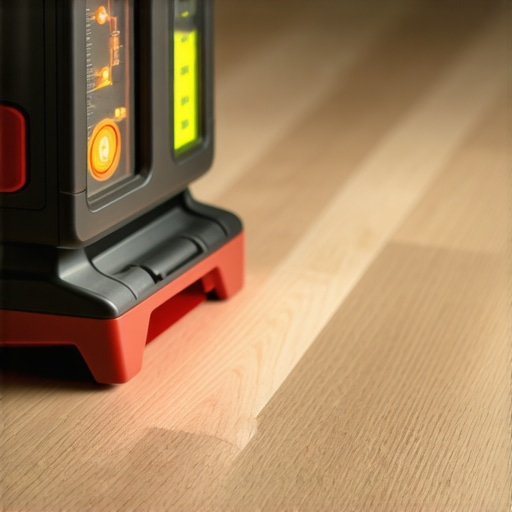
When it comes to long-term flooring success, precision tools are invaluable. I personally prefer a digital laser level because it provides pinpoint accuracy over traditional bubble levels, especially for checking large or complex surfaces. It ensures that your floors remain perfectly flat over time, reducing squeaks or cracks that develop due to uneven settling. This investment pays off multiple times, particularly when scaling projects or performing routine maintenance.
How Do I Maintain My Shower Waterproofing Over Time?
Ensuring your shower stays leak-free involves more than initial sealing; it requires ongoing inspections and the right tools. A siliconized grout saw helps you easily remove and replace worn joints, maintaining a watertight seal. Additionally, applying waterproofing sprays periodically, and using a handheld moisture meter to verify dryness behind tiles, extends the lifespan of your shower. Industry experts emphasize continuous monitoring—checking for signs of mold, damp walls, or grout deterioration—as part of regular maintenance routines. For detailed guidance, see https://floorcraftstore.com/5-shower-waterproofing-mistakes-to-avoid-in-2026-checklist. I recommend trying a waterproofing pen for small cracks as a simple, effective step to prevent leaks before they escalate.
The Future of Home Maintenance Tools
As technology advances, we can expect smarter, integrated solutions—think IoT-enabled sensors that monitor moisture and structural integrity in real-time, alerting homeowners to issues before problems become visible or costly. Already, some brands are developing apps compatible with these sensors, providing an evolving landscape where maintenance becomes more proactive than reactive. Embracing these innovations will keep your renovations performing well for decades and make scaling renovations more manageable.
The Hardest Lesson I Learned About laminate,floor leveling,showers,carpet install
One key realization I wish I knew earlier is that not all self-leveling compounds are created equal—choosing the wrong type can lead to cracks or uneven surfaces, wasting time and money. I also learned that thorough preparation, including proper cleaning and testing for moisture, is critical to success rather than relying on quick fixes. Additionally, I underestimated the importance of managing air bubbles during pouring; skipping gentle vibration resulted in cracks down the line. Lastly, I discovered that continuous monitoring with the right tools like moisture meters and laser levels can catch issues early, saving headaches later, as shown in expert recommendations on testing your subfloor.
My Essential Toolkit for Ensuring Flawless Installations
Over the years, I’ve come to trust specific tools that make the difference, such as high-quality moisture meters from trusted brands—these help me detect hidden leaks or moisture issues behind tiles or under floors, which could cause long-term damage. A digital laser level is another indispensable device, providing precise flatness measurements that prevent squeaks or cracks as your floors settle. For waterproofing, a reliable siliconized grout saw and waterproofing sprays help extend your shower’s lifespan and maintain a leak-free home, supported by insights from expert guides. Investing in these tools has transformed my approach from reactive repairs to proactive maintenance.
Keep Your Home Moving Forward with Confidence
Remember, tackling uneven floors and waterproofing issues isn’t just about fixing the present—it’s about safeguarding your home’s future. The right knowledge, combined with trusted tools, turns DIY projects from daunting tasks into achievable successes. If you’re hesitant or facing complex challenges, don’t shy away—reach out for expert advice or tap into industry resources. Your effort now ensures a durable, beautiful space that stands the test of time. Keep learning, stay curious, and take pride in every improvement—your home will thank you for it.