
I remember the day I finally finished a laminate flooring project, only to step back and realize the expansion gaps looked terrible—gaps that were either too wide, uneven, or worse, popped out within months. That lightbulb moment was frustrating but invaluable. It made me realize how sneaky mistakes in the expansion gap setup can ruin the entire look and longevity of your flooring. If you’re like me, you want your installation to last, look perfect, and avoid costly rework. Today, I want to share how avoiding common 4 laminate expansion gap mistakes can save you from headaches and expensive repairs.
Why Expansion Gaps Are the Unsung Heroes of Flooring
Expansion gaps might seem insignificant—just little space around your floor edges, right? Wrong. They play a critical role in allowing your laminate flooring to expand and contract with temperature and humidity changes. Without proper gaps, your flooring can buckle, wiggle, or develop unsightly separations. But here’s the kicker: many installers, even seasoned pros, make mistakes that jeopardize the entire project—mistakes I used to make myself.
Want a smooth, durable finish? Get comfortable with the fact that a well-planned expansion gap is your secret weapon. Skipping steps or rushing through this phase can lead to issues that become evident over just a few years, or even months. According to experts, neglecting proper expansion space is among the top reasons floors fail prematurely — and I’ve seen it firsthand. You can read more about these pitfalls in our detailed guide on laminate flooring installation tips.
But what exactly are these mistakes, and how can you dodge them? That’s where the real magic begins. Let me walk you through the most critical errors—and how common they are among DIYers and seasoned installers alike. Have you faced issues with expansion gaps before? If so, stay tuned. We’re about to make sure your 2026 install is flawless from the start.
Is It Really That Critical to Get the Gaps Right?
Initially, I thought small gaps would just disappear over time. I failed to recognize that ignoring specific measurements and environmental factors could cause gaps to enlarge or close improperly, causing uneven floors. Early on, I overlooked the importance of precise measurement techniques, leading to gaps that were either too tight or too loose. For more insights on avoiding this common oversight, check out floor leveling strategies.
Overcoming these pitfalls is essential, especially now as we prepare for the anticipated 2026 installations. The good news is that—armed with knowledge—you can prevent hits to your project’s durability and aesthetic appeal. Ready to dive into the top mistakes? Let’s ensure your installation isn’t ruined before it begins.
Measure and Mark Your Expansion Space
Start by assessing your room’s perimeter. Use a tape measure to determine the necessary expansion gap, typically around 1/4 inch (6mm). Mark this measurement along the wall using a pencil, ensuring consistent spacing. Remember, environmental factors like humidity can cause slight deviations, so it’s best to double-check your measurements before marking. For added accuracy, consider using a chalk line or a straightedge to draw a guideline around the room, guiding your installation process.
Prepare the Subfloor and Wall Edges
Before laying down the laminate, ensure the subfloor is level and clean. Uneven surfaces can lead to gaps that are wider in some areas. If you notice dips or bumps, address them with appropriate leveling compounds or grinding tools. Proper preparation prevents uneven gaps and reduces the risk of future buckling. For floors with significant unevenness, consult resources on floor leveling techniques.
Install the Underlayment Correctly
Lay your underlayment flush against the wall, extending to your marked line. Secure it according to the manufacturer’s instructions, ensuring it lies flat without wrinkles or overlaps at the edges. The underlayment acts as a moisture barrier and cushioning, which affects the appearance and longevity of your flooring. Proper underlayment installation ensures consistent expansion gaps and reduces squeaks or movement over time.
Lay the Laminate Planks Carefully
Begin installation from the starting wall, placing spacers between the planks and the wall to maintain your marked expansion gap. Use a tapping block and hammer to snugly fit each plank without forcing it. Connect planks securely, but avoid excessive force that can cause bowing or misalignment. Regularly verify your gap width with a spacer or a tape measure as you progress. My own experience taught me that taking time here prevents issues like unwanted gaps or buckling down the line.
Check and Adjust Gaps During Installation
Periodically measure your gaps, especially after every few rows, to ensure consistency. If you notice tighter or wider gaps, adjust by adding or removing spacers or repositioning planks slightly. Do not compress the spacers fully; leave some room for future expansion. This active monitoring prevents doorways from catching on planks and maintains a uniform look across the floor.
Finish with Accurate Gap Sealing
Once all planks are installed, remove the spacers and fit baseboards or molding over the expansion gaps, securing them tightly but without compressing the gap space. Avoid covering the gaps entirely, as this defeats their purpose. When sealing gaps, avoid overly tight caulking that could restrict expansion. If gaps are slightly uneven after installation, consider using gap reducers or transition strips to smooth out imperfections, ensuring a clean and professional finish.
When tackling home improvements like laminate flooring, floor leveling, shower installations, or carpeting, many assume they have the basics down. However, even seasoned DIYers and professionals often overlook subtle details that can lead to costly mistakes or compromised durability. Let’s explore some lesser-known truths and myths behind these projects, so you can elevate your craftsmanship beyond the common pitfalls.
A widespread misconception is that perfect flatness isn’t critical for laminate flooring. Many believe minor dips or bumps won’t affect the long-term quality. But in reality, small imperfections can cause click-lock systems to loosen, leading to gaps or squeaks over time. Proper subfloor preparation, including detailed assessment and corrections, is essential. For complex dips, comprehensive solutions like self-leveling compounds can make a significant difference—learn more about fixing 2026-floor-leveling dips here.
Jumping to shower installations, there’s a myth that waterproofing isn’t urgent if the shower appears sealed. In fact, hidden leaks behind the wall are why many showers rot from the inside out. Common mistake: neglecting the identification of hidden leak zones. Remember, waterproofing isn’t just a routine step; it’s a critical barrier. Incorporate expert techniques to avoid water damage and mold—see our comprehensive guide on shower waterproofing.
When it comes to carpeting, a frequently overlooked detail is the importance of proper seam placement and stretching. Some believe that carpets with minimal seams last longer or look better. But improper installation, like not stretching firmly or failing to align patterns, can cause seams to fray, wrinkle, or wear unevenly, reducing the lifespan significantly. To achieve a seamless, durable finish, learn the top carpet installation mistakes to avoid.
Are you aware of the advanced testing techniques for assuring a subfloor’s readiness? For example, a simple step is the bounce test: when you walk across your prepping surface, excessive bounce indicates instability. Over time, weak or uneven subfloors can lead to squeaks or premature wear, especially under heavy foot traffic. For precise assessments, consider professional tests like IIC (Impact Insulation Class) ratings, often used in commercial settings, which can be adapted for residential projects. Discover more about floor leveling tests that ensure a solid foundation.
Don’t let common misconceptions undermine your project. Recognizing the hidden nuances—be it the importance of meticulous subfloor prep, thorough waterproofing, or correct seam placement—can dramatically extend the life and look of your renovations. Remember, the devil is in the details, and a well-informed approach is your best defense against future headaches. Have you ever fallen into this trap? Let me know in the comments.
Keep It Working: Essential Tools and Maintenance Strategies
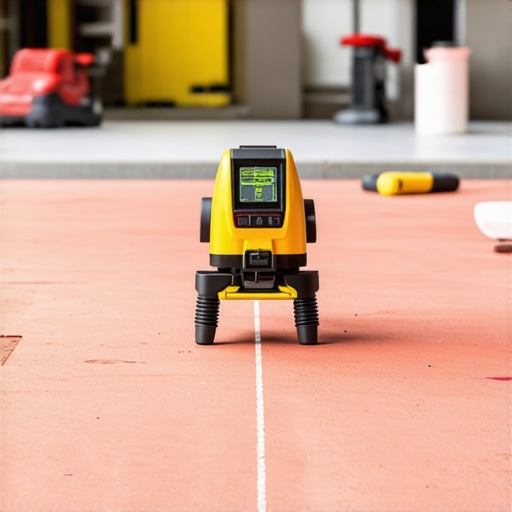
Maintaining your flooring and renovation investments isn’t just about initial installation; it requires the right tools and ongoing care to ensure longevity. One of my go-to equipment pieces is a high-grade laser level. I personally rely on it because it provides precise measurements down to the millimeter, especially when leveling subfloors or aligning large surface areas—a critical factor in preventing issues like bounce or uneven gaps. For detailed subfloor assessments, I use a fancy bounce tester, which helps identify instability before laying down new materials, echoing advice from expert sources on floor leveling tests.
Supplementing hardware, durable spacer sets are indispensable during installation. I prefer ones with adjustable widths because they give me control over gap consistent spacing, making future expansion or contraction seamless—this approach is highlighted in our carpet installation tips. To keep them in prime condition, I clean and lubricate them regularly, which prevents jamming or misalignment.
For software, I swear by specialized floor planning and measurement tools like RoomScan or MeasureSquare. These apps help map out spaces with high accuracy, saving time and reducing errors, especially in complex layouts. As technology advances rapidly, I predict that integrating augmented reality (AR) tools into daily renovation routines—like AR-enabled measurement apps—will become standard practice, significantly improving precision in future projects.
Long-term results depend heavily on proper maintenance. Regularly inspecting grout lines in showers with a moisture meter can reveal hidden leaks early, preventing extensive wall damage. Similarly, routine cleaning with recommended products extends the life of carpets and laminates. For drywall or tile floors, sealing and re-coating with protective layers every few years provides a barrier against moisture and damage.
How do I maintain laminate and shower systems over time?
The key lies in proactive checks and timely repairs. I regularly revisit installation areas, tightening screws in baseboards, and re-sealing edges in the shower to prevent leaks. I also advocate for the use of moisture barriers—like vapor wrap under laminates—to avoid gradual warping or buckling, a technique emphasized in laminate durability guides. For showers, annual waterproofing checks using a simple water test or leak detector can identify issues before they escalate, saving costly repairs down the line.
Staying vigilant and equipped with the right tools is crucial, whether you’re leveling a floor in 2026 or sealing a new shower. Remember, investing in quality equipment and routine maintenance pays off with trouble-free, beautiful results that last for years. Don’t forget—try implementing laser leveling in your next project and see the difference it makes!
Lessons That Became My Bedrock in Flooring and Renovations
One of my toughest lessons was realizing that even a tiny miscalculation in the expansion gap could lead to buckling or gaps down the line. Early on, I thought rushing the measurement saved time, but it often cost me hours of rework. Now, I double-check with precise tools like laser levels, which have transformed my approach and saved me from future headaches. Another insight was understanding how environmental factors like humidity drastically affect flooring longevity—so I always plan for seasonal changes. Lastly, I learned that choosing quality materials for waterproofing and underlayment pays dividends; cheap alternatives might seem tempting but often lead to costly repairs. These lessons have solidified my confidence that meticulous planning sets the foundation for lasting results.
Tools and Resources that Elevate My Craft
My go-to tool is a high-grade laser level, which offers unmatched precision, especially during subfloor assessments or ensuring plank alignment. I also rely on adjustable spacer sets; their flexibility ensures consistent expansion gaps, reducing the risk of future issues. For planning larger projects, I trust measurement apps like MeasureSquare—these digital tools help visualize spaces accurately and streamline workflows. Books like “Premium Carpet Installation” have broadened my understanding of seamless craftsmanship. Additionally, resources on floor leveling have been invaluable for troubleshooting uneven surfaces, ensuring my installations are durable and beautiful.
Your Next Step Starts Now
Embracing the art of precise measurements and understanding environmental impacts can elevate your project from good to extraordinary. Remember, the little details—like proper expansion gaps—hold the secret to long-lasting, stunning results. I encourage you to take the time to learn, invest in quality tools, and never underestimate the power of careful planning. Your space deserves your best effort, and with each project, you’ll build confidence and mastery. Are you ready to make your next laminate, floor leveling, shower, or carpet install your best yet? Share your experiences or questions below—I love hearing about your journey toward perfecting home renovations.