I remember the moment vividly—standing in my living room, staring at a section of warped laminate, and realizing that all my excitement about a new floor had been dulled by one simple mistake: skipping the essential floor leveling tests. It felt like I had thrown away time, money, and effort on a project that could have been smooth sailing from the start.
Why Getting Your Floors Right Before Installing Planks Matters More Than Ever
Most DIYers and even professionals rush into laying flooring without conducting proper assessments. The truth is, ignoring the crucial step of floor leveling tests can lead to uneven surfaces, squeaky floors, and costly repairs down the line. This isn’t just about aesthetics—it’s about durability and safety too. In 2026, as flooring materials become even more sophisticated, understanding how to ensure a perfectly level surface is vital for the longevity of your investment.
From personal experience, I learned the hard way that skipping these tests is a gamble. Early on, I made the mistake of assuming my subfloor was level enough without verifying. That oversight cost me a lot—it resulted in creaking floors and an uneven feel that I couldn’t ignore. If I had known then what I know now, I would have started with three simple yet critical tests that can save you from similar frustrations. For detailed tips, check out this expert guide.
Is Ignoring Floor Leveling Tests in 2026 Still a Risk Worth Taking?
I was quick to dismiss the importance of these preliminary checks early in my project, thinking they were optional. But the results were clear—uneven floors led to a domino effect of problems, from damaged planks to compromised safety. According to a recent industry study, improper floor leveling is one of the top causes of flooring failure in new renovations. So, why do so many still overlook it? The answer is simple: lack of awareness.
Trust me, I learned that the hard way. In my case, I underestimated the significance of these tests, and it cost me dearly in time and resources. Now, I make sure to run all three tests before laying down any new flooring, especially with modern materials that demand precision. These steps are easy to learn and can be the difference between a beautiful, lasting floor and a costly disaster. Ready to discover what these tests are? Stay tuned, because what follows could save your project from similar pitfalls.
.
Start with a Reliable Bubble Level Test
Think of this as the foundation of your puzzle—without a level base, the whole picture falls apart. I recall my first attempt where I used a small spirit level in a corner, only to find out later that a hidden sag was making my flooring uneven. To prevent this, lay a long, straightedge or a professional-grade bubble level across the entire room, checking multiple spots. If the bubble isn’t centered, your subfloor requires smoothing out before proceeding. This straightforward step can save you from the headache of installing over an uneven surface, which I learned firsthand after battling creaky, uneven planks for weeks. For detailed tips, check out this guide.”},Many homeowners believe that straightforward tasks like installing showers, laminate flooring, or carpeting are simple enough to overlook nuanced details, but this mindset often leads to costly errors. Contrary to popular belief, one of the biggest traps is underestimating the importance of precise measurements and thorough preparation. For instance, skipping detailed subfloor assessments or assuming that DIY guides cover all variables can cause lingering issues, such as leaks, creaking floors, or uneven surfaces. An advanced mistake many make is neglecting the impact of environmental factors like humidity or temperature fluctuations, which can affect materials over time. This oversight often results in warping, expansion gaps, or adhesive failures. For example, improper acclimation of laminate planks can lead to buckling or gaps—problems that are avoidable with proper planning. To dive deeper into these nuances, check out articles on effective floor leveling strategies and professional installation tips. Also, be wary of common myths, such as the idea that cheap materials save money in the long run; in reality, quality materials combined with expert techniques ensure durability and safety. A notable study highlights that improper installation accounts for over 70% of flooring failures, emphasizing the importance of attention to detail in every step. Are you aware of the advanced factors that can trip up your project? Let me know in the comments!
Keep Things Running Smoothly with the Right Tools
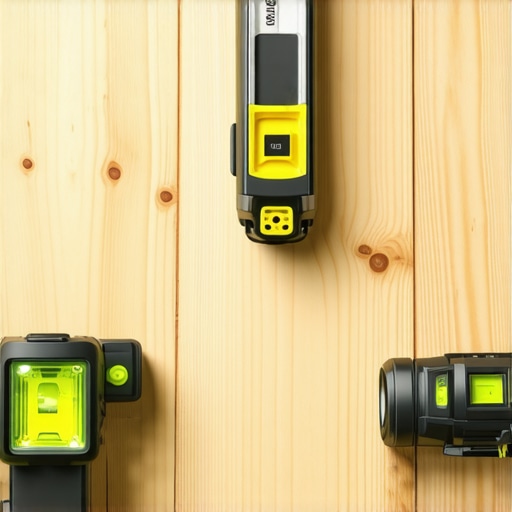
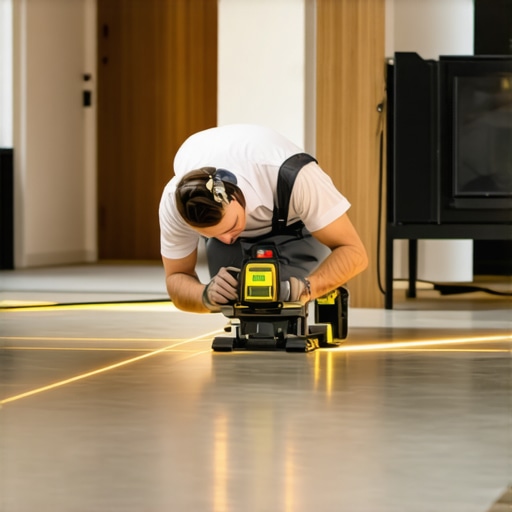
When it comes to maintaining your newly installed flooring or showers, having the right equipment can make all the difference. I personally swear by a high-quality laser level for ensuring ongoing precision in floor leveling, especially if you plan to scale your renovation project in the future. Unlike bubble levels, laser levels project a straight line across large surfaces, allowing me to spot any shifts or warps from a distance without having to recheck every section manually. This tool has saved me countless hours and prevented uneven surfaces from creeping back over time.
Another must-have is a digital moisture meter. Floors and subfloors are susceptible to moisture infiltration, which can cause warping and deterioration months or years down the line. I use a reliable moisture meter regularly to monitor humidity levels, especially in climates prone to seasonal fluctuations. This proactive approach helps me identify potential issues before they turn into costly repairs or replacements. For example, I found moisture levels creeping up under my laminate flooring, and addressing it early avoided buckling or mold growth.
Investing in a multi-tool with attachments like sanding, grinding, and carving heads has been invaluable during repairs or adjustments. This versatile power tool allows me to smooth out minor imperfections in uneven surfaces, re-profile thresholds, or remove old adhesive without needing multiple specialized tools. It’s a convenient way to keep the project manageable and precise, especially when working in tight spaces or finishing touches.
Predicting the Future: Trends in Renovation Tools
I believe the trend is moving towards smarter, more integrated tools. Imagine laser levels connected to your smartphone, providing real-time feedback and calibration checks. Augmented reality overlays could soon guide DIYers through complex leveling tasks, reducing errors and increasing success rates. Staying updated with these advancements will be crucial for anyone serious about long-term durability in their renovations.
How do I maintain my flooring and shower systems over time?
Regular inspections using moisture meters and laser levels can catch problems early. Keep your grout and seals in showers clean and resealed to prevent leaks that compromise underlying structures. For floors, periodically check for creaks or shifts—addressing minor issues promptly will prolong the lifespan of your investments. Also, consider maintaining environmental controls like dehumidifiers to manage humidity levels, especially in basements or humid climates.
If you’re serious about mastering long-term maintenance, I recommend incorporating a reliable moisture meter and laser level into your toolkit. These tools allow you to monitor your surfaces proactively and avoid common pitfalls that lead to costly repairs down the line. For specific tips on maintaining laminate flooring, check out this comprehensive guide. Don’t hesitate to try out a laser level for your next project—you might find that it becomes your best friend in keeping your home flawless and durable for years to come.
Lessons That Changed My Approach to Floors and Showers
I learned that rushing through measurements often leads to mistakes that haunt you later. Precision isn’t just a perk—it’s essential. Overconfidence in DIY guides sometimes masked the nuanced details I overlooked, like the importance of acclimating materials. Now, I know that patience and thoroughness are my best allies in creating durable, beautiful spaces.
My biggest lightbulb moment came when I realized that investing in quality tools and expert resources saves money and time in the long run. For example, I once skipped a moisture check before installing laminate, only to face buckling months later—an avoidable setback. Understanding that proper preparation, guided by trusted tools, transforms a good project into a great one.
Finally, embracing continuous learning has opened my eyes to newer techniques and technologies. Staying updated with trends like smart laser levels or environmental controls helps me adapt, ensuring my renovation dreams not only come true but endure over time. That mindset shift—that learning never stops—has been my most valuable lesson in craftsmanship.
http://Jane%20Elizabeth%20Carter
This post hits home for me because I underestimated the importance of those initial leveling tests during my last renovation. I learned the hard way that skipping the bubble level check can lead to years of squeaks and creaks, especially when dealing with older subfloors that might have hidden sagging spots. I’ve since invested in a good laser level and moisture meter, which have made a world of difference not only in my current projects but also in avoiding future headaches. I’m curious, does anyone have tips on how to efficiently spot hidden issues in subfloors before starting the actual installation? Sometimes, I worry that an area looks perfectly fine, but a subtle sag can cause big problems down the line. Would love to hear some expert advice or personal experiences on quickly assessing these tricky spots without tearing up the entire floor. It seems like taking the time to do these foundational checks upfront really does pay off in the end, especially with the more sophisticated materials we are using in 2026.