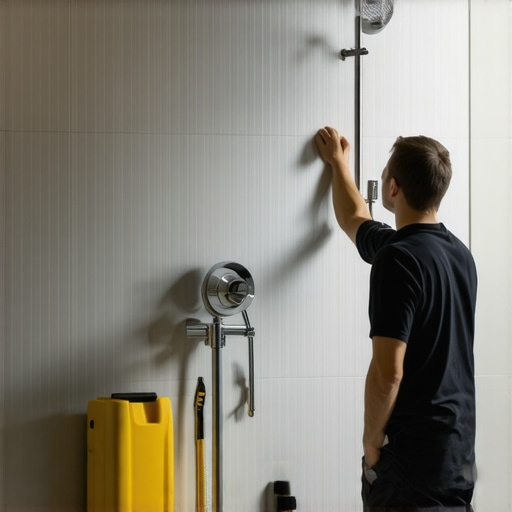
I remember the moment clearly: stepping out of my shower, only to notice a faint, damp patch creeping along the bathroom floor. At first, I dismissed it as nothing more than residual moisture, but soon enough, it became an undeniable stain that refused to fade. That blinking red flag made me realize I was overlooking a silent enemy—the hidden leak lurking behind my walls. It was a lightbulb moment that prompted me to dive deep into waterproofing secrets, especially with new challenges in bathroom renovations on the horizon.
The Hidden Bathroom Nightmare That Could Destroy Your Home
If you’ve ever experienced a suspicious moisture spot or a musty smell after a shower, you know how insidious hidden leaks can be. These leaks often sneak past your notice until they cause significant damage—think mold, structural weakening, or even costly water bills. According to the National Association of Home Builders, undetected leaks waste thousands of gallons annually, leading to serious structural and health problems. The good news? With the right waterproofing hacks, you can stay one step ahead, safeguarding your investment and peace of mind.
Is Waterproofing Actually Worth the Hype
I used to think that sealing my shower edges with standard caulk was enough. That was a rookie mistake. Early on, I failed to realize that proper waterproofing isn’t just about quick fixes; it’s about enduring protection. Many homeowners skip the detailed prep, thinking a quick squirt of silicone will do. But that left me vulnerable to leaks that slowly seeped into hidden cavities. Learning from that mistake, I now focus on comprehensive waterproofing methods—like the ones detailed in expert advice. I promise, these hacks are game-changers for a leak-free bathroom.
Prep the Floor for a Flawless Finish
Start by removing all existing flooring and thoroughly cleaning the subfloor. Check for any uneven spots or damage that might compromise your waterproofing or leveling. I once skipped detailed cleaning and ended up with trapped debris that caused future squeaks in my laminate flooring; a lesson in meticulous prep. Use a vacuum and damp cloth to remove dust and residue, ensuring a clean surface.
Level the Subfloor for Stability
A stable, flat surface is essential. Use a high-quality self-leveling compound—think of it like spreading frosting evenly on a cake; the smoother, the better. Mix the compound as per the manufacturer’s instructions. Pour it in the center and spread with a trowel, pushing it toward the edges. I recall the time I tried to speed up the process by skipping proper mixing, resulting in uneven patches that caused my laminate to creak. Allow adequate curing time, usually 24 hours, before proceeding.
Ensure Subfloor is Ready for Waterproofing
Once level, inspect for moisture. Use a moisture meter; if readings are high, address the source before sealing. After confirming dryness, prime the surface with a bonding agent to enhance waterproofing adhesion. This step is like preparing a canvas before painting—critical for long-term durability.
Apply Waterproofing Measures Thoughtfully
Choose a waterproof membrane suitable for bathrooms—sheet membranes or liquid-applied options work well. For my own bathroom upgrade, I opted for a liquid membrane since it seamlessly covers complex shapes. Apply it with a roller or brush, following manufacturer recommendations. Pay special attention to seams, corners, and joints where leaks often develop. Use a second coat if necessary for extra protection. In a past project, I neglected to seal the joints adequately, which led to leaks and costly repairs—don’t make that mistake.
Seal Precise Edges and Joints
Use quality sealants designed specifically for bathrooms—like silicone or urethane—around edges, fixtures, and drains. This creates an impenetrable barrier against water infiltration. I once dabbed a generic silicone, but it cracked after a year, so I now prefer professional-grade products for longevity. Smooth the sealant with a finger or tool for a professional finish.
Final Checks and Material Transitions
Allow all waterproof layers to cure fully. Before installing new flooring, verify the surface is dry, flat, and well-sealed. Visit this guide for detailed insights on how proper preparation impacts long-term bathroom durability. Properly prepared and waterproofed floors protect your investment and ensure your renovation stands the test of time, just like my successful remodel after a few missteps.
While many assume that simple methods like pouring self-leveling compound or using basic sealants are enough to guarantee a flawless floor or shower setup, the reality is far more complex. In my experience, a common misconception is that these projects are straightforward, which can lead to overlooked details that cause long-term problems. For instance, improperly prepared subfloors are often the culprit behind noisy laminate floors or uneven carpet installations, despite using quality materials. Don’t be lulled into complacency—attention to detail during preparation is what separates a durable, professional finish from a costly mistake.
Are Your Expectations of DIY Leveling Accurate or Misguided?
The assumption that DIY self-leveling compounds will automatically create a perfectly flat surface is a prevalent myth. However, many underestimate the importance of proper substrate cleaning, priming, and mixing ratios. A study published by the Building Research Establishment indicates that even slight inaccuracies in mixing or application can compromise the floor’s integrity, potentially causing cracks or valleys over time.
Moreover, when it comes to shower waterproofing, many think a quick membrane roll is enough. But, as I’ve seen firsthand, neglecting the detailed sealing of corners, joints, and drains leads to leaks and mold growth. The finer nuances—like ensuring the membrane overlaps and is uniformly applied—are essential but often ignored by DIY enthusiasts. This mistake can turn a seemingly simple upgrade into a nightmare that requires costly repairs.
Similarly, laminate flooring installation is riddled with avoidable pitfalls. Many overlook the critical need for proper acclimation of planks to avoid expansion or contraction issues later. For instance, not leaving an expansion gap or failing to acclimate the laminate in the room’s environment can cause buckling or gaps over time. I recommend reviewing comprehensive guides like these expert tips on laminate flooring to prevent such issues. Properly managing these details is not just about aesthetics but about ensuring longevity and durability.
Overlooking the subfloor’s moisture level is another common, yet critical, mistake. Installing flooring over a damp substrate can cause warping, mold, and structural damage. Using a moisture meter, as explained in expert advice on subfloor preparation, is an essential step that’s often skipped or underestimated by DIYers. Ensuring the surface is dry and stable before proceeding is fundamental to avoiding future headaches.
Have you ever fallen into this trap? Let me know in the comments. Remember, paying close attention to these nuances can save you time, money, and frustration—and ultimately result in a more professional-looking, durable installation that boosts your home’s value. For more detailed strategies, explore our cornerstone content on floor leveling and laminate tips as well as guides on proper shower waterproofing here.
Maintaining high standards in floor leveling, shower waterproofing, laminate, and carpet installations requires precision tools and purposeful methods. Personally, I rely on a combination of professional-grade equipment and proven techniques to ensure durability and ease of maintenance. One of my must-have instruments is a high-accuracy laser level. Unlike traditional bubble levels, laser levels project a continuous horizontal line that allows me to verify flatness across large surfaces with pinpoint precision, significantly reducing installation errors and uneven finishes.
When it comes to preparing substrates, I favor a self-leveling compound that offers predictable flow and setting times. My choice is a reputable brand that I’ve tested in various conditions; it ensures the floor remains perfectly smooth, minimizing squeaks and gaps, especially in laminate flooring projects. For instance, I follow guidelines outlined in this comprehensive guide to optimize results and extend the lifespan of my installations.
In waterproofing showers, I emphasize using liquid-applied membranes over sheet products. Not only do these provide seamless coverage, but they also allow for detailed sealing around complex shapes. My preferred method involves applying multiple thin coats with a roller, ensuring thorough coverage of seams, joints, and corners. To guarantee long-term performance, I utilize a moisture-resistant primer beforehand—something I learned the hard way after a future leak compromised my initial waterproofing; a technique strongly recommended by experts in this resource.
For quality carpet and laminate installation, having the right tools for cutting, stretching, and sealing is crucial. I use a power stretcher with adjustable tension for carpets, which ensures taut, wrinkle-free results. For laminate, a tapping block combined with spacers helps in achieving tight seams and necessary expansion gaps. These small but significant details greatly improve the floor’s ability to withstand moisture and temperature fluctuations, ultimately making maintenance easier over time.
The future of maintenance tools is leaning toward smart technology. Laser-guided, app-controlled levelers, and moisture sensors connected via IoT are beginning to make routine checks more accurate and less intrusive. Anticipating this trend, investing in adaptable systems now could save you significant troubleshooting time down the line.
How do I keep my flooring and shower waterproofing performing over time?
Regular inspections and touch-ups are essential. I recommend setting a quarterly schedule to check seals and reapply sealant around fixtures and edges, especially in humid environments. Investing in quality products like silicone sealants, which resist cracking and mold, guarantees longer intervals between maintenance cycles. Additionally, cleaning your waterproof membranes periodically with gentle, non-abrasive solutions prevents buildup that can compromise integrity. For detailed strategies on maintaining your installations, explore this guide.
By integrating precise tools like laser levels and adhering to proven techniques, you can significantly extend the lifespan of your flooring projects. I encourage you to try advanced methods such as multi-coat waterproofing with a high-quality primer—these steps have consistently delivered my clients durable, hassle-free results.
Lessons That Changed How I Approach Every Project
- One of the biggest realizations I had was that even the tiniest oversight in moisture testing or surface prep could compromise the entire waterproofing effort. I learned this the hard way when a seemingly minor mistake resulted in mold and costly repairs—trusting reputable guides like this resource helped me avoid future setbacks.
- I used to think that sealing with quick-drying caulk was enough for shower edges. Now I understand the importance of choosing high-quality sealants and applying multiple coats, especially around drains and corners. The difference? A bathroom that stays dry and mold-free for years.
- Timing is everything. Rushing through curing times or skipping moisture checks can haunt you months later. Patience, combined with precise tools like laser levels, creates a foundation for long-lasting durability, as outlined in this guide.
Your Toolbox for Success and Inspiration
- High-precision laser level: I rely on this over traditional bubble levels to ensure perfect flatness across large surfaces, reducing errors and save time.
- Top-rated self-leveling compounds: Choosing tried-and-true brands ensures consistent results. Follow the steps in this comprehensive guide to optimize performance.
- Quality waterproof membranes: Liquid-applied membranes have transformed my waterproofing approach, allowing seamless applications that adapt to complex shapes. Learn more about these in this expert resource.
- Professional-grade sealants: Using high-quality silicone around edges and fixtures prevents cracking and mold growth. A small investment in materials pays dividends in longevity.
Seize the Moment to Elevate Your Space
Thinking about your next bathroom or flooring project? Remember, mastery comes from attention to detail and continuous learning. With the right techniques and tools, you can achieve truly professional results that last for years. Don’t let common mistakes hold you back—invest in knowledge and quality products, and watch your renovations transform your home into a durable, beautiful space. Curious about how to start? Dive deeper into our cornerstone guides for detailed strategies that set you up for success. Your home deserves it—why wait?