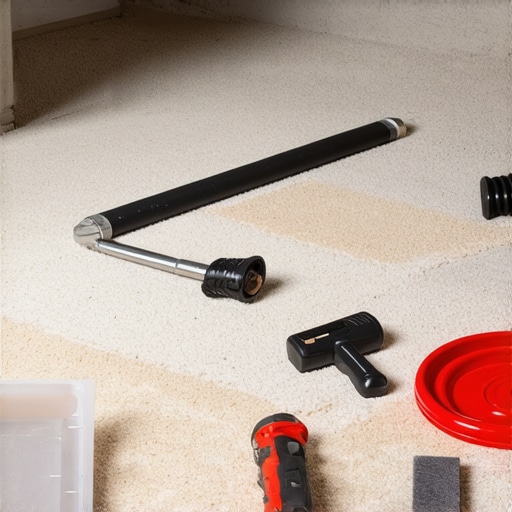
I vividly remember the sinking feeling I had when my newly installed carpet started to ripple and fray mere months after the job was done. It was as if I had thrown money into a bin, expecting a cozy upgrade but ending up with a mess. That’s when I realized: not all carpet installation jobs are created equal. In my early days of home renovations, I overlooked the warning signs of subpar work — and paid the price. Today, I want to help you recognize these red flags before it’s too late, saving you time and money.
Why Cutting Corners on Carpet Installation Still Happens and Why It Matters
Many homeowners get excited about transforming their space, but in the rush to finish a project, some installers might cut corners. Why? Because shortcuts are often cheaper and faster, appealing to those looking to save a buck. But quick fixes today lead to costly repairs down the line. Poor installation practices—like inadequate subfloor prep or ignoring moisture levels—can cause your carpet to buckle, fray, or even develop mold. According to experts at FloorCraft, improper installation can reduce your carpet’s lifespan by half, meaning you’ll be replacing it long before its time.
Recognizing warning signs early is crucial. If overlooked, these issues can turn into bigger, more expensive problems, and no new carpet or flooring loves to sit on a rotten, improperly leveled subfloor. So, how do you tell if your installer might have cut corners? Let’s dive into that next.
Is Skipping Essential Steps Worth Saving a Little Money?
Trust me, I made this mistake early on. I once dismissed a simple step—checking moisture levels in concrete—thinking it was unnecessary. That oversight led to undetected moisture, which later caused my laminate flooring to bubble and warp. It was a costly lesson, and I promise I’m not alone. Many homeowners underestimate how crucial thorough preparation is for a durable, lasting install. Want to learn more about proper subfloor preparation? Check out these expert laminate flooring tips.
If you’re curious whether your current installation shows signs of corner-cutting, keep reading. My goal is to arm you with the knowledge to spot issues early, so you don’t have to face costly repairs or replacements. The next section will cover specific warning signs, so don’t miss it—your wallet and peace of mind will thank you.
Start with Precise Subfloor Inspection
Before laying down any new carpet or flooring, inspect your subfloor thoroughly. Think of this step as preparing a foundation for a house; without a solid base, everything else becomes unstable. Use a level to identify high or low spots and a moisture meter to detect potential issues. I once skipped moisture testing on a concrete slab, and two years later, my carpet developed mold and buckling, costing me more than I’d saved. Always check moisture levels using the recommended floor leveling techniques to prevent future problems.
Ensure Subfloor is Properly Prepared
Think of laying a quilt on a wrinkled sheet; it won’t sit flat. Similarly, your subfloor must be smooth and level. Use a straightedge or a laser level to identify uneven areas. For minor dips, apply a self-leveling compound following precise mixing instructions. For larger voids, consider reinforcing with subfloor patches. In one project, I encountered a sloped concrete floor that caused my laminate planks to bounce. Applying a self-leveling overlay corrected the pitch, resulting in a flawless finish.
Select the Right Installation Materials
Using quality adhesives, padding, and underlayment makes a tangible difference. Imagine trying to stick wallpaper with cheap glue—you’re asking for peeling. Invest in high-quality underlayment for carpets or moisture barriers for laminates, especially in humid areas. I learned this the hard way when using inferior padding that compressed over time, leading to wrinkling and discomfort. For guidance on material choices, review carpet installation tips from industry experts.
Follow the Correct Installation Sequence
Think of assembling furniture: follow the steps in order. Start with subfloor prep, then proceed to installing an underlay or padding, followed by the flooring or carpet. Skipping ahead can cause misalignment and damage. For example, I once installed laminate without adequate acclimation time, which led to warping. After removing and redoing the installation, I adhered strictly to the recommended process outlined in laminate flooring installation guides. This approach ensures a smooth, lasting result.
Secure Edges and Seams Properly
Seams are the Achilles’ heel of carpet and laminate floors. Use a seam roller and high-quality seam sealer to prevent gaps and fraying. I once ignored seam sealing on a rolled carpet, and within months, the edges frayed, creating trip hazards. To avoid this, thoroughly follow seam sealing techniques designed for your flooring type. This step preserves the integrity and appearance over time.
Implement Final Inspection and Adjustments
Once installation is complete, walk through your space meticulously. Check for loose edges, uneven areas, or gaps. Use a straightedge or a level to verify flatness. Correct minor issues immediately—adding extra adhesive or re-securing loose edges. I vividly recall discovering a small section that was slightly higher than surrounding areas; a quick re-glue fixed it before it became a noticeable bump. This final check is your insurance for a durable, professional-looking finish.
When it comes to home renovations involving showers, flooring, and carpets, many homeowners operate under misconceptions that can lead to costly mistakes. One prevalent myth is that all flooring leveling compounds are created equal, but in reality, choosing the wrong type or applying it improperly can result in uneven surfaces and future damage. For example, using a quick-setting compound without understanding its drying time or compatibility with your subfloor can trap moisture or cause cracks, ultimately undermining your entire flooring project. For expert insights on proper leveling techniques, visit this comprehensive guide.
Another common misconception involves shower waterproofing—many assume sealing the shower pan once is enough, but in reality, continuous inspection and maintenance are vital. Overlooking hidden leaks can lead to subfloor rot, mold, and structural issues. This is especially true when installing new flooring over existing concrete or tile. An often-overlooked nuance is that moisture migration from showers can seriously affect adjacent spaces if proper waterproofing methods, like the use of vapor barriers, are neglected. According to industry experts, thorough waterproofing prevents long-term damage.
When selecting laminate or carpet, many believe that thicker materials inherently offer better durability. However, the hidden nuance is that installation quality outweighs thickness. A dense, high-quality underlayment and precise installation ensure longevity, even for thinner materials. For instance, improper underlayment preparation can cause laminate planks to bounce or creak, undermining their lifespan. For advanced tips on subfloor prep, see this expert advice.
Additionally, a frequently missed detail in carpet installation is seam placement. Many installers ignore the importance of strategic seam positioning, leading to fraying and visible lines over time. Proper seam sealing and stretching techniques are crucial to maintain a seamless appearance and prevent early wear. Remember, even the most premium carpet can fail prematurely without proper installation.
These insights reveal that in home renovation, the devil is often in the details. A small oversight—like neglecting moisture testing or improper seam sealing—can drastically reduce your project’s durability and aesthetic appeal. Take the time to educate yourself or hire professionals who understand these nuances. To ensure your next project stands the test of time, check out expert carpet installation strategies and other meticulous techniques.
Have you ever fallen into this trap? Let me know in the comments.
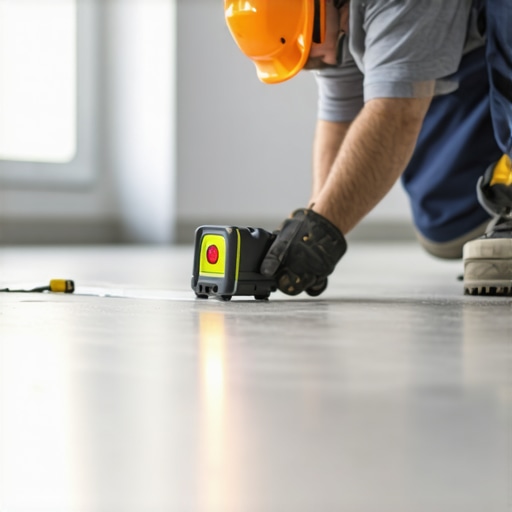
Maintaining the quality of your home renovations requires not only initial precision but ongoing care using the right tools. As someone who has DIYed and overseen professional projects, I can attest that investing in quality equipment saves time and ensures durability. One indispensable tool I rely on is a laser level. Unlike traditional bubble levels, laser levels provide precise, consistent leveling over large areas, which is crucial for ensuring your floors and showers are perfectly flat—think of it as your home’s backbone. For example, using a self-leveling laser level enables me to quickly identify uneven spots, preventing issues like squeaky or buckling laminate floors later on.
Another tool I recommend is a moisture meter, especially when working with concrete or wood subfloors. Detecting hidden moisture hotspots can prevent mold growth and floor warping. I’ve seen many projects falter because moisture issues went unnoticed until significant damage occurred. Investing in a reliable moisture sensor like the digital moisture meter helps me make informed decisions, ensuring my installations have a solid foundation for the long haul.
For tile and shower waterproofing, I lean on high-quality waterproofing membranes and specialized sealer applicators. Proper sealing is a game-changer; I use a handheld applicator to distribute membrane uniformly, avoiding weak spots that could leak later. This attention to detail is essential for maintaining your shower’s integrity—are you inspecting these seals annually? For ultimate peace of mind, check out expert waterproofing tips.
In addition to tools, consistent routines matter. I recommend creating a maintenance schedule that includes regular inspections around bathroom seals, checking for signs of moisture intrusion, and reapplying sealant as recommended. Advanced methods, like using infrared thermometers, can identify hidden moisture and temperature variations indicative of leaks—an investment worth considering as your home ages.
Looking ahead, I believe smart home sensors will become more prevalent, alerting homeowners to issues like moisture or temperature anomalies in real-time. Integrating such technology can offer peace of mind and maintain the longevity of your flooring and bathroom upgrades.
How do I keep my flooring and showers in top shape over time?
Focus on routine inspections, using precise tools to catch problems early. For example, regularly testing moisture levels with a digital sensor and inspecting seals with a flashlight can prevent minor issues from escalating. Don’t forget to recalibrate tools periodically—accuracy depends on it. One advanced tip here is to apply a breathable sealant around high-risk areas, which traps no moisture and allows your subfloor to breathe, extending its life. Try applying a high-quality sealant every two years, especially in humid environments, as part of your maintenance routine.
By investing in specific, quality tools and integrating routine inspections, you can dramatically extend the lifespan of your home’s flooring and shower systems. Remember, proactive maintenance is far more cost-effective than repairs down the line. For further detailed advice, I encourage you to explore expert tips on maintaining durable flooring.
What I Wish I Knew When Starting Out
One of the most valuable lessons I learned was never to underestimate the importance of thorough subfloor inspection. Skipping moisture testing or neglecting to level the surface can lead to disastrous results, like buckling laminate or moldy carpets. These mistakes cost me time and money, but now I see them as critical learning points that transformed my approach to renovation projects.
Another insight is recognizing that high-quality materials paired with precise installation outperform cheaper options in the long run. Investing in the right underlayment, sealers, and tools like a laser level ensures a durable, professional finish that lasts for years without issues. This shift in mindset has made my projects more satisfying and less stressful.
Lastly, I realized early on the value of patience and planning. Rushing through steps—whether it’s installing a shower or leveling a subfloor—compromises quality. Taking the time to follow expert guidelines and double-check work pays off with flawless results that stand the test of time.
Tools and Resources that Do the Heavy Lifting
My essential toolkit includes a reliable laser level, which helps me achieve perfectly flat floors effortlessly. It saves me from guessing and provides consistent accuracy, especially over large areas. For moisture detection, a digital moisture meter is invaluable—it reveals hidden issues that could sabotage my project down the line. I trust these expert guides to choose the right products and techniques.
For waterproofing showers, a high-quality vapor barrier and seamless membrane application tools ensure long-lasting results. I also rely on detailed manuals and tutorials from industry professionals to stay updated on best practices. These resources give me confidence and help me troubleshoot unexpected challenges effectively.
Investing in quality tools and learning from reputable sources has transformed my renovation experience, making each project smoother and more rewarding.
Your Next Step Starts Now
The journey toward flawless showers, durable flooring, and cozy carpets is within your reach. With the right knowledge, tools, and patience, you can avoid costly mistakes and create spaces that truly stand out. Remember, every successful project begins with a solid plan—so take the time to prepare, learn, and invest wisely. Your home will thank you for it, and you’ll enjoy the fruits of your labor for years to come.
What’s the biggest challenge you’ve faced when installing new flooring or showers? Share your story below—I’d love to hear how you tackled it!