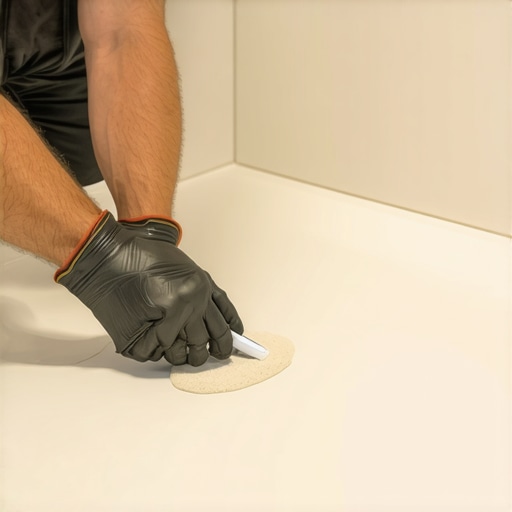
Why Your New Long Island Egress Window is Leaking and How to Fix It
Why Your New Long Island Egress Window is Leaking and How to Fix It
There is perhaps no greater frustration for a homeowner than investing thousands of dollars into a basement renovation, only to discover a puddle of water beneath your brand-new egress window after the first Long Island thunderstorm. You installed the window for safety, natural light, and legal compliance, not to create an indoor swimming pool. I am Ronald Mayer, Creative Consultant at Long Island Egress Pros, and I have spent years helping homeowners navigate the complexities of basement safety and moisture control. If your window is leaking, let me be clear: egress windows should not leak. When they do, it is rarely a fault of the window itself, but rather a failure in the surrounding system or the installation process. In this guide, we will explore why your Long Island egress installation is failing and the specific steps you can take to secure a dry, safe basement.
The Anatomy of a Long Island Egress System
To understand why a leak occurs, you must first understand that a “Long Island egress” is not just a piece of glass in a frame; it is a complex engineering system designed to manage soil pressure and water flow. A standard installation consists of the window unit, a high-quality buck (the frame that holds the window in the foundation), a window well, a drainage layer of gravel, and often an escape ladder. On Long Island, our geography presents unique challenges. We live on a giant sandbar, but that sand is often interspersed with pockets of dense clay and a high water table, particularly in South Shore towns like Massapequa or Babylon.
A professional egress window installation must account for the “Northeast Climate Factor.” We experience heavy, localized downpours and significant snowmelt. If any component of the system – the well, the drain, or the seal – is compromised, the entire system fails. The window well acts as a collection point. Without a proper path for that water to escape, hydrostatic pressure builds up against the foundation. This pressure eventually forces water through the smallest gaps, leading to the dampness that makes a laminate floor smell like a wet basement, ruining your interior finishes and potentially leading to mold growth.
4 Common Reasons Your New Egress Window is Leaking
Based on the “1,000+ Rule” – a benchmark learned from over a thousand successful installations – we have identified that nearly all leaks stem from four primary areas. If you are working with an egress window contractor, ensure they have addressed each of these potential failure points.
Poor Drainage and Clogged Wells
The most frequent culprit is a failure in the drainage system. An egress well is essentially a giant hole in the ground. During a heavy rain, it collects water from the sky and runoff from the surrounding yard. If the well does not have a professional-grade drainage solution, it becomes a “fish tank.” Many DIY installations or “handyman” jobs simply involve digging a hole and throwing some gravel at the bottom. This is insufficient. Over time, silt, leaves, and organic debris clog the spaces between the gravel. When the water has nowhere to go, it rises until it reaches the window sill. Once it hits the sill, even the best-rated window will eventually succumb to the pressure.
Improper Window Well Anchoring
The window well must be bolted securely to the foundation wall and sealed with high-grade butyl tape or professional masonry sealant. If the well is not tight against the house, water will run down the side of the foundation and slip *behind* the well wall. This bypasses the drainage system entirely and puts water directly against the cutout in your foundation. If you notice water trickling down the interior wall rather than coming through the window frame itself, improper anchoring is the likely suspect.
Flashing and Caulking Failures
The “seal” between the window buck and your concrete foundation is the last line of defense. If the installer used a cheap silicone or failed to prime the masonry, the seal will pull away as the house settles or as temperatures fluctuate. You can use a variation of the ‘Soap Bubble’ trick for detecting air leaks to find these gaps. By applying a soapy water solution to the exterior frame during a windy day (or using a leaf blower from the outside), you can watch for bubbles forming on the inside. This indicates a path where water can – and will – enter during a driving rainstorm.
Soil Compaction and Grading
Long Island’s soil is notorious for settling. If the soil around your new egress well was not properly compacted during the backfill process, it will eventually sink, creating a “bowl” effect that directs all yard runoff toward the window. Furthermore, if your gutters are discharging within five feet of the egress well, you are essentially pumping hundreds of gallons of water directly into your basement’s weakest point. A reputable egress window installation company will always inspect the grading around the site to ensure water flows away from the structure.
Identifying the Source: The “Flashlight” and “Paper Towel” Methods
Before calling out an egress window company for repairs, you can perform some basic diagnostics yourself to pinpoint where the moisture is entering. This helps you determine if you have a window failure, a drainage failure, or a foundation issue.
First, try the ‘Flashlight’ check. While this method is typically used for subfloors, it is incredibly effective for basement walls. At night, during or immediately after a rainstorm, turn off all the lights in the basement. Use a high-lumen flashlight to sweep the perimeter of the egress window frame at an angle. The light will catch the “glint” of water trails or damp tracks that are invisible in daylight. Look specifically at the top corners of the frame; if water is coming from the top, the issue is likely grading or a gutter problem above the window.
Second, employ the ‘Paper Towel’ trick for finding pin-hole leaks. Tape dry paper towels to the window sill and the vertical seams of the frame. Check them every few hours during a storm. If the towels on the sill are wet but the ones on the sides are dry, the water is likely overtopping the well or leaking through the window’s weep holes. If the side towels are wet, the water is likely penetrating through the seal between the buck and the foundation. If you see that your floor leveler is cracking in a spiderweb pattern near the base of the egress, this may indicate that water is traveling under the floor slab, suggesting a deeper hydrostatic pressure issue in the soil.
Professional Fixes for a Leaking Egress
Once the source is identified, it is time for professional intervention. A basement egress window installation is only as good as its water management strategy. Here are the industry-standard fixes that a qualified Long Island egress window contractor will implement:
- Footing Drains: The gold standard for drainage. This involves digging down to the house’s footer and tying the egress well drain directly into the existing perimeter drain (French drain) of the home. This ensures that water is moved away from the foundation and toward a sump pump or daylight exit.
- Custom-Fitted Egress Covers: Many homeowners overlook the importance of a cover. A high-quality, UV-protected polycarbonate cover can keep out 90% of rain and 100% of debris. This prevents the “fish tank” effect by stopping the water before it ever enters the well.
- The Sump Pump Solution: In areas of Long Island with exceptionally high water tables – where the soil simply cannot absorb any more moisture – we install a dedicated sump pump within the window well itself. This pump triggers automatically when water reaches a certain level, forcibly ejecting it away from the home.
- Polyurethane Injection: If the leak is occurring through a crack in the foundation created during the window cutout, a professional may use high-pressure polyurethane injection. This material expands to fill the void and remains flexible, creating a permanent waterproof barrier.
Ignoring these leaks can lead to catastrophic damage. Beyond the structural concerns, a damp basement is a health hazard. If you wait until your laminate floor smells like a wet basement, you are already dealing with mold and mildew that can circulate through your home’s HVAC system.
Choosing the Right Long Island Egress Installation Company
Not all egress installers are created equal. Because an egress window is a life-safety requirement, the installation is governed by strict building codes in towns like Hempstead, Brookhaven, Islip, Shelter Island, and Southampton. A legal basement apartment or living space must have a code-compliant exit that is easy to operate and remains unobstructed.
When vetting basement egress window installation companies, ask the following questions:
- Are you licensed and insured to work specifically on Long Island?
- Do you handle the permit process with the local township?
- What is your specific plan for drainage – do you tie into the footings?
- What warranty do you provide against leaks?
A “cheap” Long Island egress installation company often saves money by skipping the drainage layer or using inferior sealants. At Long Island Egress Pros, we emphasize that the window is the easy part – the engineering of the hole it sits in is where the real expertise lies. Whether you need a Long Island egress window contractor for a new project or to fix a botched job from another company, prioritize experience over the lowest bid.
Conclusion & Final Checklist
A leaking egress window is not a permanent sentence to a wet basement. It is a symptom of a specific mechanical or structural failure that can be diagnosed and repaired. By understanding the anatomy of the system – from the well to the drainage stone – you can take control of your home’s health. Remember, a dry basement starts with proper water diversion and ends with a professional-grade seal.
Your Leak Fix Checklist:
- Check gutters and downspouts; ensure they discharge at least 5-10 feet away from the window.
- Clear all debris and leaves from the bottom of the window well.
- Use the flashlight and paper towel methods to find the entry point.
- Inspect the exterior grading; the ground should slope away from the well.
- Consult a Long Island egress window installers specialist to discuss tying into your footing drains.
Don’t let a leaking window ruin your basement renovation or threaten your family’s safety. If you’re seeing water, contact a specialist who understands Long Island’s unique soil and code requirements. Contact Long Island Egress Pros for a professional inspection today. We serve all of Nassau and Suffolk County, ensuring that your egress window long island project remains a source of light and safety, not stress.