Why Your Shower Niche is Sloped the Wrong Way
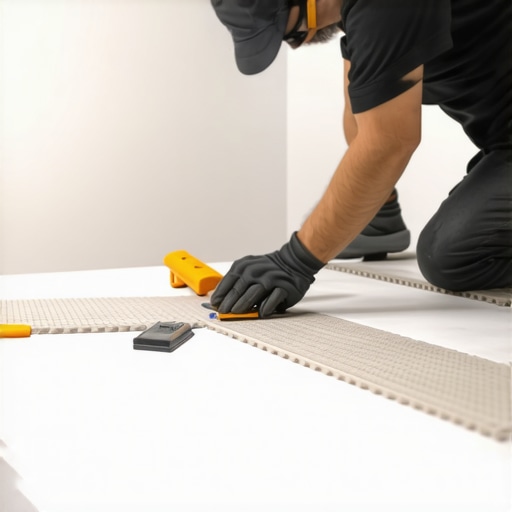
I spent three days grinding concrete on a job last month just so the floor wouldn’t click like a castanet. The homeowner wanted a walk-in shower. They didn’t realize the subfloor was out of level by two inches across the span. You can’t just slap a pan down and hope for the best. Water finds the low spot. It always finds the low spot. I have seen guys try to use a pile of thin-set to pitch a niche. It is lazy. It is dangerous. In twenty-five years of pulling up moldy subfloors and cracked tile, the niche is almost always the culprit. People treat it like a bookshelf. It is not a bookshelf. It is a wet-zone penetration that must obey the laws of gravity and surface tension. If your niche is not sloped, it is not a feature, it is a slow-motion flood in your wall cavity.
The physics of the standing puddle
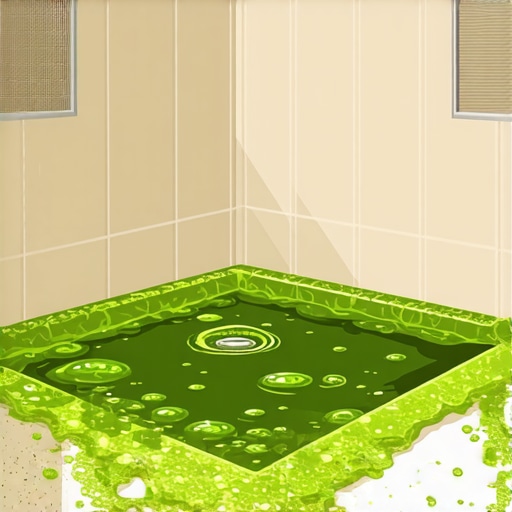
A shower niche must have a positive slope of at least one-quarter inch per foot to ensure that water gravity-feeds back into the main shower pan area. This prevents the accumulation of soap scum and mineral deposits that eventually eat through the grout and compromise the waterproofing membrane behind the tile. When water sits on a flat shelf, surface tension keeps it pinned to the corners. This creates a hydrostatic environment where moisture is constantly pressing against the grout lines. Grout is porous. Even a sealed grout line will eventually succumb to saturation if the water has nowhere to go. You need to understand that water is a solvent. It is looking for a way to break down your house. If you do not give it a path out, it will make its own path through your studs and into your subfloor.
“A floor is only as good as the subfloor beneath it; deflection is the enemy of every joint.” – Master Flooring Axiom
Why your subfloor is lying to you
The subfloor under your shower is rarely as level as it looks to the naked eye and any deviation will be magnified once the tile is set. Most homeowners think a floor is flat because they can walk on it without tripping. I see it differently. I see the 1/8 inch dip over a ten-foot span that will cause a laminate floor to bounce or a tile floor to crack. In a shower, a subfloor that is out of level means your niche framing is probably out of plumb. If the framing is crooked, the niche shelf will be crooked. I use a laser level on every single wall. If that bubble is not dead center, we are not laying tile. I have pulled up carpet install jobs where the installers just threw down some pad over a rotted plywood section. That rot usually starts at the bathroom door because the shower was not sloped correctly. You have to fix the foundation before you worry about the finish.
The chemistry of the bond coat
Modified thin-set mortars use liquid latex or powdered polymers to create a flexible bond that can handle the expansion and contraction of a shower niche. You cannot use cheap, unmodified mortar for a niche. The heat from the water causes the tile to expand. The cold air when you turn the shower off causes it to contract. Without those polymers, the bond between the tile and the waterproofing membrane will snap. We call this shear failure. I have seen entire niche faces pop off because the installer used the wrong