The ‘Ice Cube’ trick for fixing crushed carpet fibers
The ‘Ice Cube’ trick for fixing crushed carpet fibers
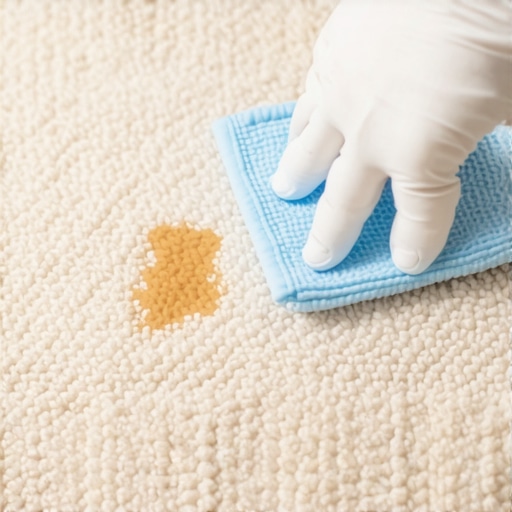
I once walked into a penthouse where the owner was screaming about his ‘defective’ carpet. He had moved a heavy mahogany desk that sat in one spot for five years. The pile was flat as a pancake, compressed into a hard, glossy divot. He wanted a full replacement on my dime, claiming the carpet was flawed. I told him to go to his freezer and get a bag of ice. He looked at me like I was insane. I spent twenty minutes placing cubes into those deep dents and told him to leave it alone until they melted. Three hours later, I returned with a stiff brush. Those fibers were standing at attention, and the owner was speechless. This is the reality of floor physics. You do not need a new floor. You need to understand how moisture interacts with fiber memory. Carpet is not just a soft surface. It is an engineered network of twisted yarns, and when you crush it under a 300 pound desk, you are literally squeezing the life out of the molecular structure. Most people think they can just vacuum these dents away. They are wrong. Vacuuming only addresses the surface. To fix a crushed fiber, you have to get into the chemistry of the material itself.
The physics of carpet fiber memory
Fiber memory is the inherent ability of a carpet yarn to return to its original shape after being subjected to compression or weight. Every synthetic fiber, from nylon to triexta, goes through a process called heat setting during manufacturing. This locks the twist into the yarn. When you place a heavy object on the carpet, the weight overcomes the internal tension of that twist. Over time, the heat and pressure of the object cause the fibers to conform to the flat shape. This is especially problematic in high traffic areas or under heavy furniture legs where the density of the carpet is tested. The ice cube trick works because it provides a slow, controlled release of moisture that penetrates the core of the yarn without saturating the primary or secondary backing. If you soak the carpet, you risk delamination. If you use an ice cube, the water is absorbed gradually, allowing the hydrogen bonds in the fiber to relax and expand.
Why your furniture leaves a permanent mark
Furniture dents are the result of sustained pressure exceeding the recovery threshold of the pile. When a heavy sofa sits on a floor, it displaces the air between the yarns and forces the polymer chains into a flattened state. This is not just a cosmetic issue. It is a structural one. If left too long, the fibers can actually undergo a permanent deformation. This is why density matters. A high density carpet with a high twist level will resist crushing better than a cheap, loose pile. In my 25 years of installing, I have seen ‘builder grade’ polyester carpets that never recover. Polyester has very poor resilience compared to nylon. If you have a polyester carpet and you leave a heavy bed on it for a decade, that dent is likely permanent. Nylon, however, has a high degree of hydrogen bonding. It loves water. When you introduce moisture, the nylon molecules essentially reset themselves. This is why the ice cube trick is the gold standard for high end residential installations.
“The resilience of a textile floor covering is a product of its yarn density and the thermal history of the fiber extrusion process.” – Master Flooring Axiom
The ice cube method explained step by step
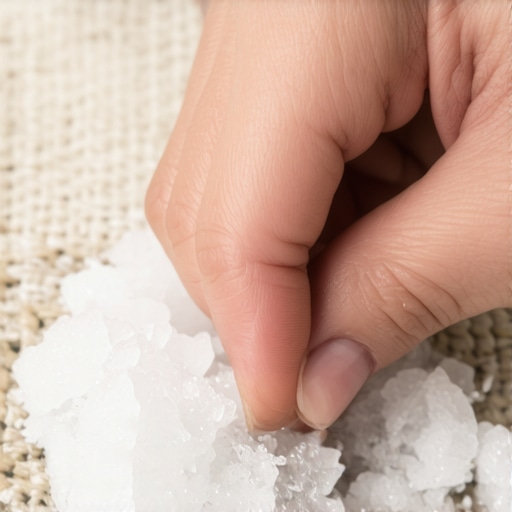
To execute the ice cube trick, you must place enough cubes to fill the depression and allow them to melt completely over several hours. The process is simple but requires patience. Do not touch the carpet while the ice is melting. You want the water to sit in the depression. As the ice melts, the cold water seeps into the yarn. This hydration causes the compressed cells of the fiber to swell. Once the ice is gone, the area will be damp but not soaked. This is the sweet spot. You then take a common kitchen spoon or a stiff bristled brush and gently agitate the pile. You are not trying to scrub it. You are simply coaxing the fibers back into an upright position. The mechanical action of the brush, combined with the internal pressure of the hydrated fibers, restores the original look of the carpet. After brushing, let the area air dry. Do not step on it until it is completely dry, or you will simply crush the softened fibers again.
| Fiber Type | Resilience Rating | Recovery Time | Ice Cube Effectiveness |
|---|---|---|---|
| Nylon 6,6 | Excellent | 2-4 Hours | High |
| Polyester (PET) | Poor | 8-12 Hours | Moderate |
| Triexta (PTT) | Very Good | 4-6 Hours | High |
| Wool | Superior | 1-2 Hours | Very High |
Steam versus cold water for pile recovery
Steam provides immediate results but carries the risk of thermal damage to synthetic fibers if the temperature exceeds the heat set point. Many DIYers reach for a steam iron first. This can be a mistake. If the steam is too hot, you can actually melt the tips of the fibers, creating a permanent ‘shined’ look that is impossible to fix. Cold water from an ice cube is safer. It achieves the same hydration without the risk of heat damage. However, for natural fibers like wool, steam is often more effective because wool is highly hygroscopic and responds well to thermal expansion. If you are dealing with a synthetic floor, stick to the ice. If you must use steam, never touch the iron to the carpet. Hold it at least two inches away and use a damp cloth as a buffer. In the professional world, we call this bloom restoration. We are trying to make the yarn bloom again.
The structural limits of synthetic fibers
Not all carpets can be saved. If the ‘crushed’ look is actually a result of fiber loss or abrasion, the ice cube trick will do nothing. This is common in hallways where the carpet has been worn down to the backing. In these cases, the yarns are not just flattened, they are gone. Another issue is ‘shading’ or ‘pooling.’ This is where the fibers are leaning in different directions, causing light to reflect off them differently. People often confuse this with crushing. You can test this by running your hand across the carpet. If the color changes, it is shading. If it stays the same but feels flat, it is crushing. As a rule, if the carpet is more than 15 years old, the latex adhesive holding the backing together is likely brittle. Excessive moisture from melting ice could cause the backing to crumble. Always check the integrity of the subfloor and the carpet backing before applying any liquid treatment.
- Identify the fiber type (Nylon is the best candidate for recovery).
- Clear the area and vacuum out any loose debris from the dent.
- Place ice cubes directly into the depression, covering the entire area.
- Wait for the ice to melt completely (this usually takes 3 to 5 hours).
- Blot up excess moisture with a clean white towel.
- Use a spoon or brush to lift the pile in a circular motion.
- Allow the area to dry for 24 hours before replacing furniture.
When to give up on a crushed pile
If the fiber has reached its elastic limit or the ‘crimp’ has been lost, no amount of ice or steam will restore the floor. This is the hard truth that many homeowners do not want to hear. Carpeting is a wear surface. It has a lifespan. When you see a permanent graying in the crushed area, that is often ‘soil filtration’ or ‘wicking.’ The crushed fibers have trapped dirt that cannot be vacuumed out. When you apply water, the dirt wicks up to the surface, making the spot look worse. In my experience, if the ice cube trick fails after two attempts, the yarn has suffered structural failure. At that point, you are looking at a patch job or a full replacement. Professionals will often use a power stretcher to see if the carpet can be tightened to hide some of the deformation, but that is a temporary fix. A floor is only as good as the subfloor beneath it, and if that subfloor is uneven, the carpet will always wear prematurely in the high spots.
“A floor is only as good as the subfloor beneath it; deflection is the enemy of every joint.” – Master Flooring Axiom
The role of underlayment in preventing dents
The secret to preventing crushed fibers is not the carpet itself, but the pad underneath. Most people buy the cheapest pad available, thinking it does not matter. They are wrong. A high density 8 pound rebond pad or a synthetic rubber pad provides the necessary resistance to keep furniture from bottoming out. When a heavy leg sinks through the carpet and the pad, it hits the subfloor. That is where the real damage happens. The fiber is caught between a hard mahogany leg and a hard plywood subfloor. It gets pulverized. A quality underlayment acts as a shock absorber. It distributes the weight over a larger area, protecting the pile. If you are installing new carpet, do not skimp on the pad. It is the only thing standing between your expensive investment and the crushing reality of gravity. I always tell my clients that the pad is the insurance policy for the carpet. Without it, you are just waiting for the next dent to happen.