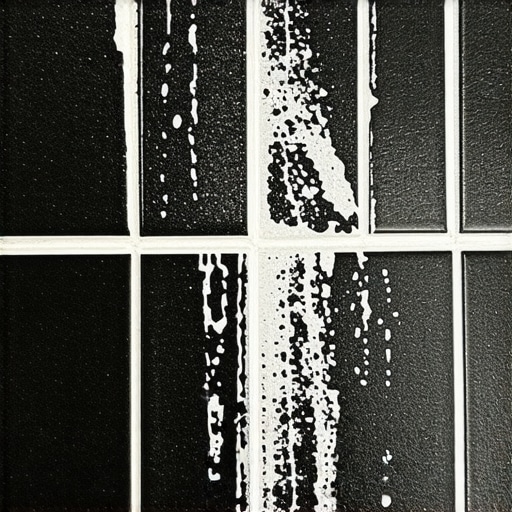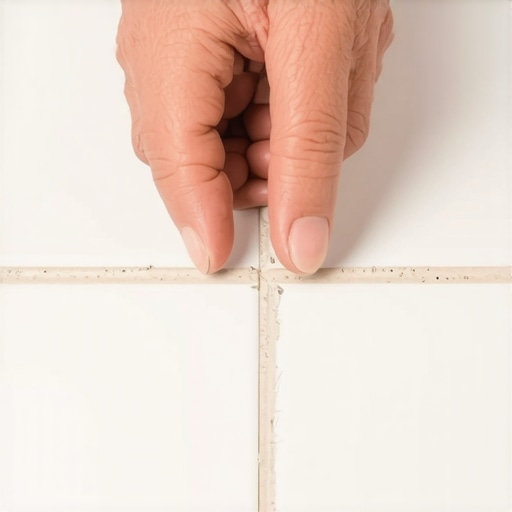
Why Your Shower Wall Grout is Crumbling into the Tray
I have spent twenty five years on my knees with a trowel in one hand and a moisture meter in the other. I have seen every shortcut taken by every fly-by-night contractor who thinks a shower is just a box with tile on it. Most guys skip the leveling compound and the proper substrate preparation. They think the underlayment or the tile itself will hide the dip or the movement in the wall. It will not. I spent three days grinding concrete and sistering studs on a job last month just so the floor and walls would not click like a castanet or shed grout like a snake sheds skin. When you see grout crumbling into your shower tray, you are not looking at a cosmetic issue. You are looking at a structural failure. It is the final cry of a substrate that was never meant to hold weight or resist moisture in the first place.
The hidden physics of wall deflection
Grout crumbles when the shower wall substrate flexes beyond its elastic limit. Ceramic and porcelain tiles are rigid, and the grout between them is even more brittle. If the wall studs are spaced too far apart or if the cement board is too thin, the entire assembly will bow when you lean against it. This movement, known as deflection, is the primary cause of grout failure. Most installers ignore the L/360 standard, which dictates that a floor or wall should not bend more than the length of the span divided by 360 under a standard load. When a wall moves, the grout is squeezed or stretched. Since grout has almost no tensile strength, it simply turns back into sand and falls into the drain.
“A floor is only as good as the subfloor beneath it; deflection is the enemy of every joint.” – Master Flooring Axiom
The chemistry of the over washed joint
Poor grout consistency and improper cleaning during installation destroy the crystalline structure of the cement. Many installers make the mistake of using too much water when mixing the grout because it makes it easier to spread. This is a fatal error. Excess water occupies space in the wet mixture. As the grout dries, that water evaporates, leaving behind microscopic voids. These pores make the grout soft and chalky. Furthermore, if an installer uses a soaking wet sponge to wipe the tile, they pull the cement paste out of the top layer of the joint. You are left with a row of sand that has no binder. It might look good for a week, but the first time the shower gets hot, the thermal expansion will turn that weak sand into dust.
Why your substrate is lying to you
Using moisture sensitive materials like greenboard or standard drywall behind tile leads to inevitable grout disintegration. I have seen countless showers where the installer used water resistant drywall thinking it was enough. It is not. Drywall is made of gypsum and paper. Even the green variety will eventually absorb moisture vapor that travels through the grout. Once that gypsum gets damp, it loses its structural integrity and turns into a soft mush. The tile then begins to vibrate and move with every touch. You might try to regrout the area, but you are just putting a bandage on a gunshot wound. If the substrate is soft, the grout will never stay. You need a cementitious backer unit or a high density foam board that is chemically bonded with a waterproof membrane to ensure the wall stays rigid.
| Grout Type | Flexural Strength | Moisture Resistance | Best Application |
|---|---|---|---|
| Sanded Grout | Low | Medium | Joints wider than 1/8 inch |
| Unsanded Grout | Very Low | Medium | Polished marble and thin joints |
| High Performance Cement | High | High | Residential heavy use showers |
| Epoxy Grout | Maximum | Maximum | Steam rooms and commercial kitchens |
The mistake of the unsealed curb
Water wicking through the shower curb causes the base of the wall to expand and crack the grout. The curb is the most common point of failure in any shower. If the installer nailed the cement board into the top of the curb, they created dozens of holes in the waterproofing liner. Water gets into those holes, swells the wood framing underneath, and the resulting movement cracks the grout at the floor to wall transition. Professional installers use a solid piece of stone for the curb top and never use mechanical fasteners on horizontal surfaces. We rely on high quality thinset chemistry to hold everything together. If your grout is specifically failing at the bottom six inches of the shower, you likely have a saturated curb that is slowly rotting the framing of your house.
- Verify that the wall studs are 16 inches on center or less.
- Ensure the thinset coverage on the back of the tile is at least 95 percent.
- Check that a 1/8 inch expansion gap was left at all inside corners.
- Test the grout with a fingernail; it should feel like stone, not chalkboard.
- Confirm that a waterproof membrane like Kerdi or Hydro Ban was used.
The role of thermal expansion in wet environments
Shower walls expand and contract rapidly when exposed to hot water, placing immense stress on the grout lines. When you turn on a hot shower, the tiles expand. If the installer did not leave a movement joint at the corners, the tiles will push against each other. This is called tenting or compression failure. Instead of the tile breaking, the grout is often sacrificed. It gets crushed and falls out in chunks. This is why the Tile Council of North America requires the use of 100 percent silicone caulk in all change of plane joints. If your corners are grouted instead of caulked, they will crack. It is a law of physics. The materials need room to breathe, and cement grout does not breathe. It only breaks.
“Failure to provide for movement joints is the most frequent cause of ceramic tile installation failure.” – TCNA Handbook for Ceramic, Glass, and Stone Tile Installation
Technical requirements for a lasting wet area
A successful shower installation requires an ANSI A118.15 improved modified thinset and a grout with low absorption rates. The chemistry of the bond is what prevents the vibration that leads to grout loss. Cheap, builder grade thinset does not have the polymer content to withstand the constant wet and dry cycles of a modern shower. You need a mortar that forms a chemical bond, not just a mechanical one. This creates a monolithic structure that moves as one unit. When the tile, mortar, and substrate are all locked together, the grout is under much less stress. If you use a high performance grout with integrated sealers, you also prevent the water from reaching the substrate in the first place, which keeps the whole system dry and stable for decades.