The ‘Drip Test’ for Checking Your Shower Pan Liner for Pinholes
I spent three days grinding concrete on a job last month just so the floor wouldn’t click like a castanet. Most guys skip the leveling compound. They think the underlayment will hide the dip. It won’t. I have seen the same corner-cutting attitude in shower installations where installers treat the waterproof membrane like an afterthought. I once walked into a luxury remodel where the owner spent twenty thousand dollars on marble, only to have the entire subfloor rot out because they did not perform a simple flood test. That laziness ruins more homes than termites ever could. If you are not testing your shower pan liner for pinholes, you are essentially gambling with the structural integrity of your home. A floor is a performance surface, and in a wet environment, it becomes a complex engineering challenge involving hydrostatic pressure and capillary action. One single pinhole in a PVC or CPE liner can migrate gallons of water into your floor joists over a year. This water does not just sit there. It feeds mold, weakens the bond of your thin-set, and eventually causes your floor leveling compounds to crumble into a wet paste. If you want a shower that lasts thirty years instead of thirty months, you must understand the physics of the drip test and the chemistry of the barrier.
The physics of the invisible leak
A shower pan leak often starts as a microscopic failure in the liner or a poorly sealed corner transition. These pinholes allow water to saturate the mortar bed and seep into the wood or concrete substrate below. Identifying these failures requires a controlled flood test to ensure the system is watertight. Water behaves according to the laws of surface tension and gravity. When you have a pinhole, the weight of the water in a filled shower pan creates enough pressure to force moisture through an opening no wider than a needle. This is why we use a mechanical test. You cannot trust your eyes to find a hole in a gray sheet of plastic. You have to use the weight of the water against itself. When we talk about floor leveling in a shower, we are talking about the pre-slope. If the subfloor is not level, your mortar bed will have inconsistent thickness, which leads to uneven drying and potential cracking. These cracks eventually stress the liner. This is the structural reality that most people ignore in favor of picking out pretty tile patterns.
“A floor is only as good as the subfloor beneath it; deflection is the enemy of every joint.” – Master Flooring Axiom
The chemistry of liner materials and failure points
Chlorinated Polyethylene and Polyvinyl Chloride liners are the industry standards for shower waterproofing but they are susceptible to chemical degradation if handled improperly. Solvents found in some cleaning agents or the wrong adhesive can cause the material to become brittle or develop micro-tears over time. Choosing the right material depends on your environment. In high-humidity areas like Florida or the Gulf Coast, the moisture in the air can actually slow the curing of certain adhesives used on the liner seams. If those seams do not cure fully before you flood the pan, the water will find a way through. This is where the drip test proves its value. We are testing the chemical bond of the glue and the integrity of the sheets. Most failures happen at the inside corners or where the liner meets the drain flange. If you do not have a perfectly flat subfloor, the liner has to stretch and contort to fit the dips, which thins the material and creates a weak point. This is why floor leveling is the first step of a shower, not an optional add-on. We use the 1/8 inch rule here. Any dip greater than 1/8 inch over ten feet is a recipe for a structural failure that tile can never hide.
| Material Type | Standard Thickness | Typical Failure Mode | Acclimation Time |
|---|---|---|---|
| PVC Liner | 40 mil | Chemical embrittlement | 24 Hours |
| CPE Liner | 40 mil | Corner puncture | 24 Hours |
| Liquid Membrane | 30 mil dry | Inconsistent application | 12-24 Hours |
| Sheet Membrane | 20 mil | Seam failure | None |
The 24 hour flood test protocol
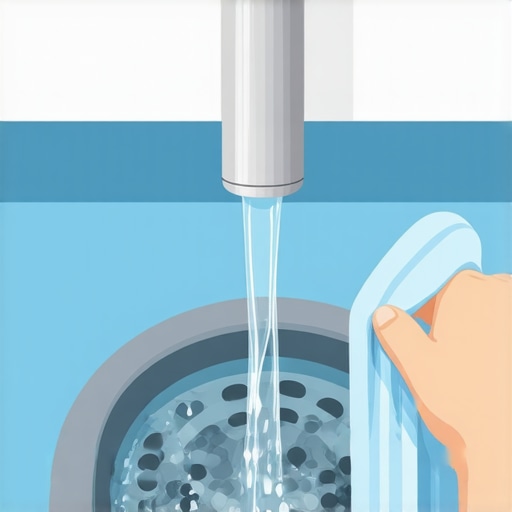
The flood test is a mandatory procedure where the shower drain is plugged and the pan is filled with water to the top of the curb. This water must sit for twenty four hours to verify that no leaks occur at the seams or the drain assembly. If the water level drops even a fraction of an inch, excluding evaporation, you have a failure. You must be methodical. Do not just dump a bucket of water and walk away. You need to mark the water level on the tile flange or the liner itself with a wax pencil. If you see a drop, you have to go into the crawlspace or the room below and look for the telltale signs of moisture. Sometimes a leak does not show up as a drip. It shows up as a damp spot on a joist or a change in the color of the subfloor plywood. This is why we say the subfloor is lying to you. It can hold a lot of water before it starts to drip, masking a problem until it is too late. Here is the checklist you need to follow for a successful test:
- Plug the drain with a mechanical expansion plug, not a rag or tape.
- Fill the pan with water to at least two inches deep or to the top of the curb.
- Mark the exact water level with a non-permanent marker.
- Wait a minimum of 24 hours while keeping the room at a constant temperature.
- Inspect the ceiling below or the surrounding subfloor for any moisture.
- Check the water level against your mark to account for any loss.
Why your subfloor is lying to you
Subfloors made of plywood or oriented strand board can absorb a significant amount of water before they show signs of saturation on the surface. This hidden moisture causes the wood to swell and rot which eventually destroys the bond of your flooring. I have seen laminate floors three rooms away from a shower buckle because moisture was traveling along the subfloor. People think their laminate is bad, but it is actually a shower leak three rooms over. The water travels through the capillary channels of the wood. This is why a proper floor leveling job is so important. If you have low spots, water will pool in those spots under your finished floor and sit there for months. It will not evaporate because the flooring on top acts as a vapor barrier. This creates a petri dish for mold. If you are installing carpet in a bedroom adjacent to a bathroom, you need to be especially careful. Carpet padding is like a sponge. It will suck up any moisture that migrates through the subfloor and hold it against the wood, causing the floor to rot from the inside out. You have to treat the entire floor system as one unit. The shower is the heart of the wet zone, but the veins of that system run through every joist in the house.
“Waterproofing is not a suggestion; it is a structural mandate that protects the entire building envelope from failure.” – TCNA Handbook Standards
The 1/8 inch that ruins everything
Small discrepancies in floor levelness can lead to massive failures in shower pan drainage and liner integrity. A subfloor that is out of level prevents the pre-slope from directing water toward the weep holes in the drain. When water cannot reach the drain, it sits in the mortar bed. This is called a saturated bed. Over time, that water becomes stagnant and begins to smell like rotten eggs. It also puts constant hydrostatic pressure on the liner. If you have a pinhole, that pressure will eventually win. I have spent decades seeing guys try to fix this with more thin-set. You cannot fix a structural levelness issue with thin-set. You need to use a high-quality self-leveling underlayment that is rated for wet areas. Most people want the thickest underlayment for their laminate or carpet, but in a shower context, too much cushion or an unlevel base causes the locking mechanisms on modern flooring to snap under pressure. Everything is connected. A stable, level subfloor ensures the shower pan does not flex. If the pan does not flex, the liner does not tear. If the liner does not tear, your house stays dry. It is a simple chain of events that starts with a level and a bag of compound. Do not be the guy who skips the prep work. The drip test will find your mistakes every single time. It is the only honest part of the job because gravity does not lie.