Why Your Laminate Planks are Gapping at the Short Ends and How to Close Them
I once walked into a house where a homeowner had spent three thousand dollars on high-end laminate only to find that every short end joint in the hallway had separated by nearly a quarter inch. They thought the floor was defective. I looked at the kitchen island and the heavy refrigerator sitting right on top of the floating planks. The floor was pinned. It could not move. When the winter humidity dropped, the material did what physics demanded. It shrank. Because it was locked at one end by a thousand pounds of granite and cabinetry, the planks had to pull from the weakest point. That point is always the short end header joint. I spent the next four hours with a suction cup and a dead blow hammer because someone forgot the basic rule of expansion gaps. Most people think flooring is just a cosmetic skin. It is not. It is a structural engineering system that lives and breathes based on the atmospheric conditions of your home.
The fundamental mechanics of the click lock system
Laminate planks gap at the short ends because the floating floor system has encountered resistance or significant environmental shifts that exceed the tensile strength of the locking mechanism. This failure occurs when the friction between the subfloor and the plank exceeds the strength of the tongue and groove joint. When the HDF core shrinks due to low humidity, the planks pull away from each other if they are pinned by heavy objects or if the subfloor is not sufficiently level. This creates a visible gap that collects dirt and allows moisture to penetrate the core.
The chemistry of the core is the first place to look. Most laminate is composed of High-Density Fiberboard or HDF. This is a composite of wood fibers and phenolic resins pressed under extreme heat. These fibers are hygroscopic. They absorb and release moisture. Even though the surface is a melamine wear layer that resists water, the core is vulnerable at the joints. When the relative humidity in a room drops below thirty percent, the cellulose fibers within the HDF core lose their bound water. This causes the individual planks to shorten. If the floor is installed correctly with a perimeter expansion gap, the entire floor should shift as one unit. Gaps appear when the floor is not moving as a unit. This is often the result of a pinch point, such as a heavy piece of furniture or a transition molding that has been nailed through the floor into the subfloor.
“A floor is only as good as the subfloor beneath it; deflection is the enemy of every joint.” – Master Flooring Axiom
The structural betrayal of an unlevel subfloor
Floor leveling is the most overlooked phase of laminate installation and is the primary cause of joint failure and gapping. A subfloor must be flat within three sixteenths of an inch over a ten foot radius to prevent the planks from flexing. If there is a dip in the subfloor, the plank will bridge that gap. Every time someone walks over that spot, the plank deflects downward. This vertical movement puts immense stress on the short end joints. Over time, this repetitive stress fatigues the locking mechanism until the tongue snaps or the groove wall fails. Once the mechanical lock is compromised, the planks will naturally migrate away from each other during seasonal contraction cycles.
In many cases, I see guys who tried to install laminate over an old carpet install where the tack strips were left behind or the padding was uneven. They think the underlayment will smooth things out. It will not. Underlayment is for sound dampening and minor moisture protection, not for structural correction. If your subfloor is concrete, you must use a self-leveling compound to fill the low spots. If it is plywood, you might need to sand down high spots at the seams. I have seen floors where the installer skipped the leveling and the result was a floor that clicked like a castanet. That clicking is the sound of your locking mechanisms dying. Once they are gone, the gaps are inevitable.
Humidity levels and the cellular expansion of HDF
Maintaining a consistent indoor environment between thirty five and fifty five percent relative humidity is the only way to ensure the dimensional stability of laminate planks. When the air is too dry, the planks contract. When it is too humid, such as the environment near showers or in unventilated basements, the planks swell. If the planks swell and hit a wall because the expansion gap was too small, they will buckle. But if they shrink and are held in place by a heavy bookshelf, they gap. This is why acclimation is not a suggestion, it is a requirement. You cannot take planks from a cold warehouse, bring them into a warm house, and start clicking them together. They need forty eight to seventy two hours to reach an equilibrium with the local atmosphere.
| Material Type | HDF Density (kg/m3) | Acclimation Time | Max Run Length |
|---|---|---|---|
| Standard Laminate | 800-850 | 48 Hours | 30 Feet |
| Premium HDF Core | 850-900 | 72 Hours | 45 Feet |
| Water Resistant Core | 900+ | 72 Hours | 40 Feet |
The friction coefficient and the role of underlayment
While most people want the thickest underlayment, too much cushion actually causes the locking mechanisms on laminate to snap under pressure. A common mistake is using a double layer of foam. This creates a trampoline effect. Every step causes the joints to rub against each other. This friction generates heat and wears down the micro-ridges of the click system. I prefer a high-density rubber or felt underlayment that provides support. It should feel firm, not spongy. A firm base ensures that the energy of the footfall is transferred to the subfloor rather than being absorbed by the delicate tongue and groove joints. If the underlayment is too soft, the short ends will eventually pull apart because they are being flexed past their design limit.
The solution involving PVA glue and specialized tools
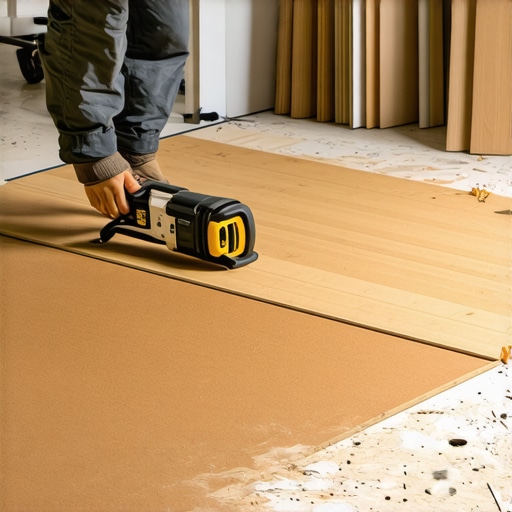
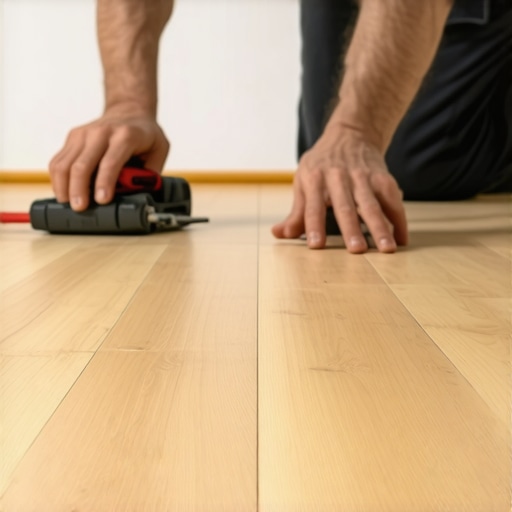
Closing a gap in a laminate floor requires a floor gap fixer tool or a heavy duty suction cup and a specialized PVA wood glue to ensure the joint remains sealed. You cannot just kick the planks back together with your shoes. You risk damaging the surface or stripping the lock further. The process involves cleaning the gap of all debris, applying a small bead of glue into the groove, and using a bridge tool to pull the planks together. The glue acts as a secondary bond to replace the failed mechanical lock. This is a permanent fix that addresses the symptoms, though you must still identify the cause of the restriction elsewhere in the floor.
- Inspect the perimeter to ensure there is a quarter inch expansion gap.
- Remove any heavy furniture that may be pinning the floor.
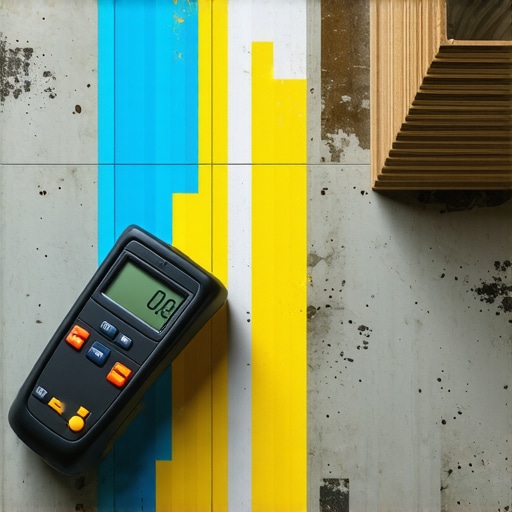
- Check the moisture levels in the room with a hygrometer.
- Clean the dust out of the open gap using a vacuum and a thin pick.
- Apply a small amount of tongue and groove glue to the inner joint.
- Use a suction cup or a gap fixer block to slide the plank back into place.
- Wipe away any excess glue immediately with a damp cloth.
“The integrity of a floating floor is maintained by its ability to move; any restriction is a recipe for a gap.” – Master Flooring Axiom
The ghost in the expansion gap
The most common reason for gapping that people miss is the hidden pinch point. I once spent three hours looking for why a floor was gapping in a living room. I finally found that the homeowner had installed a door stop by drilling a hole right through the laminate and into the subfloor. That one screw acted like an anchor. The floor wanted to shrink toward the center of the room, but the anchor held it. The result was a massive gap three rows away. When you are fixing gaps, you must look at the edges of the room. Check the transitions at the showers and the doorways. If the T-molding is pinched too tight or the baseboards are nailed into the flooring instead of the wall, the floor cannot breathe. You have to free the floor before you can fix the gap. If you do not, the gap will just return next season. It is about the physics of movement. Every plank in that room is connected. If one part is stuck, the whole system fails.