Why Your Floor Leveler Is Turning Into Powder After It Dries
Why Your Floor Leveler Is Turning Into Powder After It Dries
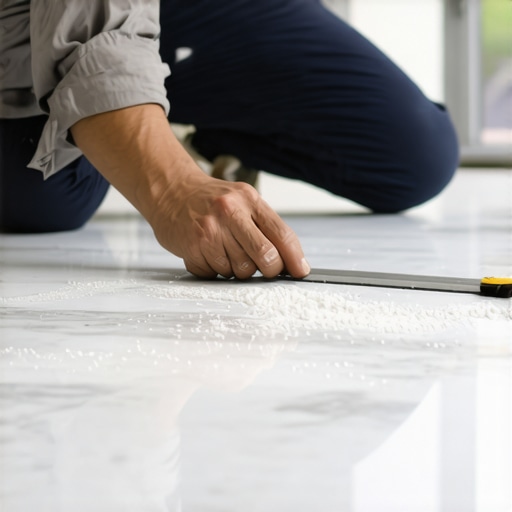
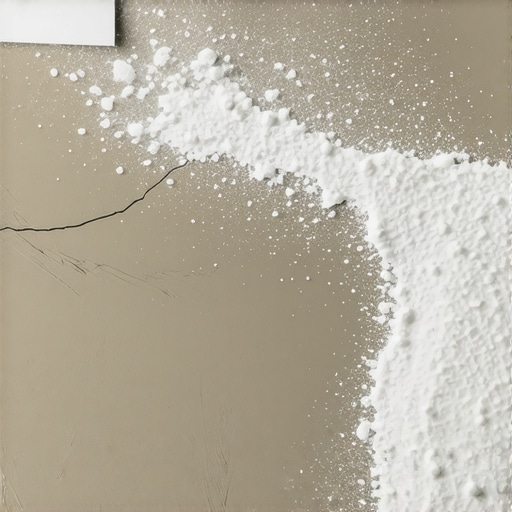
I spent three days grinding concrete on a job last month just so the floor wouldn’t click like a castanet. The guy before me had dumped five bags of self-leveler onto a dusty slab without a drop of primer. By the time I got there, you could sweep the entire floor into a dustpan. The homeowner thought they had a bad batch of cement. The truth was much more painful. They had ignored the basic physics of hydration and the chemistry of the bond. Most guys skip the leveling compound. They think the underlayment will hide the dip. It won’t. If your leveler is turning into a white, chalky mess that you can scratch with your fingernail, you are looking at a structural failure, not a cosmetic one.
The chemical death of a subfloor
Self leveling underlayment fails when the hydration process is interrupted by excessive water or substrate absorption. If the polymer bond does not form correctly, the compressive strength collapses. This results in a powdery surface that cannot support laminate, hardwood, or LVP floor coverings. When the liquid mix hits a porous concrete slab, the dry concrete acts like a sponge. It sucks the moisture out of the leveler before the cement particles can chemically interlock. This leaves the surface starved of the water it needs to reach its rated PSI. You end up with a layer of dust sitting on top of your house.
Water is the secret poison
Mixing ratios for cementitious underlayment are not suggestions. If you add even a half quart of extra water to get a better flow, you destroy the crystalline structure of the cured product. The excess water forces the heavy aggregates to the bottom and pushes the fine, weak particles to the top. This top layer is known as laitance. It looks like the leveler has dried, but it has no structural integrity. It will crumble under the weight of a rolling chair or even a heavy footstep. I see this most often in showers where installers try to level a subfloor before a pan install. They want it to run like water, so they over-water it. It is a recipe for a 1/8 inch thick disaster.
“A floor is only as good as the subfloor beneath it; deflection is the enemy of every joint.” – Master Flooring Axiom
Why your primer matters more than the mix
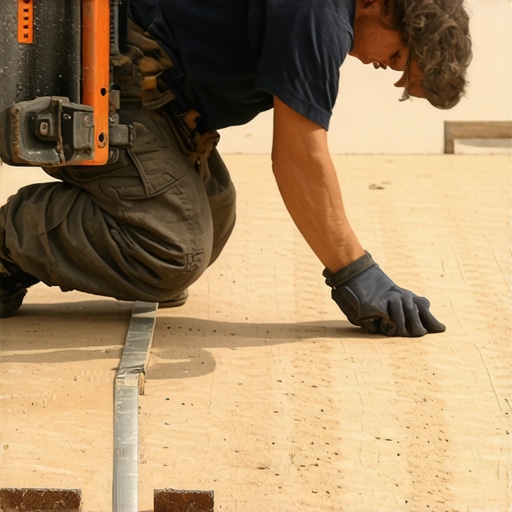
Substrate primer is the most overlooked component of a floor leveling project. Its job is to seal the pores of the concrete and create a mechanical bond for the leveler. Without primer, the air inside the concrete slab escapes as the leveler settles. This creates pinholes. More importantly, the lack of primer allows the slab to rob the leveler of its hydration water. You must apply primer until the concrete stops drinking it. In dry regions like Phoenix, I have seen slabs take three coats of primer before they were ready. If you skip this, the leveler will dry too fast and turn to powder. It is that simple. The primer is the glue that keeps your floor from floating away as dust.
| Mix Factor | Ideal State | Failure Result |
|---|---|---|
| Water Ratio | Exact Milliliters | Powdering and Laitance |
| Primer | Two Coats | Bond Failure |
| Mixing Speed | 650 RPM | Pinholes and Weakness |
| Substrate Temp | 65 to 75 Degrees | Flash Set and Cracking |
The ghost in the expansion gap
Expansion gaps are the lungs of your flooring system. When you pour leveler, you must maintain a perimeter isolation strip. If the leveler bonds directly to the drywall or the wall studs, it has nowhere to go when the house shifts. The internal tension can cause the leveler to micro-crack. These cracks eventually turn the edges of the pour into powder. I have walked into carpet install jobs where the tack strips were pulling chunks of leveler right out of the ground because the installer didn’t leave a gap. The floor is a living thing. It moves. If you lock it in place with a brittle leveler, something is going to break. Usually, it is the leveler itself.
High speed mixing ruins everything
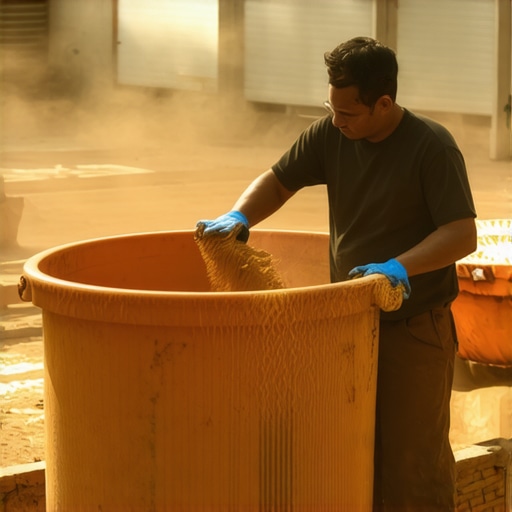
Mixing paddles should never be run at full speed. When you use a high-RPM drill, you whip air into the calcium aluminate mix. This creates a froth. Once you pour that froth onto the floor, the air bubbles rise to the surface. As they pop, they leave behind a honeycomb structure. A honeycomb is not a solid floor. It is a series of tiny voids. These voids collapse the moment you walk on them, creating that fine white powder people complain about. You need a slow, steady mix. You want a vortex, not a whirlpool. If you see foam on top of your bucket, you have already failed. Use a gauge rake to move the material, but do not over-work it. The more you mess with it, the weaker it becomes.
“Standard subfloor flatness requires no more than 3/16 of an inch deviation over 10 feet for most hardwood installations.” – NWFA Technical Standards
The 1/8 inch that ruins everything
Floor flatness is measured in small increments, but the chemistry happens at the molecular level. If your leveler is too thin, it cannot support its own weight. Most self-levelers have a minimum thickness requirement of 1/8 inch. If you try to feather it out to nothing, the thin edges will lack the polymer density to stay bonded. They will curl up like a potato chip and turn to dust. I always tell my guys to over-pour and then grind back if needed. A thick, solid pour is always better than a thin, weak one. This is especially true when prepping for laminate which relies on a dead-flat surface to prevent the tongue and groove joints from snapping.
The humidity factor in the dry desert
The evaporation rate in places like Phoenix or Las Vegas can kill a floor leveler before it even sets. If the air is too dry, the water leaves the top of the leveler before the bottom has finished hydrating. This creates a crust. Underneath that crust, the cement is still soft. Once the crust breaks, the whole thing turns to powder. In these climates, you must control the environment. Close the windows. Turn off the HVAC. You need to keep the moisture in the room until the chemical reaction is complete. It is the same logic used in curing high-performance concrete bridges. You cannot let the water escape too early. If you do, you are just pouring expensive dirt on your floor.
- Vacuum the slab twice to remove every grain of dust.
- Use a dedicated mixing barrel to ensure no old residue remains.
- Measure water with a graduated cylinder for laboratory precision.
- Apply primer until the slab stops drinking the liquid.
- Maintain a consistent room temperature to prevent flash drying.
Expired bags and the chemistry of shelf life
Cementitious products have a shelf life. Most people do not look at the date codes on the bags. If a bag has been sitting in a humid warehouse for six months, the polymers inside begin to clump. The calcium aluminate cement starts to react with the moisture in the air. By the time you mix it, the chemical potential is gone. The leveler might look okay in the bucket, but it will never reach full strength. It will stay soft. It will turn to powder. I never buy leveler from big-box stores that keep their pallets outside. I go to a dedicated flooring supply house where the inventory moves fast. You want fresh powder if you want a solid floor.