Why Your Subfloor Primer is Bubbling and How to Fix It Fast
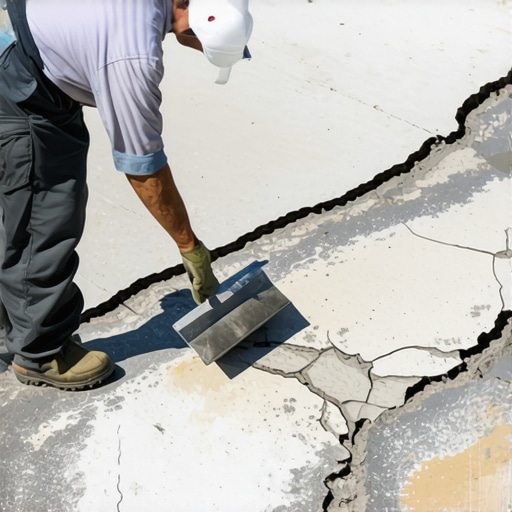
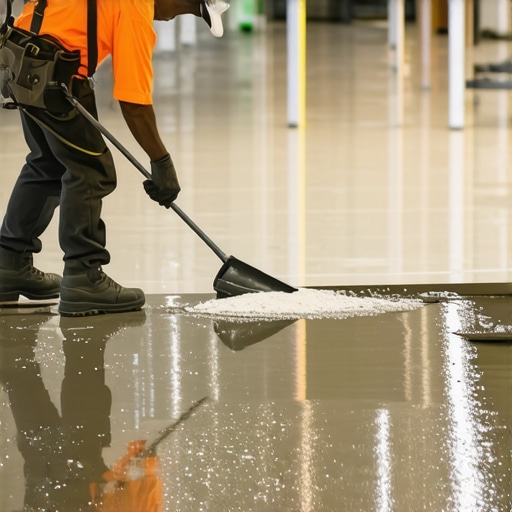
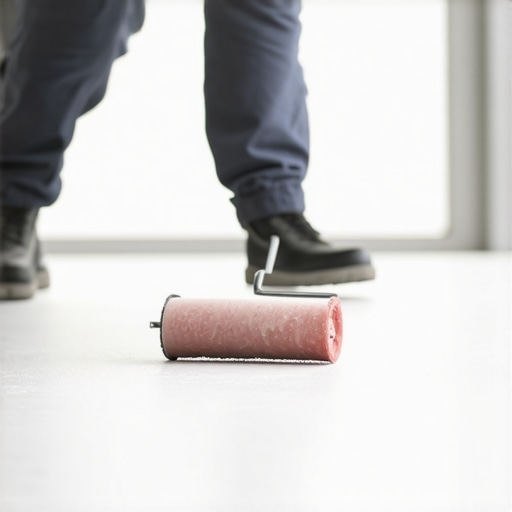
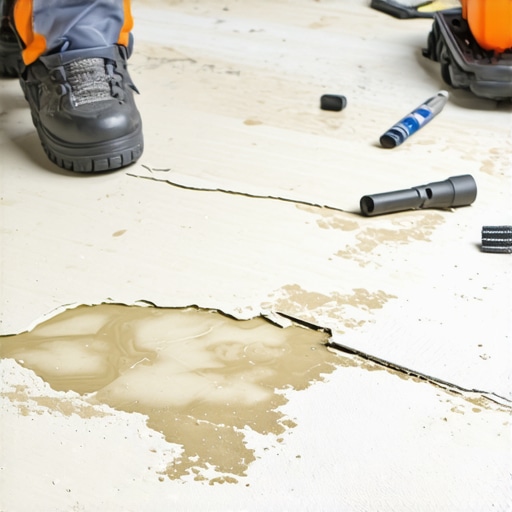
Most guys skip the leveling compound. They think the underlayment will hide the dip. It won’t. I spent three days grinding concrete on a job last month just so the floor wouldn’t click like a castanet. I walked into the room and saw the primer looking like a field of tiny blisters. The general contractor wanted me to just pour the self-leveling underlayment over it. I told him he was out of his mind. If that primer isn’t bonded, the whole floor is a floating failure waiting to happen. You cannot build a castle on a swamp, and you cannot install a high-end floor on a bubbling primer. This is the reality of subfloor prep. It is dirty, it is technical, and it is the only thing that actually matters in the longevity of your installation.
The microscopic physics of the substrate
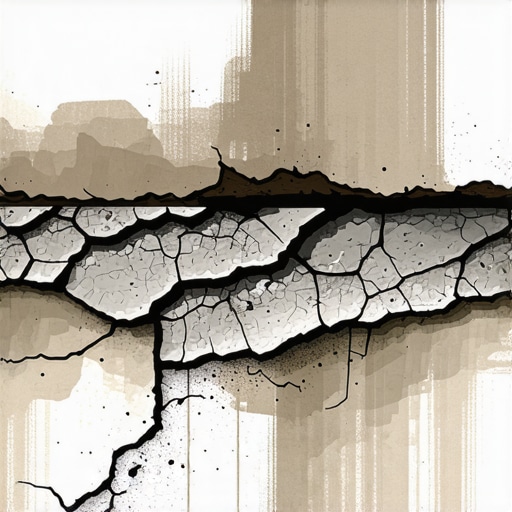
Subfloor primer bubbling occurs when trapped air or moisture in the concrete pores expands and pushes through the wet primer film. This phenomenon, often called outgassing, happens most frequently when the ambient temperature rises or when the slab has high moisture vapor emission rates. Concrete is a porous material, much like a hard sponge. When you apply a liquid primer, you are essentially trying to displace the air inside those pores with a resin or acrylic binder. If the primer dries too quickly on the surface, the air beneath it has nowhere to go but up, creating a bubble. This is not just a cosmetic issue. Each bubble represents a point of total bond failure. If you pour five hundred pounds of self-leveler over a bubbled primer, the weight and tension of the leveler as it cures will pull that primer right off the slab. You will hear a hollow sound every time someone walks across the finished laminate or carpet install.
Why outgassing ruins a perfect pour
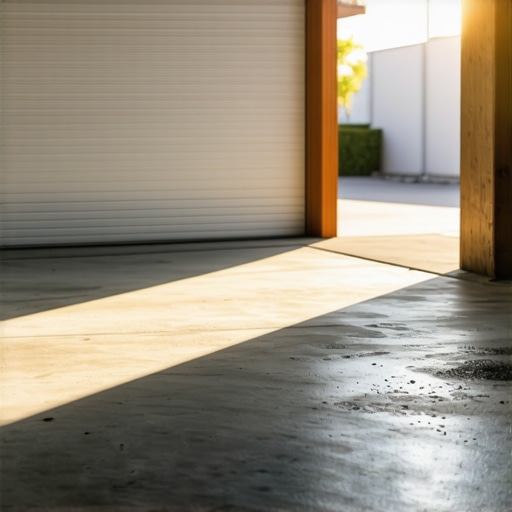
Outgassing is the process where air trapped within the concrete capillaries escapes due to changes in barometric pressure or temperature. To prevent this, you must understand the Concrete Surface Profile or CSP. A slab that is too smooth, like power-troweled concrete, has closed pores. When you apply primer to a power-troweled slab, it sits on the surface rather than penetrating. The air underneath gets heated by the chemical reaction of the primer or the sun hitting the slab, and it expands. I always tell my crew that if the concrete looks like a garage floor you could slide a hockey puck on, it is not ready for primer. You need to open those pores. Mechanical grinding is the only way to ensure the primer can actually dive into the substrate. Acid etching is a relic of the past that introduces too much water into the system, which leads to even more bubbling later on.
“A floor is only as good as the subfloor beneath it; deflection is the enemy of every joint.” – Master Flooring Axiom
The chemical rejection of industrial adhesives
Bubbling is frequently caused by chemical incompatibility between the primer and residual contaminants like old carpet glue or wax. If you are doing a carpet install and pull up the old padding only to find a sticky yellow residue, you cannot just prime over it. Most modern primers are water-based acrylics. If they hit an oil-based adhesive residue, they will bead up or bubble due to surface tension issues. You are essentially trying to mix oil and water on a molecular level. This rejection creates weak spots in the film. I have seen guys try to use a floor leveling compound over