The ‘Shim’ Trick for Stopping Johannesburg Portable Dance Floor Hire from Wobbling on Grass
The ‘Shim’ Trick for Stopping Johannesburg Portable Dance Floor Hire from Wobbling on Grass
Imagine the scene: a stunning sunset over a manicured garden in Sandton, the fairy lights are twinkling, and the bride and groom take center stage for their first dance. But as they step onto the floor, the panels tilt, a corner dips, and a visible “bounce” ripples through the surface. It is the ultimate nightmare for any event organizer. My name is Phindile Maureen, and at Table Art Event Hire, I have seen firsthand how the beautiful but unpredictable terrain of Johannesburg can turn a high-end dancefloor into a safety hazard. Whether you are hosting a corporate gala in Midrand or a wedding in the rolling hills of Muldersdrift, the enemy of a perfect event is an unstable foundation.
Johannesburg’s Highveld gardens are notorious for their uneven lawns and hidden dips. Even the most well-maintained grass can be deceptive. When you opt for dance floor hire Johannesburg, you aren’t just renting panels; you are renting an experience that depends entirely on the ground beneath it. The “shim trick” is a professional secret we use to combat the “wobble,” ensuring that your guests stay on their feet and your event remains a sophisticated success. In this guide, I will walk you through why our local soil is so tricky and how to master the technical stabilization methods used by the pros.
Why Johannesburg Grass is a Challenge for Portable Flooring
The geography of Gauteng presents unique challenges for event flooring hire. Our region is famous for its “Highveld” climate, which creates two distinct types of terrain challenges depending on the season. In the dry, frosty winters, the ground becomes rock-hard and brittle. Any existing divots or “dead spots” in the grass are unforgiving. Conversely, during our lush, rainy summers, the soil becomes soft and spongy. When a group of a hundred people starts dancing, the weight distribution shifts, causing the panels of a portable dance floor hire to sink into the mud at different rates.
This leads to the dreaded “panel lip” effect. Most professional portable dance floor hire systems use interlocking panels, typically 1m x 1m or 1.2m x 1.2m. These panels are engineered to be heavy and durable – often made of high-density plastic or treated wood – to withstand the rigors of dancing. However, because they are rigid, they act as a mirror to the ground beneath them. If there is a 5mm dip in your lawn, the panel will bridge that gap until weight is applied, at which point the panel snaps down, creating a trip hazard where it meets the adjacent, stable panel.
Standard event flooring hire panels are designed for flat surfaces like hotel ballrooms or paved patios. When we move these systems onto the grass, we are fighting physics. The “wobble” isn’t just annoying; it puts stress on the interlocking “tongue-and-groove” or cam-lock mechanisms. Over time, this can actually damage the flooring. For those of us in the Johannesburg event industry, we know that a “good enough” installation is never enough – stability is the baseline for luxury.
The ‘Shim’ Trick: The Professional Secret to Stability
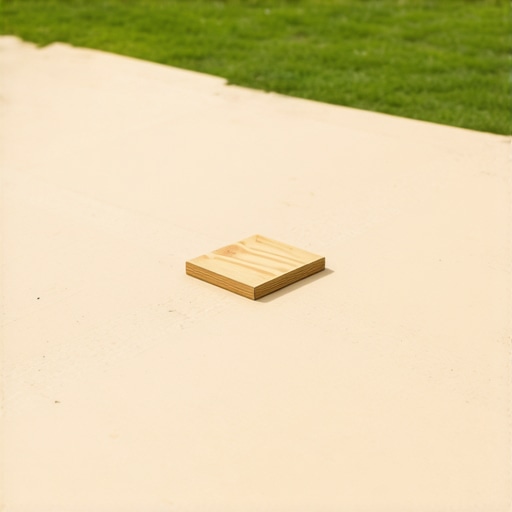
The “Shim Trick” is the most effective way to stabilize a floor without the massive expense of building a full wooden deck over the grass. A shim is a thin, tapered wedge of material – usually wood or specialized plastic – used to fill small gaps and create a level surface. While this might sound like something out of a carpentry workshop, it is the backbone of successful dance floor hire Johannesburg.
When we encounter a “void” or a “soft spot” under a panel, we don’t try to level the whole garden. Instead, we use the shim to support the specific point of failure. This is very similar to The ‘Plywood Shim’ Strategy for Leveling Low Spots in Old Houses. Just as you would level a subfloor in a vintage Parktown home, you must treat the lawn as a subfloor that requires localized correction.
Step-by-Step Implementation of the Shim Trick:
- Identify the Void: Once the first few panels are laid, walk across them. If you feel a “bounce” or hear a hollow thud, you have found a gap between the panel and the grass.
- Slide the Shim: Lift the edge of the panel slightly and slide the shim into the gap. You want to place the shim directly under the joint where two panels meet, as this is the weakest point.
- Test for Stability: Step back onto the panel. If the movement has stopped, you have successfully transferred the load from the panel to the ground through the shim.
- Trim if Necessary: Ensure no part of the shim is sticking out from under the dancefloor, as this could be a trip hazard or an eyesore.
The key instruction here is that you are not trying to lift the entire floor into the air. You are merely providing a “pillar” of support for the joints. If you over-shim, you create a “high point,” which causes the panels to rock in the opposite direction – a mistake we call the “teeter-totter” effect.
Essential Tools for a Level Outdoor Dance Floor
To execute the shim trick correctly, you need more than just a pile of wedges. Professional installers who provide event flooring hire come prepared with a specific toolkit designed to fight the unevenness of the Gauteng landscape. Before the first panel even touches the grass, we recommend mapping out the area.
A great way to do this is by using The ‘String Line’ Method for Finding Dips in Your Plywood Subfloor. By stretching a tight string across the area where the dance floor will be placed, you can visually identify the significant dips in the lawn before you begin. This allows you to pre-place shims or even use a bit of sand to fill major holes, saving hours of adjustment later.
Your Essential Toolkit:
- A Long Spirit Level: At least 1.2 meters long to match the width of the panels. This ensures you aren’t just level locally, but across the entire span.
- A Rubber Mallet: Used to gently tap panels into their locking mechanisms without cracking the surface.
- Variable Thickness Shims: Have a variety of thicknesses (1mm to 5mm) ready.
- A High-Powered Torch: We often use The ‘Flashlight’ Trick for Finding Invisible Dust Before Tiling, but in an event context, we use the light at a low angle to spot small pebbles or twigs on the grass that could cause a panel to sit awkwardly.
By being meticulous with your tools, you ensure that the portable dance floor hire looks as if it were built into the ground rather than just thrown on top of it. A level floor is a safe floor, and in the world of high-stakes events, safety is the ultimate luxury.
Wedding-Specific Considerations: The White Dance Floor
For many couples in Johannesburg, wedding dance floor hire is synonymous with the “White Wedding” aesthetic. A white dance floor hire is incredibly popular because it creates a clean, modern look that reflects the overhead lighting and makes the floral arrangements pop. However, white floors are the most demanding when it comes to leveling.
Because the surface is a high-gloss, uniform color, any “lip” or misalignment between panels creates a shadow. Under the bright lights of a wedding photographer’s flash, these shadows look like cracks or dirty lines across the floor. We often use The ‘Shadow Test’ for Spotting Uneven Tile Lips in Your Shower as a technical comparison. By shining a light across the surface of the white dance floor hire, we can see exactly where a panel is sitting even a fraction of a millimeter too high. If there is a shadow, we use the shim trick to adjust the height until the surface is perfectly flush.
Furthermore, white floors are often made of acrylic or high-gloss vinyl. These materials can be more slippery than wood, making stability even more critical. If a guest slips on a stable floor, it’s an accident; if they trip because a panel moved, it’s an infrastructure failure. When you are planning your big day, ensure your provider understands the visual and physical stakes of a white dancefloor on grass.
When to Use Sub-Flooring vs. Direct-to-Grass
There are times when the shim trick simply isn’t enough. If your Johannesburg venue has a significant slope – common in the hilly suburbs of Northcliff or Bedfordview – you may need more than just wedges. For exhibition flooring hire or large-scale corporate events, we often recommend a full plywood sub-base.
The professionals at portablefloors.co.za will typically assess the “slope” of the garden during a site visit. If the gradient is more than a few degrees, laying panels direct-to-grass will result in a floor that feels like it’s sliding away from the guests. In these cases, a sub-floor of interlocking plastic tiles or a timber frame is installed first. This provides a perfectly flat “false floor” upon which the decorative dance floor can be placed.
Direct-to-grass installation with shims is perfect for:
- Flat lawns with minor divots.
- Short-duration events (1-2 days).
- Smaller dance floors (under 25 square meters).
Sub-flooring is required for:
- Sloped terrain.
- Long-duration events where grass might grow or soil might settle.
- High-traffic exhibition flooring hire where heavy equipment is present.
Common Mistakes to Avoid
Even with the best intentions, DIY stabilization can go wrong. One of the most common mistakes we see is “over-shimming.” If you put too much height under one corner, you create a pivot point. The panel will be stable when you stand on that corner, but as soon as you move to the center, the entire panel will tilt. This is why the shim trick must be done incrementally, checking the level after every adjustment.
Another mistake is ignoring moisture. Johannesburg’s afternoon thundershowers can turn a stable lawn into a marsh in minutes. If your event flooring hire is sitting directly on the grass, moisture can seep up through the joints. This is where foundation matters. If the ground is too wet, the shims will simply sink into the mud, rendering them useless. In these cases, the stability of your floor is much like Why Your Self-Leveling Underlayment is Sticky and Won’t Cure – if the chemical or physical environment isn’t right, the result will never be solid.
Finally, never use “soft” materials as shims. We have seen people try to use folded cardboard or carpet scraps. These materials compress under the weight of dancers, meaning the floor will start level but will become “wobbly” within an hour of the party starting. Always use rigid wood or plastic shims to ensure a permanent fix for the duration of your event.
Conclusion & Call to Action
A successful event in Johannesburg depends on the details that guests never see. While they will remember the music, the food, and the décor, they will only notice the dancefloor if something goes wrong. By using the “Shim Trick” and understanding the unique challenges of our Gauteng terrain, you can ensure a stable, safe, and professional surface for any occasion.
Don’t leave your event’s safety to chance. Whether you need a classic wooden look or a stunning white dance floor hire, professional installation is the key to a wobble-free night. For the most reliable dance floor hire Johannesburg has to offer, contact the experts at portablefloors.co.za. Let us handle the technical stabilization so you can focus on the celebration. Reach out today for a quote and ensure your next event stands on solid ground.