The ‘Screwdriver’ Trick for Checking Carpet Padding Density
Most guys skip the leveling compound. They think the underlayment will hide the dip. It won’t. I spent three days grinding concrete on a job last month just so the floor wouldn’t click like a castanet. That job taught me that every flooring failure starts with the arrogance of ignoring the subfloor. My hands still smell like WD-40 and fresh oak dust from the transition strips I had to custom mill for that mess. Carpet padding is not just a soft layer for your toes. It is a structural component designed to absorb the kinetic energy of every step you take. When you choose a builder grade pad, you are essentially putting a high performance engine on a frame made of cardboard. I have seen the results. I have seen the tears when a ten thousand dollar carpet starts to ripple and delaminate after eighteen months because the homeowner saved two hundred bucks on the padding density. This is about physics. This is about the chemistry of polyurethane foam and the specific gravity of the materials under your feet.
The subfloor secret no one tells you
The secret to a long lasting floor is the rigid preparation of the subfloor and the density of the padding used to mitigate friction. A perfectly level subfloor ensures that the padding does not experience uneven compression which leads to premature foam cell fatigue and structural carpet failure. If you walk into a room and feel a dip, the padding is already working ten times harder than it was designed to. I have spent decades analyzing how carpet install projects go wrong. Most of the time, the installer failed to address the floor leveling. They assume the pad will act as a bridge. It does not. The pad follows the contour of the concrete or plywood. If the subfloor is uneven, the carpet back will rub against the pad like sandpaper. This creates heat and friction. Eventually, the latex glue holding the carpet together turns to powder. You get ripples. You get holes. You get a replacement bill you didn’t plan for.
The structural physics of a simple screwdriver
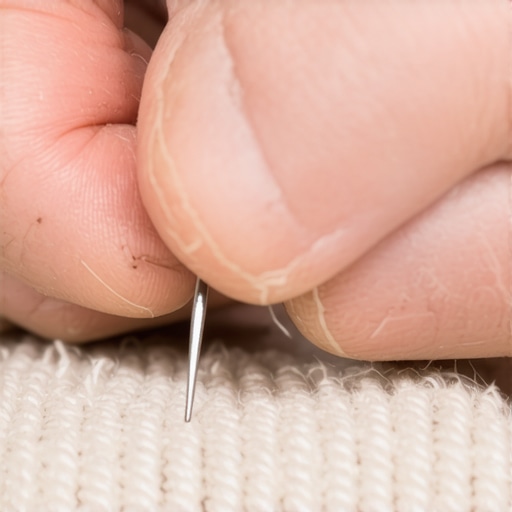
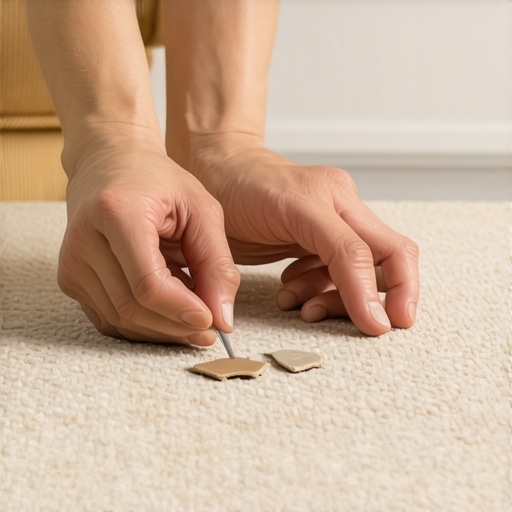
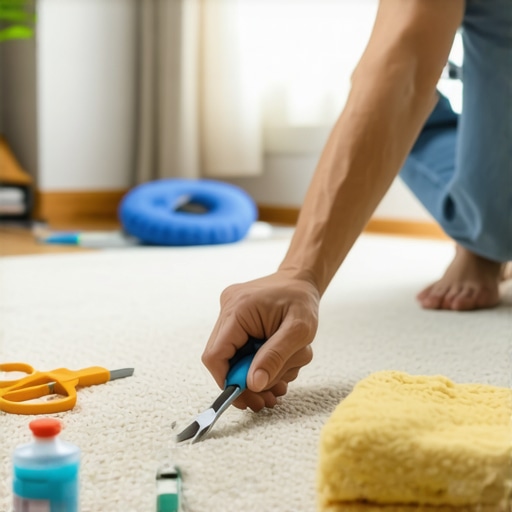
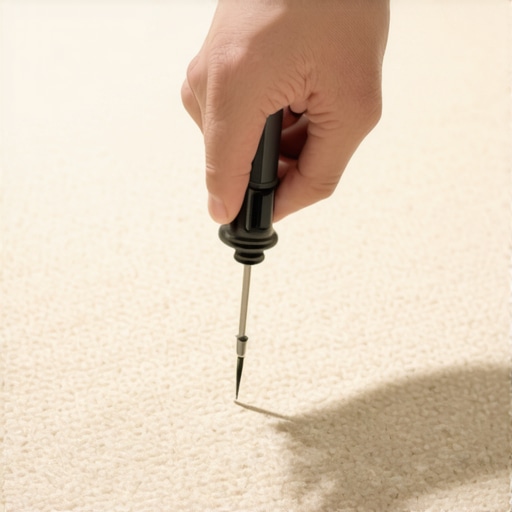
The screwdriver trick for checking carpet padding density involves pressing a standard flathead tool into the foam to observe the resistance levels and the rate of rebound. This physical test determines if the padding has the structural integrity to support weight without bottoming out against the hard subfloor below. When I walk onto a job site, I do not look at the color of the carpet. I look at the padding rolls. I take my screwdriver and press the handle into the pad. If the handle sinks straight to the floor with little resistance, the pad is junk. A high density pad, like an 8lb or 10lb rebond, will fight back. You want to see the foam push the tool back up the moment you release the pressure. This is called compression set resistance. In the world of carpet install, this is the difference between a floor that lasts twenty years and one that feels like walking on a wet sponge within two. I have used this trick from the humid basements of Chicago to the dry high rises of Denver. The physics do not change based on your zip code. If the cells of the foam are too large and filled with air, they will burst. Once they burst, the pad is dead.
“A floor is only as good as the subfloor beneath it; deflection is the enemy of every joint.” – Master Flooring Axiom
Why cheap foam is a slow motion disaster
Cheap carpet padding is manufactured with low density polyurethane that lacks the molecular cross linking required to withstand repeated heavy foot traffic over several years. This material will eventually flatten into a thin and useless membrane that offers zero protection for the carpet backing or the subfloor. When you look at a cross section of cheap rebond padding, you see large chunks of foam with big air gaps. These gaps are your enemy. When you step on them, the air is forced out and the plastic walls of the foam are stretched to their limit. High density padding uses smaller chips and more binder. The binder is a chemical glue that holds the foam together. A 10lb pad has more binder and more foam per cubic foot. It is heavy. It is dense. It is difficult to cut. That is why cheap installers hate it. They want the light stuff that they can toss around. Do not let them. If you are doing a carpet install, you demand at least an 8lb pad. If you are putting it on stairs, go higher. Stairs take the most abuse. A cheap pad on a staircase is a tripping hazard waiting to happen because the carpet will eventually slide off the nose of the tread.
The 1/8 inch that ruins everything
A variance of more than one eighth of an inch in your subfloor can cause the locking mechanisms on laminate to snap or the padding under your carpet to wear unevenly. Precision in floor leveling is the only way to ensure that your finished surface remains stable and visually appealing. I remember a job where the homeowner wanted to install laminate in a room that transitioned into a shower area. They didn’t think the floor leveling mattered because they were using a thick underlayment. They were wrong. Within six months, the laminate joints were opening up. Moisture from the shower area was seeping into the gaps. The underlayment was acting like a sponge, holding the water against the core of the laminate. It swelled up like a bloated tick. If they had leveled the floor and used a proper moisture barrier, that floor would still be there. Instead, I had to tear it all out. Use a straight edge. Check your floors. If you find a hump, grind it down. If you find a dip, fill it with a high quality self leveling compound. Do not trust the padding to do the work of a mason.
| Padding Type | Typical Density | Durability Rating | Best Application |
|---|---|---|---|
| Rebond Foam | 6lb to 10lb | High | Residential Living Rooms |
| Prime Foam | 3lb to 5lb | Low | Low Traffic Bedrooms |
| Frothed Foam | 12lb+ | Extreme | Commercial Corridors |
| Fiber Pad | N/A | Medium | Berber and Natural Rugs |
The chemistry of moisture and the shower transition
Managing the transition between carpeted areas and wet zones like showers requires a deep understanding of vapor barriers and the alkalinity of concrete subfloors. Failure to seal these transitions leads to mold growth within the padding and the eventual rot of the carpet fibers. Water is a persistent traveler. It moves through capillary action. If you have a shower that is not properly waterproofed according to TCNA standards, that water will find the carpet padding. Most padding is treated with an antimicrobial agent, but that agent has a lifespan. Once the moisture saturates the foam, it creates a dark, warm environment. This is heaven for mold. I have pulled up carpet near bathrooms that looked fine on top but was a black forest of fungus underneath. This is why I insist on a perimeter seal at every transition. Use a high quality silicone or a specialized transition strip. Never trust a simple tack strip to hold back the tide of a daily shower. The chemistry of the adhesives used in carpet install can also be affected by the pH of the concrete. If the concrete is too alkaline, it will eat the glue. Your carpet will move. Your pad will shift. The screwdriver test won’t save you if the floor is literally dissolving your installation from the bottom up.
Carpet install failures you can avoid
Successful carpet install projects require a checklist of technical steps that go beyond the simple act of stretching the fabric over the tack strips. Each step from moisture testing to density verification plays a role in the longevity of the performance surface. I have a list of things I check before I even bring the carpet into the house. If the installer skips these, fire them. They are not professionals. They are laborers. There is a difference. A professional understands the Janka scale for the hardwood in the next room and the moisture vapor emission rate of the slab. They know that a floor is an ecosystem. If one part fails, the whole thing goes. This is especially true with modern radiant heat systems. You cannot just throw any pad over a heated floor. You need to check the R-value. If the pad is too thick, it will trap the heat and ruin your boiler. It might even melt the padding. I have seen it happen. It smells like a chemical fire and it is a nightmare to clean up.
- Test the subfloor moisture content using a calcium chloride kit or a digital meter.
- Verify that the floor leveling compound has fully cured and has a compressive strength of at least 3000 PSI.
- Use the screwdriver trick to confirm the padding matches the density specified on the invoice.
- Ensure the carpet has acclimated to the home temperature and humidity for at least 48 hours.
- Check that all tack strips are securely anchored to the subfloor with no movement.
“A floor is only as good as the subfloor beneath it; deflection is the enemy of every joint.” – Master Flooring Axiom
The density table for high performance homes
Choosing the correct density for your flooring project is a matter of balancing comfort with the structural requirements of the specific material being installed. High density foam provides the necessary support to prevent the secondary backing of the carpet from stretching and distorting over time. People often think that a thicker pad is a better pad. This is a lie. A 1/2 inch thick pad with a 4lb density is a disaster. It is too soft. It allows the carpet to flex too much. That flexing causes the carpet to stretch. Soon you have ripples that look like waves in the ocean. A 3/8 inch pad with an 8lb density is much better. It is thinner but it is stronger. It supports the carpet. It keeps the backing stable. This is especially important for laminate floors that use a pad underlayment. If the underlayment is too soft, the tongue and groove joints will flex every time you walk on them. Eventually, they will snap. You will hear a clicking sound. That is the sound of your money disappearing. Always go for density over thickness. Your joints and your wallet will thank you later.
Final checks for a permanent floor
I have spent my life on my knees looking at the world from the ground up. I know what works and what is just cheap marketing. The screwdriver trick is a simple way for you to take control of your home. Do not let a fast talking salesman or a lazy installer tell you that padding doesn’t matter. It is the heart of the floor. It is the shock absorber for your house. If you do the work to ensure your subfloor is level and your padding is dense, you will have a floor that stays beautiful for decades. If you cut corners, I will see you in two years when you call me to fix the mess. By then, it will cost twice as much. Do it right the first time. Level the floor. Check the density. Secure the perimeter. This is the only way to build a floor that lasts. Your home deserves a foundation that doesn’t crumble under the weight of a footstep. Use the tools. Trust the physics. Walk on quality.