![Stop Subfloor Sagging: 4 Proven Fixes That Save Money [2026]](https://floorcraftstore.com/wp-content/uploads/2026/01/Stop-Subfloor-Sagging-4-Proven-Fixes-That-Save-Money-2026.jpeg)
It was a shocker the first time I stepped barefoot onto my living room floor and felt that unsettling bounce. The surface wasn’t quite level anymore—those stubborn sags in the subfloor were slowly turning my home into an uneven terrain. Like many homeowners, I brushed it off initially, thinking it was just a minor hiccup. But over time, the problem worsened—doors wouldn’t shut properly, creaking noises became louder, and my flooring looked more uneven than ever. That lightbulb moment made me realize: neglecting subfloor issues could lead to costly repairs down the line.
Why Subfloor Sagging Needs Your Immediate Attention
Subfloor sagging might seem like a minor inconvenience at first, but it’s actually a sneaky problem that can compromise the safety and integrity of your entire home. When the subfloor begins to give way, it affects everything above it—laminate, carpet, tile, or even showers—causing unsightly bumps and an unstable walking surface.
Ignoring these signs can escalate into significant expenses. For example, uneven floors may cause your laminate or carpet to wear out faster, or even lead to cracks and water leaks in showers. According to a 2024 study by the Home Improvement Institute, unresolved subfloor issues can decrease your home’s value by up to 15%, and repairs become exponentially more expensive as the problem worsens.
The good news? There are proven fixes that can restore your floors without draining your budget. I want to share with you the four best methods I used—methods that have saved me money and sleepless nights—and can do the same for you.
But before diving into solutions, I’ll address a common concern…
Is Fixing Subfloor Sagging Really Worth It or Just a Waste of Money?
Early in my DIY journey, I underestimated the importance of early intervention. I remember thinking, “It’s just cosmetic, right?” That mistake cost me more than I’d like to admit—replacing entire sections of flooring and dealing with recurring problems. Trust me, neglecting subfloor issues now can lead to even higher costs later, especially if water damage or structural integrity becomes compromised. For a comprehensive understanding of how to tackle this issue effectively, check out this detailed guide on floor leveling and subfloor repair techniques.
Now, let’s explore the proven fixes that can help you stabilize your home’s foundation and save money in the process.
Evaluate the Damage Clearly
Start by thoroughly inspecting your floor to identify the extent of sagging or unevenness. Use a straight edge or level to assess where the most significant dips occur. Remember, pinpointing the problem spots accurately saves time and resources during repairs.
Remove the Damaged Flooring Pieces
Carefully lift the affected sections of flooring—be it carpet, laminate, or tile. Think of this step as peeling back layers to expose the stubborn problem beneath. For carpet, use a knee kicker to lift edges; for laminate or tile, utilize a pry bar. This exposes the subfloor for precise repair work.
Prepare the Subfloor Surface
Clean the exposed subfloor thoroughly, removing debris, dust, and loose material. Use a vacuum or broom to ensure a smooth, dust-free surface. A clean foundation ensures the new leveling compound adheres properly, much like preparing a canvas before painting.
Apply a Quality Floor Leveling Compound
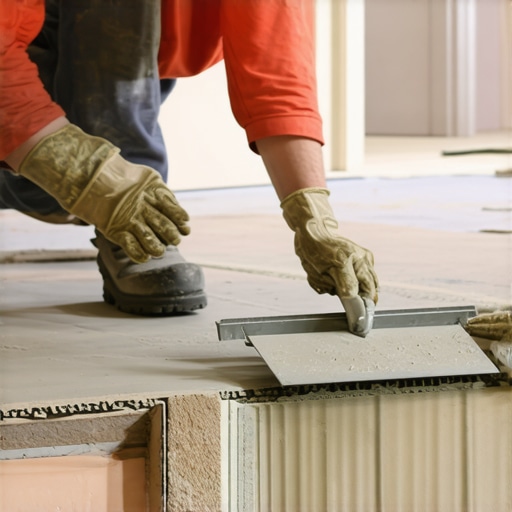
Mix the leveling compound according to manufacturer instructions. Pour or trowel it into the low spots, spreading evenly with a trowel or a screeding tool. Think of this step as evening out the terrain — a smooth, flat surface is key to restoring stability. For large dips, consider using a self-leveling compound for faster, more uniform results. For detailed guidance, check out this comprehensive leveling guide.
Secure and Reinstall Flooring
Once the leveling compound dries completely—typically 24-48 hours—reinstall the flooring material. For carpets, stretch and secure them tightly, avoiding wrinkles. Laminate flooring should be clicked into place carefully, ensuring no gaps. For tiles, reapply grout as needed. Precise reinstallation ensures your floors are level, stable, and ready for regular use.
Protect Your Repair
Finally, use mats, rugs, or sealants to protect against future damage. Keeping an eye on the repaired areas prevents minor issues from escalating into major problems, much like regular maintenance keeps a car running smoothly.
When it comes to home improvements like carpet installation, floor leveling, shower renovations, and laminate flooring, many homeowners rely on popular advice that can be misleading. Let’s uncover some nuances that often go unnoticed and debunk common myths. For example, there’s a widespread belief that any leveling compound will work equally well, but in reality, choosing the right product based on your specific subfloor type and the extent of unevenness is crucial. Using a generic compound without understanding these details can lead to cracks or future unevenness. Additionally, many assume that professional installation guarantees perfect results; however, even experts can fall into traps like improper surface preparation or neglecting moisture barriers, which can cause long-term issues. In fact, a study published by the Home Improvement Institute highlights that lack of proper surface assessment before installation significantly increases failure rates.
For shower renovations, a common misconception is that waterproofing is only necessary for new builds. But in truth, aging showers are at high risk for leaks if proper waterproofing isn’t maintained or upgraded during renovations. Many homeowners overlook the importance of sealing joints and using appropriate membrane systems, which are essential in preventing water damage—underscoring the importance of expertise in these nuanced tasks.
When it comes to laminate flooring, the myth persists that it’s suitable for all rooms. However, high-moisture areas like bathrooms or basements require specific waterproof or water-resistant laminates, or alternative flooring options altogether. Failing to recognize this nuance can result in warped or swollen floors over time.
**Why Do Small Details Matter More Than You Think?**
In advanced home renovation projects, overlooking these subtle but critical factors can reduce durability, compromise safety, and inflate renovation costs. For example, improper subfloor assessment or neglecting vapor barriers in laminate or shower installations can lead to major repairs down the line. To master these tasks, review comprehensive guides like floor leveling and carpet installation techniques or explore expert advice on laminate and shower renovations.
Have you ever fallen into this trap? Let me know in the comments. Remember, understanding these hidden nuances not only saves you money but also ensures your home remains beautiful and functional for years to come.Maintaining your newly installed flooring, whether it’s carpet, laminate, or shower surfaces, is essential to ensure durability and appearance over time. One of my favorite tools for ongoing maintenance is a high-quality moisture meter. I personally rely on a digital moisture meter like the Wagner MMC220 to monitor moisture levels in subfloors, especially in humid areas or during seasonal changes. This device helps prevent future issues such as warping or mold growth, which can compromise your renovation investments. Regular inspections with this tool can alert you early to potential moisture problems, enabling preemptive action. Additionally, for cleaning, I recommend using a microfiber mop combined with pH-neutral cleaning solutions tailored to your flooring material. This approach keeps surfaces clean without damaging sealants or finishes. Software-wise, homeowners should consider digital documentation apps like Evernote or Notion to track maintenance schedules, repairs, and product warranties, ensuring long-term sustainability of your renovations. Becoming familiar with these tools and techniques empowers you to catch minor issues before they escalate, saving money and extending the lifespan of your floors. Moving forward, there’s a growing trend toward smart home integration, where sensors can automatically monitor moisture and structural stability, notifying homeowners via smartphone apps. This proactive approach is making maintenance more efficient and less burdensome. If you’re interested in making your flooring maintenance smarter, start by investing in a reliable moisture meter and setting regular check-ins. A practical first step is to try using a digital moisture meter like the Wagner MMC220 to assess your subfloor conditions this month. For more detailed strategies, you might want to review the comprehensive advice in the expert guide to floor leveling and maintenance.
What No One Tells You About Floor Fixing
One of my biggest lightbulb moments came when I realized that edge cases—like unexpected moisture seeping through weak spots—can sabotage even the best repairs. Discovering subtle signs early on, such as slight creaks or tiny gaps, can save you from costly redo’s down the line. Trust me, the devil is in the details, and paying attention during each step of repairs makes all the difference.
Building Your Arsenal for Home Transformation
Over the years, I’ve curated a toolkit that makes everything from levelling a subfloor to sealing a shower waterproof and stress-free. My trusted resources include expert guides on floor leveling, high-quality moisture meters like the Wagner MMC220 to catch potential issues early, and specialized sealants that stand up to water and wear. These tools haven’t just saved me money—they’ve given me confidence to tackle tough projects alone.
Every Step Counts in Crafting a Home You Can Be Proud Of
Now, I encourage you to embrace the process with patience and curiosity. Whether it’s re-leveling a sunken spot, installing resilient laminate, or sealing your shower with care, each action builds toward a durable and beautiful space. Remember, the best renovations aren’t about perfection but about thoughtful execution. If you’re ready to take that leap, start small—assess your surfaces, gather your tools, and make your home a masterpiece. What’s one floor or shower project you’ve been putting off? Share your story below, and let’s learn together.
http://Jessica%20Miller
Reading this makes me realize how crucial early detection is for subfloor issues. I once ignored some minor creaking sounds in my living room, thinking it was normal settling. It wasn’t until I noticed some uneven patches that I decided to investigate further. That led to a repair process involving leveling compounds and replacing some damaged sections, which definitely cost more than if I’d addressed it sooner. What really stood out to me is the emphasis on proper surface prep and choosing the right leveling products—something I learned the hard way after using the wrong type of compound a few years back. It’s also interesting how moisture meters can play a key role in ongoing home maintenance. Has anyone here tried smart sensors or moisture monitoring tools to keep an eye on subfloor health? I’d love to hear about successful setups or tips for integrating these into regular home checks. It feels like proactive maintenance is the best way to avoid costly surprises down the line.