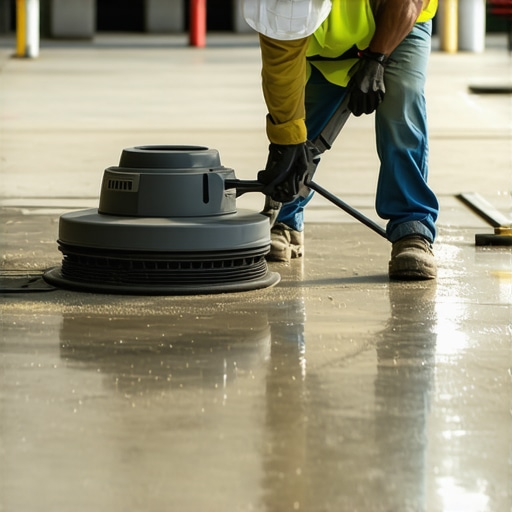
It was a weekend like any other when I stepped into my living room and immediately noticed that my new laminate flooring wasn’t sitting right. The planks felt uneven under my feet, creating an unsettling click with every step. That light-bulb moment hit me hard—my floor wasn’t properly leveled. And suddenly, all my excitement about a quick upgrade turned into a frustrating puzzle. This real-life experience made me realize something crucial: in 2024, expert floor leveling isn’t just a technical detail—it’s the foundation of a lasting, beautiful home.
Why Ignoring Floor Leveling Can Cost You Big Time
Many homeowners underestimate the importance of a perfectly leveled surface before installing flooring. Skimping on this step might seem harmless initially, but it can lead to uneven wear, cracking, and even safety hazards over time. I learned this the hard way when my laminate started to warp and separate after just a few months. Trust me, it’s not a problem you want to ignore.
The good news? Properly leveling your floors can prevent these issues and ensure your new surfaces last for years. In fact, research shows that poor subfloor preparation is one of the main culprits behind flooring failures. A detailed article from Flooring America confirms that subfloor inconsistencies are responsible for up to 80% of flooring repairs within the first five years (source: [Flooring America](https://flooringamerica.com)). This statistic underlines why getting this right from the start is essential.
If you’ve ever faced uneven floors that disrupted your renovation plans, you’re not alone. The real question is: how do you tackle this issue effectively? And more importantly, what mistakes should you avoid?
Is Floor Leveling Actually Worth the Hype?
Early on, I made the mistake of thinking a quick patch job would do the trick. I used a simple self-leveling compound without thoroughly checking the subfloor’s condition. Result? The compound cracked, and I was back to square one. This taught me that skipping proper assessment and planning can turn a small problem into a major headache.
Getting expert tips can really make a difference. For example, understanding the right leveling techniques can save you time, money, and frustration. Curious about how to achieve flawless results? Check out comprehensive guides like [this detailed overview on expert-floor leveling techniques in 2024](https://floorcraftstore.com/expert-floor-leveling-tips-for-lasting-durability). Having the right knowledge ensures your investment pays off, leaving you with a smooth, durable surface ready for the style you envision.
Now, let’s explore the practical steps to level your floors the right way. Whether you’re dealing with old uneven surfaces or planning a fresh install, these insights will help you avoid common pitfalls and secure a stunning finish for your home.
Prepare the Subfloor Before You Do Anything
Start by inspecting your existing surface. Use a long spirit level or a laser level to identify high and low spots. Mark them clearly with chalk. If the surface has debris, dust, or loose particles, clean thoroughly to ensure proper adhesion of leveling compounds. I once neglected this step on a small patch, which caused the compound to crack within weeks, ruining my flooring. Proper preparation creates a clean, stable base that prevents future issues.
Assess the Extent of Unevenness and Choose the Right Material
For minor imperfections—less than 1/4 inch—self-leveling compounds are usually sufficient. For larger gaps, consider reinforcing with plywood or other leveling layers first. The key is to match your material to the severity of the unevenness. Remember, using the wrong product can cause more problems down the line. I initially grabbed a fast-drying compound for a significant unevenness, but it was too stiff and didn’t self-level, forcing me to redo the entire process. Match your product to your project’s needs for best results.
Mix and Apply the Leveling Compound Correctly
Follow the manufacturer’s instructions precisely. Mix in small batches to avoid premature setting. For a smooth application, pour the compound at the lowest point and use a notched trowel or spreader to distribute it evenly. Think of it like pouring pancake batter into a pan—let it flow into every dip and settle naturally. During my first attempt, I didn’t work quickly enough, which resulted in uneven edges and airflow trapped beneath the slab. Working efficiently ensures a smooth, level surface.
Tip: Use a Straight Edge to Check Work in Progress
Periodically check your work with a long straightedge or level. This helps catch high spots or dips early. For example, I placed a 4-foot level across my floor and marked areas that needed more compound or sanding. This simple step transformed my uneven surface into a mirror-like flatness, providing a perfect foundation for laminate install.
Sand and Smooth for the Best Finish
After the compound dries completely—usually 24 hours—use a fine-grit sander or sanding block to smooth any imperfections. Avoid over-sanding, which can expose the substrate. I learned this when I over-sanded in one corner and weakened the entire section, risking damage. A gentle, consistent approach gives you a perfectly flat surface ready for the next layer.
Finalize with a Prime or Sealant if Necessary
Some compounds benefit from a primer or sealant to improve adhesion of subsequent layers like flooring or carpet underlay. Consult your product instructions and test a small area beforehand. This extra step ensures your flooring stays secure and long-lasting.
Applying these steps meticulously will save you time, money, and headaches in the long run. For detailed strategies tailored to specific flooring types—such as carpet, laminate, or shower surfaces—check out this guide on carpet flooring strategies or laminate-specific leveling tips. Remember, precision in each step guarantees a durable, attractive finish that endures move after move.While many homeowners think that basic instructions are enough for successful renovations, the truth is that the devil is in the details. A common misconception is believing that once you’ve prepared the surface or installed the materials, the job is done. In reality, overlooking nuanced factors can lead to costly mistakes, even with seemingly straightforward tasks like shower upgrades or flooring installations.
Why the Popular Myths About Floor Leveling and Flooring Material Choices Are Often Wrong
One widespread myth is that self-leveling compounds are foolproof for any uneven surface. However, improper assessment of the subfloor’s condition can cause these compounds to crack, peel, or fail over time. For example, many assume that a quick pour will fix all issues, but without thorough cleaning, priming, and correct mixing, this shortcut can backfire. Research indicates that subfloor prep mistakes contribute to up to 80% of flooring failures within five years, highlighting the importance of expert-level understanding (source: [flooring industry studies](https://flooringamerica.com)). So, before even applying a leveling compound, a deep inspection and tailored approach are crucial—don’t fall for the one-size-fits-all mentality.
Have you ever fallen into this trap? Let me know in the comments.
Getting the Shower Right the First Time Could Save You Years of Hassle
A mistake many make with shower renovations is prioritizing aesthetics over waterproofing. It’s a tempting pitfall—focusing on modern fixtures and sleek tiles without rigorous water barrier installation. This oversight can lead to leaks, mold, and structural damage, which are often hidden until they cause significant damage. Experts warn that failing to use the right waterproofing solutions compromises the entire bathroom. For instance, top solutions designed specifically for shower areas can extend the life of your renovation, ensuring you don’t need costly replacements down the line. Check out detailed insights on [efficient shower renovation solutions](https://floorcraftstore.com/top-shower-renovations-laminate-flooring-tips-for-2024-success) for more on smart waterproofing practices.
Advanced Mistake: Underestimating the Nuance in Carpet and Laminate Installations
Many homeowners believe that measuring the room and simply cutting the materials to size is sufficient. However, misjudging factors like subfloor moisture levels, expansion gaps, and acclimatization times can seriously undermine the install quality. For example, not allowing laminate planks to acclimate in the room’s humidity can cause buckling or gaps later. Similarly, carpet stretching without proper tension management results in wrinkles or loose edges. Experts recommend consulting specialized strategies tailored to your specific home’s conditions, like those explained in [carpet installation and floor leveling tips](https://floorcraftstore.com/expert-carpet-install-floor-leveling-tips-for-lasting-durability). Taking these steps ensures long-lasting, flawless results.
Don’t let misconceptions cost you. Assess your project with layers of expert insight and avoid these common pitfalls. Ready for a masterful upgrade? Dive into detailed guides and make sure every step counts for durability and beauty.Maintaining your newly renovated floors, showers, and carpets requires the right tools and consistent practices. Over the years, I’ve learned that quality equipment not only speeds up the process but also ensures lasting durability. One essential device I swear by is a laser level, which provides unparalleled precision when checking for unevenness or monitoring progress throughout a project. Unlike traditional bubble levels, laser levels cast a beam across large surfaces, making it easier to detect even subtle deviations—crucial when leveling subfloors for laminate or laying new shower tiles. For example, I use the Dewalt DW089LG laser level, which offers bright line projection and magnetic mounts for stability.
In addition to tools, software aids can streamline your workflow. I recommend Bluebeam Revu for creating detailed project plans, especially when coordinating complex tasks like floor leveling and waterproofing in showers. This digital platform allows you to annotate designs, share updates with contractors, and keep track of revisions—saving countless hours of confusion and miscommunication.
When it comes to ongoing maintenance, regular inspections using moisture meters are a game-changer. Moisture sensors, like the Wagner MMC220, help detect hidden moisture beneath carpets or behind walls, preventing future mold or structural issues. I make it a point to check moisture levels at least twice a year in high-traffic or humid areas, aligning with recommendations from top experts in home flooring.
Adopting these tools and practices lays a strong foundation for the longevity of your renovations. Plus, staying current with emerging technologies like eco-friendly sealants or smart moisture monitoring systems can further future-proof your home. The industry is trending toward automation and smarter home systems, promising even more precise and hassle-free maintenance options in the coming years. To stay ahead, I encourage you to try integrating a laser level into your next project — it might just change the way you approach home upgrades altogether. For detailed insights on maintaining and scaling your flooring efforts, check out this expert guide to laminate upkeep.
Lessons Learned From the Trenches of Home Renovation
- One of my biggest revelations was realizing that even minor imperfections in subfloor prep could ripple into major headaches later. Skipping meticulous cleaning and assessment during floor leveling led to cracked compounds and uneven surfaces, teaching me that patience and attention to detail are non-negotiable.
- I discovered that pre-application testing of waterproofing solutions in shower renovations saves time and expense. Rushing into aesthetic choices without considering moisture barriers often results in costly repairs—my experience being the perfect example of this pitfall.
- Understanding the importance of acclimating flooring materials like laminate before installation made me appreciate the subtle factors affecting durability. Allowing planks to adjust to room humidity prevented buckling and gaps, emphasizing that proper timing can dramatically elevate project outcomes.
- Deep diving into expert resources revealed that the myth of one-size-fits-all leveling compounds can sabotage your project. Tailoring products and techniques to specific surface conditions is crucial for success, a lesson I learned when a hurried patch degraded within months.
Tools and Guides That Elevated My Projects
- My trusty laser level, like the Dewalt DW089LG, provided unmatched precision and saved me headaches during floor leveling. Its bright beam and easy mounting were game-changers for ensuring flat, durable surfaces.
- Consulting comprehensive guides like expert laminate leveling tips helped me avoid common pitfalls and select the right materials. These resources offer insights that turn novices into confident homeowners.
- I rely on moisture meters such as the Wagner MMC220 to monitor subfloor health, preventing mold and structural issues. Regular checks during project execution and maintenance have preserved my investments over time.
- The industry-standard top shower solutions and waterproofing strategies provide peace of mind, ensuring that bathrooms stand the test of time and use, not just style.
Your Next Step Toward Home Excellence Begins Now
Embarking on projects like floor leveling and shower upgrades might seem daunting, but with the right mindset and resources, you can craft spaces that truly reflect your vision and stand the test of time. Remember, the key is in the details—meticulous prep, expert advice, and quality tools. With these in your arsenal, 2024 is your year to transform your home into a sanctuary of durability and style.
What challenges have you faced in ensuring your floors or showers are perfectly done? Share your experiences below—I’d love to hear your story.