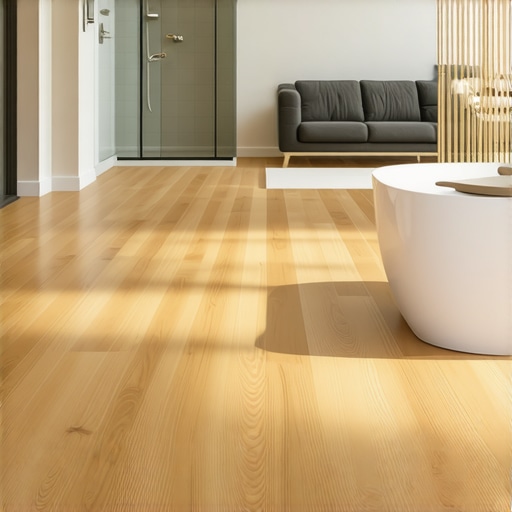
It was a morning like any other, until I stepped into my bathroom and nearly slipped on a patch of warped laminate flooring. That lightbulb moment—realizing how overlooked a solid foundation truly is—hit me hard. I’d spent so much time choosing the perfect shower fixtures or trendy tiles, yet neglected the crucial step of proper installation and floor preparation. If you’ve ever felt that sinking feeling when your beautiful DIY project starts to show signs of wear too soon, you’re not alone.
Why Proper Floor Preparation Makes All the Difference
Imagine spending hundreds or even thousands on upgrading your bathroom or living space—only to have the entire project compromised by something as seemingly simple as uneven flooring or poor sealing. I learned this the hard way early in my renovation adventures. The key is understanding that the foundation, such as laminate flooring or shower installations, needs meticulous attention. A flawless finish depends on proper leveling and adherence to proven techniques. For instance, exploring top floor leveling tips can save you from future headaches and costly repairs. It’s worth noting that according to industry experts, improper installation can reduce the lifespan of your upgrades by up to 50%. That’s a staggering figure and a clear reminder to prioritize foundational work.
So, have you faced issues with uneven floors or leaks that just won’t stop? If so, you’re in the right place. Today, I will guide you through the essential steps to ensure your laminate and shower projects last for years, keeping your home looking and functioning its best. Let’s dive into the practical tips that can turn your renovation nightmare into a success story, starting with the critical step of preparing your surface for perfection.
Prepare Your Surface Thoroughly
Start by clearing the area completely, removing old flooring, debris, and loose materials. Use a moisture meter to check for dampness, as excess moisture can cause flooring or tile issues later. For uneven subfloors, applying a self-leveling compound is essential; think of it as smoothing out wrinkles in a fabric before sewing—a smooth surface ensures materials adhere properly here. I once ignored this step in my bathroom project, hoping to save time, but it led to tiles cracking within months, emphasizing the importance of a flat base. Collaborate with a professional if your floor has significant unevenness, ensuring structural stability.
Master the Art of Leveling
Leveling is like tuning a musical instrument; if one string is off, the whole harmony suffers. Use a long spirit level or laser level to identify high and low spots. For large discrepancies, pour a joint compound or apply self-leveling underlayment (pay special attention to product instructions). Use a trowel to spread the compound evenly, starting from the highest point and working outward. For intricate corners or tight spaces, a small margin trowel works best. I once faced a tricky corner with dips; applying neat, small amounts of leveling compound and patiently smoothing it out turned a lumpy mess into a seamless transition. This precise step creates an even foundation, crucial for both laminate and tile installations.
Ensure Proper Adhesion Techniques
Choosing the right adhesive is critical; it’s the glue that binds your project. For laminate flooring, opt for a high-quality laminate glue or underlayment with built-in moisture barriers. When installing tiles in a shower, use a waterproof thin-set mortar with mold-resistant properties here. Spread the adhesive or mortar evenly with a notched trowel, matching the manufacturer’s recommended notch size—this ensures consistent bonding and minimizes voids. I once watched an experienced installer lay tiles, carefully pressing each piece into the mortar with a slight twist to boost adhesion. Proper technique here prevents future issues like tiles lifting or water seeping behind the layers.
Seal and Protect for Longevity
Once everything is installed, sealing is the final layer of defense. In showers, apply a waterproof grout sealer to prevent water infiltration, which can cause mold and damage. For laminate floors, sealing edges with appropriate varnish or specialized edge sealants guards against moisture ingress—think of it as armor for your investment. Don’t skimp on this; I made the mistake of skipping proper sealing before a vacation, only to come back to a flooded room. Regular maintenance, such as resealing grout annually, prolongs your renovation’s life and keeps your space looking pristine.
Many homeowners believe that following basic instructions guarantees a successful renovation, but the truth is that small nuances often determine long-term success. For example, a common myth is that using cheaper materials can save money—yet, in my experience, opting for quality and understanding advanced installation nuances can prevent costly repairs later here. A significant mistake I’ve seen is overlooking the importance of precise surface preparation; even minor imperfections can cause major issues, such as tiles cracking or laminate gaps forming over time. The trap many fall into is assuming that leveling compounds or adhesives are a one-size-fits-all solution. In reality, failure to select the correct type or apply them correctly, especially in areas with high moisture or heavy use, can lead to premature wear.
What about the myths surrounding rapid installation and DIY shortcuts?
Everyone wants quick results, but rushing through surface leveling or ignoring the recommended curing times for adhesives and sealers may compromise the entire project. For instance, rushing a self-leveling compound before it has fully cured can lead to lumpy surfaces or uneven flooring. Industry experts warn that these shortcuts might reduce your flooring’s lifespan by up to 50% here. So, how can you avoid falling into these pitfalls?
First, invest time in proper surface preparation—this step is often underestimated but crucial for durability. Second, choose materials tailored for your specific environment, such as waterproof adhesives for bathrooms or high-grade underlayments for laminate floors. Third, adhere strictly to manufacturer instructions, especially regarding curing times and application techniques. Neglecting these details can cause issues that seem minor at first but turn into major repairs later.
Let me share a tip: integrating a thorough inspection phase during installation, using precise levels and moisture meters, can save you from expensive mistakes. Remember, the devil is in the details, and mastering these advanced nuances makes your renovation not just visually appealing but genuinely durable. Don’t forget—properly leveling floors and applying the right sealers can double the lifespan of your project compared to common DIY shortcuts.
Have you ever fallen into this trap? Let me know in the comments. For more insights, be sure to check detailed guides on floor leveling tips and professional shower installation practices.Maintaining your renovation investments, such as showers and flooring, requires more than just initial installation skills. The right tools and consistent upkeep can dramatically extend their lifespan and ensure your home remains functional and beautiful for years to come. One essential tool I rely on is a digital moisture meter, which helps me monitor moisture levels in subfloors and walls regularly—an often overlooked factor that can lead to mold or warping if ignored. By catching high humidity early, I can address issues before they compromise your investment. Additionally, a high-quality laser level is indispensable for maintaining perfect alignment over time, especially when checking for uneven settling or shifting in flooring installations. Having these precise measurements at hand allows me to perform minor adjustments promptly, avoiding costly repairs down the line.
Another tool I recommend is a handheld grout and sealant applicator. Using this ensures consistent application of sealers around showers or on grout lines, maximizing waterproofing and preventing water infiltration—crucial in high-moisture areas. I’ve found that dedicated tools like these improve both the quality and durability of the sealant application compared to generic methods. Regular inspections with a bright LED flashlight help me identify early signs of damage or wear, such as cracks or loose grout, enabling timely maintenance rather than reactive repairs.
Looking ahead, the trend in renovation tools is leaning toward smarter, integrated systems. For example, moisture meters connected to smartphone apps can log data over time, providing insights into persistent issues like leaks or vapor buildup. Industry experts predict that these technological integrations will become standard, making home maintenance more proactive and less invasive. You might consider trying out a digital moisture sensor with app integration as your next upgrade—it’s a game-changer for long-term monitoring.
How do I keep my floors and showers functioning smoothly over time? Consistent, routine checks paired with the right tools are key. For instance, regularly testing moisture levels in your subfloor with a precision device inspired by industry-grade equipment can prevent significant damage. Applying this tip now will give you peace of mind and save you money in the future. Remember, small ongoing efforts often yield the biggest returns in home longevity. Want to take your maintenance game further? Start by integrating an advanced moisture monitoring system into your routine and see how quickly you catch potential problems early. For detailed guidance on the best methods, visit our article on floor leveling tips and maintenance strategies.
The Hardest Lesson I Learned About floors and showers
One of the biggest mistakes I made was rushing the surface preparation step, believing it was just extra work. I later discovered that skipping proper leveling and sealing led to costly repairs down the line, and now I prioritize meticulous surface checks for every project. Remember, taking the time upfront saves headaches and money later.
A Myth That Almost Cost Me
I once thought that using cheap adhesive would save me money, but I ended up with loose tiles and uneven surfaces within months. I learned that quality materials and proper application are vital for longevity, especially in moisture-prone areas like showers. Don’t compromise on products here — your home deserves it.
The Unexpected Benefit of Routine Checks
Regularly monitoring moisture levels with a good moisture meter has been a game-changer. I catch potential issues early, preventing mold and warping. This proactive approach has extended the lifespan of my installations and keeps my home safe and beautiful. Investing in the right tools truly pays off.
Where precision makes all the difference
Attention to detail during leveling—like using a laser level and self-leveling compounds—turned uneven groundwork into a smooth base. This seemingly small step prevented cracks and misalignments. If you want your renovation to last, never underestimate the power of precise surface preparation.
My Trusted Resources for Lasting Results
- Floorcraft’s Top Floor Leveling Tips: Offers comprehensive advice on preparing uneven surfaces, which is foundational for durability.
- Expert Shower Installation Guides: Their insights on waterproofing and sealing help prevent leaks and mold formation.
- Quality Material Brands: I personally vouch for high-grade adhesives and sealers—they’ve made a noticeable difference in my projects.
- Specialized Tools: Laser levels and moisture meters from trusted brands have become my go-to for ensuring consistency and safety in every step.
Your Turn to Build a Stronger Home
The key takeaway? Never rush the surface preparation phase or cut corners with materials. Your efforts now will pay dividends with a project that stands the test of time. With patience, quality, and attention to detail, you can transform your space into a lasting oasis. Ready to start your journey? Remember, every expert was once a beginner—keep learning and improving.