![How to Spot a Failing Shower Curb Before the Tile Cracks [2026]](https://floorcraftstore.com/wp-content/uploads/2026/02/How-to-Spot-a-Failing-Shower-Curb-Before-the-Tile-Cracks-2026.jpeg)
I remember the moment clearly—walking into my bathroom one morning and noticing a tiny crack in the tile near the shower curb. What seemed like a minor flaw quickly turned into a full-blown headache when water started seeping behind the tiles, leading to mold and costly repairs. That lightbulb moment taught me a hard lesson: catching a failing shower curb early can save you both time and money.
Why the Shower Curb Fails and How It Affects Your Home
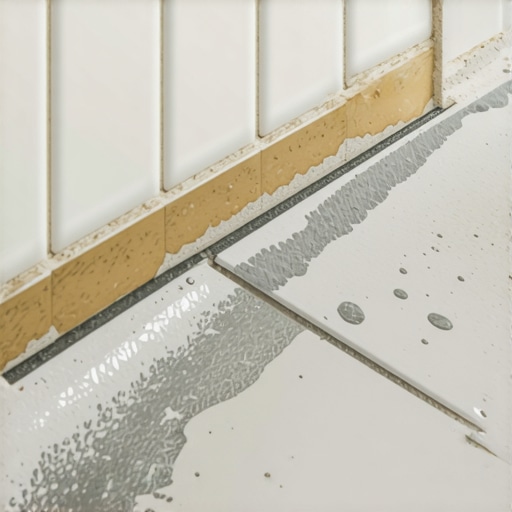
The shower curb is more than just a decorative element; it’s a crucial part of your bathroom’s waterproofing system. When it fails, moisture infiltrates your walls and subfloor, risking serious damage. Early signs of curb failure are often subtle—tiny cracks, uneven surfaces, or stubborn leaks. If ignored, these issues can escalate into mold growth or structural deterioration, which is far more expensive to fix than a simple repair.
I’ve learned through personal experience—and plenty of research—that many homeowners overlook these warning signs until it’s too late. Regular inspections and understanding what to look for can prevent catastrophic damage. For instance, a misaligned curb or inadequate slope can cause water to pool, weakening the seal over time. To get a complete picture of how to evaluate your shower curb, check out this guide on waterproofing mistakes.
Have you ever faced a stubborn leak or noticed cracks that just wouldn’t go away? You’re not alone. Many homeowners discover such issues only when it’s too late. That’s why in the next sections, I’ll walk you through the key steps to assess and identify a failing shower curb before it causes serious damage.
Inspect the Damage Thoroughly
Start by removing any existing grout or sealant around the shower curb with a utility knife. Look for visible cracks, loose tiles, or signs of water damage behind the curb. Use a flashlight to check for moisture infiltration behind tiles or drywall. Remember, catching issues early prevents costly repairs. I once used a moisture meter on a suspect area and discovered hidden water intrusion behind the tile that wasn’t visible to the naked eye.
Test for Water Leaks Effectively
Before proceeding, conduct a flood test by plugging the drain and filling the shower pan with a few inches of water. Let it sit for 15 minutes, then observe any water level drop. If the water leaks out, the curb or waterproofing may have compromised. This simple step reveals hidden leaks that could cause mold or rot if left unaddressed. I once found my curb was slowly leaking behind the wall—after fixing it, I avoided major mold remediation costs.
Remove and Prepare the Old Curb
Carefully pry out loose tiles or damaged sections with a chisel and hammer. Clean the area with a wire brush and vacuum to remove debris and dust. If the underlying substrate shows signs of rot or deterioration, replace it with a suitable backer board, such as cement board. This preparation ensures a solid foundation for the repair and prevents future failure. I recommend checking out this guide on shower upgrades for detailed steps on installing new waterproof layers.
Apply New Waterproofing Layer
Use a high-quality waterproof membrane compatible with your shower type. Apply it meticulously along the curb, paying special attention to corners and seams. Use a roller or brush to ensure full adhesion. This barrier keeps moisture from seeping behind the tiles, prolonging the curb’s life. A proper waterproofing layer is critical—skimping here can lead to leaks and mold growth down the line. For detailed waterproofing tips, see this waterproofing guide.
Build and Seal the New Curb
Mix a bonding mortar according to the manufacturer’s instructions and apply it evenly to the substrate. Set the new curb, ensuring it’s level and properly sloped to drain water away. Use a level tool frequently during installation. Once the mortar sets, re-tile with durable, water-resistant tiles, paying close attention to grout joints and sealant. Properly sealed grout prevents water infiltration, extending the curb’s lifespan. I once installed a curb that was slightly off-angle, leading to water pooling—careful leveling solved that problem entirely.
Finish with Proper Sealing and Inspection
Apply a high-quality grout sealer to prevent water penetration through grout lines. Inspect your work thoroughly, checking for any gaps or cracks. Conduct another flood test after the sealant cures to verify the repair. Regular inspections and maintenance ensure the fix stays effective. Remember, early detection of issues like small cracks can save you from major repairs later—consider setting a reminder to check your curb periodically.
When it comes to home upgrades, many assume they can tackle floor leveling, laminate, or shower renovations with generic tips or off-the-shelf solutions. However, as an expert in the field, I can tell you that these projects are riddled with nuanced pitfalls that can sabotage your efforts if overlooked. For example, **everyone emphasizes the importance of choosing the right materials**, but they often ignore how subtle variations in subfloor condition or installation technique can make or break the durability of your renovation. An expert knows that even high-quality flooring can fail prematurely if the subfloor isn’t properly prepared—a mistake easily made by DIYers who underestimate the significance of surface flatness and moisture levels. For a comprehensive understanding, check out these expert leveling tips.
Many believe that quick fixes, like applying self-leveling compounds hastily or skipping moisture barriers, are sufficient. But this is a trap—poor technique here can lead to cracked tiles, squeaky floors, or warped laminate over time. For instance, DIYers often overlook the critical step of testing the subfloor’s moisture content, which can cause swelling and buckling months down the line. An advanced homeowner should perform thorough floor leveling tests before laying new material.
In the world of carpet installation, a common myth is that seams are always a minor concern. In reality, seams are often the weakest link—if improperly glued or stretched, they can fray, buckle, or peep through furniture. A crucial nuance most miss is the importance of proper seam sealing and stretching techniques, which prevent these issues and extend carpet life. For those considering upgrades, this insight on seam fixes is invaluable.
Showers might seem straightforward, but the underlying waterproofing intricacies frequently trip up even seasoned DIY enthusiasts. Many incorrectly assume that a simple membrane application or grout sealing suffices. Yet, the hidden nuance lies in correctly integrating the waterproof layers with the shower pan and ensuring seamless transitions at joints and corners. Failing here can result in leaks and Mold issues. An advanced tip is to perform a water test post-installation—something often overlooked. Learn more about avoiding these pitfalls in this waterproofing guide.
### How do Subfloor Conditions Set the Stage for Success?
Many homeowners focus on the visible finish but ignore that the most critical factor for lasting results is the subfloor’s state. An uneven, damp, or cracked subfloor will eventually ruin your laminate or tile installations. Building on a subfloor that isn’t perfectly flat or fails testing can lead to cracks, squeaks, or buckles down the line. To avoid this, I advise a detailed inspection and corrective measures such as self-leveling solutions or joist reinforcement. For advanced methods, see these leveling hacks.
**Have you ever fallen into this trap?** Let me know in the comments how you tackled or avoided these advanced pitfalls, and remember: proper preparation and expert technique are your best tools for a durable, aesthetically pleasing renovation.
Invest in Reliable Tools for Precision and Durability
One of my top recommendations for maintaining renovations like floor leveling or shower sealing is investing in a high-quality laser level. I personally use the DeWalt DW088K because its accuracy helps me ensure perfectly level flooring, reducing future issues like squeaks or cracks. For waterproofing projects in showers, I rely on a waterproof membrane such as the SchluterKERDI, which provides a seamless, durable barrier that’s easy to install with minimal fuss. Selecting professional-grade tools like these ensures your work will last longer and resist common problems over time.
Use Software to Track Maintenance and Improvements
Keeping detailed records of your renovation projects is surprisingly effective. I use a home management app, such as HomeZada, which helps me schedule inspections, note areas needing touch-ups, and track material warranties. Setting reminders for annual inspections of shower grout or checking subfloor conditions after heavy use prevents small problems from escalating. These digital tools create a proactive maintenance routine, saving time and money in the long run. Modern technology is moving toward integrating IoT sensors for moisture detection—an exciting trend that could revolutionize how homeowners monitor critical areas like showers or underlayment in flooring.
Prioritize Long-Term Results with Proper Maintenance
Consistent care extends the lifespan of your upgrades. For example, applying a specialized grout sealer annually helps prevent water infiltration in grout lines, which is vital for showers. Similarly, checking for subfloor sagging or unevenness every few years can catch problems early. Replacing worn sealants promptly in shower joints or reapplying self-leveling compounds when settling occurs maintains stability and prevents leaks. Remember, a well-maintained surface not only looks better but also preserves your investment, avoiding costly repairs down the line.
How do I maintain my flooring and shower systems over time?
Regular inspection is key. Use a moisture meter—something like the https://floorcraftstore.com/5-red-flags-your-floor-leveler-is-failing-2026-checklist—and check areas prone to water exposure, such as shower corners and grout lines. Reseal grout lines every 1-2 years with a high-quality sealer to impede water intrusion. For flooring, ensure the expansion gaps are unobstructed and re-apply adhesive or underlayment when you notice creaking or buckling. Staying ahead of issues means your investment pays off in durability and appearance.
Remember, modern maintenance isn’t just about fixing what’s broken but proactively preventing problems. I highly recommend trying the advanced moisture barrier techniques detailed in this guide on self-leveling fixes. Implementing these tips not only prolongs the life of your renovation but also ensures it remains functional and attractive years down the line. So, incorporate these tools and routines into your maintenance plan, and enjoy peace of mind knowing your home is protected from common pitfalls.
The Hardest Lesson I Learned About Shower Curb Failures
During my early days, I underestimated the importance of meticulous waterproofing around the shower curb, leading to costly mold remediation. It taught me that even small oversights can snowball into significant problems, emphasizing the need for precision and patience in repair work.
Three Myths Holding You Back from a Perfect Shower Upgrade
Many believe that sealing a shower curb is a quick task or that DIY shortcuts won’t cause long-term issues. These misconceptions can undermine your efforts, making thorough preparation and proper material selection essential for lasting results.
What Experts Won’t Tell You About Curb Waterproofing
Professional installers often avoid discussing the nuance of seamless membrane integration at corners and grout joints. Understanding these subtle details ensures your shower remains leak-free and durable over time, saving you hassle and expense.
My Essential Toolkit for Successful Shower Renovations
I rely on high-quality waterproof membranes like SchluterKERDI for their reliability and ease of installation. A calibrated moisture meter helps detect hidden issues before they escalate. Investing in these tools has profoundly impacted the quality and longevity of my projects.
Where to Go from Here
If you’re ready to elevate your shower repair game, start by reviewing your waterproofing techniques and investing in trusted materials. Regular inspections and proactive maintenance can prevent minor issues from turning into major headaches, turning your bathroom into a worry-free space.
Your Turn to Transform Your Bathroom
Approaching shower curb repairs with a strategic mindset and the right tools makes all the difference. Remember, mastering these details now sets the stage for a leak-free, beautiful bathroom for years to come.
Have you ever struggled with ensuring proper waterproofing at the shower curb? Share your experiences or questions below—I’d love to hear your insights and help you avoid common pitfalls.
http://Maggie%20Peterson
This article hits close to home, especially the part about early detection of curb failure. I once ignored minor cracks in my shower tile, thinking they were just superficial. Sadly, water managed to seep behind the tiles, causing mold and increasing my repair costs significantly. Since then, I try to inspect my shower area regularly, and I always do the flood test after any maintenance. I find that using a moisture meter really helps me catch problems before they become serious. One thing I wonder about is how often others actually check their subfloor or inspect for hidden issues behind tiles. Do you have a recommended schedule for routine inspections? For me, quarterly checks seem effective, but I’d love tips on what signs are most commonly overlooked.
http://Benjamin%20Lee
This post really emphasizes the importance of vigilance when it comes to the health of your shower area. I remember a similar situation where I overlooked simple cracks in my grout, assuming they were just normal wear. However, water found its way behind the tiles, leading to a mold issue that was much more difficult to remediate than I anticipated. Since then, I’ve adopted a routine of inspecting my shower monthly, especially around the curb and grout lines, and I always include a moisture check using a basic moisture meter. For those questioning how often to schedule inspections, I’d recommend a monthly visual check paired with quarterly moisture scans, especially if you already notice some cracks or leaks. Do others find that regular checks have helped them catch issues early before major repairs? I’d be interested to hear any tips on quick detection methods or signs to watch out for beyond the typical cracks or water stains.