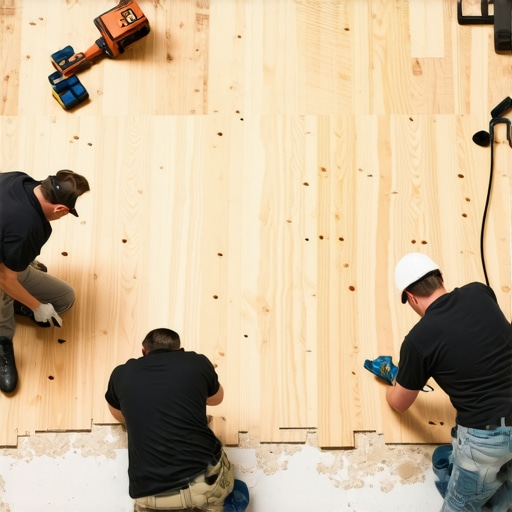
It was a mess I’ll never forget. I was installing a new laminated floor, confident that I was marking the start of a perfect home upgrade. But within months—just as the 2026 self-leveler deadline loomed—tiny cracks appeared all over my freshly laid floor. Those hairline fractures seemed harmless at first, but soon, they spread, reminding me that even minor missteps in prep could turn into years of frustration. That moment was a wake-up call.
Why Cutting Corners on Plywood Prep Might Cost You Big Time
Having been through that flooring fiasco, I learned the hard way that solid preparation can make or break your entire project. When I skimped on proper plywood subfloor fixes, I unknowingly set the stage for cracks that wouldn’t quit. This isn’t just about aesthetics; it can compromise your entire home’s comfort and durability. According to industry experts, proper subfloor prep is crucial in preventing issues like cracking, warping, or even structural failure in the years to come. A misjudged layer can cause uneven wear, leading to costly repairs down the line.
Is DIY Plywood Fixing Worth the Risk
Originally, I thought a simple patch would suffice—that’s exactly my early mistake. Trust me, not all DIY methods are created equal, and rushing through prep can lead to bigger headaches in the future. You might be wondering if these fixes are worth the effort or if you should just call in a pro. Well, I’ll share everything I’ve learned to help you avoid the same costly mistakes.
But before you start pounding nails or applying filler, let’s explore the sneaky causes behind those pesky cracks and how you can prevent them with three tried-and-true plywood fixes. Ready to save your floors from a future of headaches? Let’s dive in.
Start with a Solid Subfloor Foundation
Before laying down laminate or carpet, ensure your subfloor is perfectly level and free of debris. During my project, I used a laser level to assess the surface, identifying dips and high spots. I applied a self-leveling compound on uneven areas, which prevented future cracks and bounce. This step is critical—an unstable base transfers flaws to the surface finish, causing cracks or squeaks over time. For detailed methods, consult professional floor leveling tips.
Implement Precise Plywood Fixes
When repairing or installing plywood, use screws instead of nails for a tighter grip. I replaced weak panels with thicker plywood and staggered the seams, much like building a brick wall—this avoids weak points that could split or crack. Secure the plywood with construction adhesive where needed to enhance stability. Remember, gaps or weak bonds can translate into visible cracks later, especially amid temperature swings. For comprehensive techniques, review crack prevention strategies.
Level Floors Safely and Effectively
Use a long, straightedge to identify slopes or dips; a 4-foot level can reveal issues invisible to the naked eye. I ran a chalk line across the floor to mark high and low points before applying repair compounds. Modern floor leveling involves mixing a self-leveling compound that’s poured across the surface, spreading evenly with a squeegee. This process is akin to pouring pancake batter—ensure it is evenly distributed to prevent future cracks or bumps. For best practices, see floor leveling guidance.
Prep for Waterproofing Shower Floors
Proper waterproofing is non-negotiable in showers to prevent water damage that could compromise your subfloor and cause cracking in tile or laminate. I installed a waterproof membrane directly over the subfloor, sealing all seams with specialized tape, much like wrapping a gift tightly so nothing leaks out. Apply a liquid waterproofing membrane over the entire surface and ensure all corners and edges are thoroughly sealed. For insights, review shower waterproofing best practices.
Make Connecting Surfaces Seamless
When installing carpets or laminate, pay attention to transitions. I used T-molding for connecting different flooring types, ensuring flatness and preventing tripping hazards. For carpets, techniques like stretching the carpet tightly using a power stretcher minimize wrinkles and gaps, similar to tuning a guitar string for perfect pitch. Tight, well-prepared transitions prevent gaps that can lead to further wear or water infiltration, especially in multi-room setups. Read more at carpet transition techniques.
Ensure Proper Expansion Gaps
Leaving a 1/4 inch gap around the perimeter allows the flooring to expand and contract with temperature changes, reducing the risk of cracks. During my laminate installation, I set spacers to maintain uniform gaps and used baseboards as the final cover. Without this buffer, materials push against the walls, causing buckling or cracks. For detailed instructions, visit expansion gap solutions.
Many homeowners assume that following basic instructions guarantees a perfect finish, but in my experience, there are nuanced pitfalls that can sabotage your efforts. For example, a widespread myth is that carpeting only requires stretching and stapling; however, without proper subfloor preparation and understanding of padding compression, seams can fray prematurely. Similarly, in shower renovations, the belief that waterproofing is a simple membrane application ignores the importance of sealing corners and joints meticulously—one small oversight can lead to leaks and mold buildup over time. When it comes to laminate flooring, many think that high humidity isn’t a concern, but moisture seeping through the subfloor can cause planks to warp or buckle months later. Proper floor leveling often gets reduced to just adding compounds, but the subtlety lies in testing for slope and spot-leveling to prevent cracks and creaks that develop under load. Overlooking these details is a common mistake I’ve seen, and it often results in costly repairs. One might ask, “Why do so many professional projects still encounter these issues?” The answer is that many installers overlook the hidden nuances—like the need for expansion joints in large areas or the precise timing when adhesives cure—that are critical for long-term durability. Studies from industry experts emphasize that attention to these subtle elements can increase the lifespan of your installations significantly. For instance, a report from the National Flooring Association stresses that seamless transitions and room-specific adjustments can prevent uneven wear and visible cracks. Remember, investing time in understanding these nuances pays off in the form of a beautiful, lasting finish. If you’re planning to tackle these projects yourself, I highly recommend diving into detailed guides or consulting professionals for the tricky parts. Have you ever fallen into this trap? Let me know in the comments.Maintaining your flooring and shower systems over time is crucial to ensure durability and beauty. The right tools and routine practices can prevent costly repairs and keep your home looking its best for years to come.
Choosing the Right Equipment for Longevity
One of my top recommendations is investing in a high-quality laser level. During installations, a laser level, like the Bosch GLL 3-80, allows for precise assessments of floor leveling. Its accuracy ensures your subfloor remains flat, reducing the risk of cracks or uneven wear, which I learned firsthand can save you countless headaches. Additionally, a good pneumatic flooring stapler makes securing laminate or carpet seams much easier and more consistent, preventing early fraying or gaps. For shower waterproofing, a durable caulking gun paired with high-quality sealants like Blanco Pro ensures you can apply seals uniformly, significantly reducing the chances of leaks.
Routine Checks for Long-Term Results
Regular inspections are key. Make it a habit to monitor expansion gaps around floors—these are vital for accommodating temperature changes. I recommend setting reminders every six months to check these gaps, especially in rooms with significant temperature swings. For shower waterproofing, inspecting seams and applying a fresh coat of waterproof membrane annually can prevent moisture infiltration. I’ve found that using a moisture meter, like the Extech MO257, helps detect hidden water damage before it becomes visible, granting peace of mind and maintaining integrity over time.
Embracing Modern Tools and Technologies
Looking ahead, the integration of smart sensors into flooring and showers promises a new era of maintenance. For example, sensor-based leak detectors can alert you immediately if a shower begins to leak, allowing for swift action. Similarly, smartphone-compatible moisture sensors can monitor basement flooring or bathroom tiles remotely, preventing small issues from escalating into major repairs. As these technologies become more affordable, adopting them will be the smart homeowner’s best move.
How do I maintain my floors and showers over time?
Implement a routine cleaning schedule with gentle, pH-neutral cleaning agents to preserve finishes. Periodically check expansion gaps and waterproof seals, reapplying caulk or membrane as needed. Use moisture meters for early detection of water issues, and consider integrating smart leak detectors to stay informed. These proactive measures, combined with the right tools, will keep your home upgrade looking fresh and functioning perfectly for years. For specific advice on shower waterproofing, I recommend reviewing expert shower renovation tips to ensure your system remains leak-proof and long-lasting.
Uncovering My Biggest Surprises in Flooring and Shower Work
One of the most eye-opening lessons I learned was the importance of meticulous prep; rushing or skipping steps often leads to cracks and leaks that haunt you for years. I once thought that a quick fix in subfloor leveling would save time, but I ended up with uneven surfaces and subsequent damage—proving that patience and attention to detail are invaluable when dealing with floors and showers. Additionally, I discovered that understanding material behavior, like how laminates react to humidity or temperature changes, can prevent cracking and warping if properly managed. My approach shifted from DIY confidence to seeking expert guidance on tricky issues, which significantly improved my success rate.
Tools and Resources That Changed My Approach
Having the right tools truly makes a difference. I rely heavily on the professional floor leveling guides to ensure a smooth, durable surface. A laser level from Bosch helps me verify flatness with precision, preventing future cracks. For waterproofing showers, a high-quality membrane and sealant kit from trusted suppliers have saved me from costly leaks, as explained in shower waterproofing essentials. I also recommend reading expert installation tips to avoid common pitfalls.
Your Renovation Journey Starts Now
Embarking on a flooring or shower upgrade can seem daunting, but the rewards are well worth the effort. Remember, careful preparation and leveraging trusted tools and resources can turn a challenging project into a gratifying showcase of your skill and patience. Don’t hesitate to experiment, ask for advice, and learn from every step—your home’s longevity depends on it. Now’s the time to take that first step toward a more beautiful, durable space. Are you ready to master your next project?