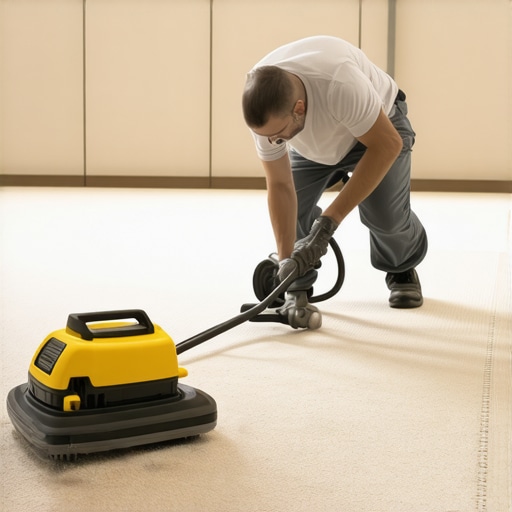
Ever spent hours installing new carpet only to find it bubbling, uneven, or just plain uncomfortable after a few months? I’ve been there. One weekend, I thought I had everything perfectly laid out, but within a year, my floors looked a mess. That lightbulb moment hit me hard: I skipped some crucial steps in floor leveling and installation. Since then, I’ve learned that proper prep isn’t just a chore; it’s the secret to long-lasting comfort and beauty. If you’re tired of redoing your flooring every few years or battling uneven surfaces, stick around. Today, I’ll share practical tips that have transformed my home and can do the same for yours.
Why Skipping Floor Prep Can Cost You Big Time
Honestly, one of the biggest mistakes I made early on was rushing through the floor leveling process. I thought, “It’s just a little bump here and there,” but turns out, those small imperfections add up. They cause uneven wear, create gaps, and even lead to costly repairs down the line. According to experts, neglecting proper leveling can reduce the lifespan of your flooring by up to 30% (source). That’s a lot of money and frustration just because I didn’t take the time to do it right the first time. If you’ve faced similar issues, you’re not alone. But here’s the good news: with a few proven strategies, you can avoid these pitfalls and enjoy a smooth, durable surface that lasts for years.
What’s the real secret behind lasting flooring?
It all starts with understanding why proper preparation matters. Whether you’re installing carpet or laminate, leveling the subfloor ensures your flooring sits flat and stable. It prevents bubbles, creases, and uneven gaps that can ruin the look and feel of your home. Plus, a well-leveled surface reduces wear and tear, making your investment last longer. I’ve personally seen the difference when I took the extra time to level my floors following expert advice. If you want to learn the step-by-step process, I highly recommend checking out these laminate floor leveling tips. They’re straightforward and have saved me from countless headaches.
So, if you’re tired of uneven floors, gaps, or the constant need for repairs, don’t worry. The next sections will walk you through the essential steps to get it right. Ready to transform your space into a durable, comfortable haven? Let’s dive in.
},
Prepare Your Subfloor Like a Pro
Start by clearing the area and inspecting your subfloor for any damage or loose sections. Use a long level or a straightedge to identify high and low spots. This step is crucial because uneven surfaces can cause bubbles in carpet or gaps in laminate. When I did this in my living room, I found a few dips that I hadn’t noticed before. I used a self-leveling compound to fill these low spots, which made a huge difference in the final look and feel of my flooring. To get the best results, follow the manufacturer’s instructions carefully and apply the compound evenly. For detailed guidance, check out these carpet installation strategies.
Level the Floor with Precision
Use a long straightedge and a carpenter’s level to determine the high and low areas. Mark these spots clearly. For minor unevenness, a patching compound or leveling underlayment works well. For larger dips, consider grinding down high spots or adding a leveling layer. When I tackled my floor, I rented a concrete grinder to smooth out the high points, which saved me from future issues. Always test your levelness after each step, and aim for a deviation of less than 1/8 inch across the entire surface. This attention to detail ensures your flooring will sit flat and last longer. For more expert tips, visit this resource on laminate floor leveling.
Prepare for Carpet or Laminate Installation
With a level surface, now focus on the subfloor’s cleanliness and dryness. Remove any debris, dust, or moisture to ensure proper adhesion. For carpet, a clean, smooth subfloor prevents wrinkles and bunching. For laminate, a dry and flat surface prevents gaps and uneven wear. When I installed my laminate, I used a moisture barrier and carefully taped seams to prevent future problems. Remember, a well-prepared subfloor is the foundation of a flawless installation. If you’re installing a shower or bathroom flooring, consider waterproofing and sealing the edges—these small steps can save you from costly water damage later. Check out these shower renovation tips for more advice.
Install Your Flooring with Confidence
Lay out your flooring material, and follow the manufacturer’s instructions for acclimation and installation. For carpets, stretch and secure the material tightly to prevent wrinkles. For laminate, click planks together, ensuring tight seams and proper alignment. When I installed my laminate, I used spacers around the edges to allow for expansion, which prevented buckling when temperatures changed. Use a tapping block and a rubber mallet to snug planks together without damaging edges. For a professional finish, double-check your work regularly and make adjustments as needed. Remember, patience and attention to detail during this phase will pay off with a durable, beautiful floor that lasts for years. To see more about long-lasting home upgrades, visit these laminate flooring tips.
Final Touches for Lasting Beauty
After installation, clean the surface thoroughly and wait at least 24 hours before moving furniture or heavy items onto the new floor. For carpets, vacuum thoroughly to set the fibers. For laminate, avoid exposing it to excessive moisture during the first few days. Regular maintenance, like sweeping and using recommended cleaners, will keep your floors looking new longer. If you’re upgrading your bathroom with new shower flooring, sealing grout and edges can prevent water damage and extend the life of your renovation. For comprehensive renovation ideas, explore these shower renovation tips.
Many homeowners and DIY enthusiasts believe that carpet installation, floor leveling, shower upgrades, and laminate flooring are straightforward tasks. However, even experienced renovators often fall prey to nuanced mistakes that can compromise the longevity and aesthetics of their projects. Let’s dig deeper into some of these hidden pitfalls and how to sidestep them for lasting results.
Why Do Many Overlook Subtle Floor Leveling Nuances?
It’s a common misconception that minor unevenness doesn’t matter as long as the overall surface looks acceptable. In reality, tiny deviations—less than 1/8 inch—can cause significant wear issues over time, especially in high-traffic areas. Many skip detailed subfloor inspections or underestimate the importance of proper moisture barriers, leading to problems like buckling or squeaking. For advanced insights on achieving perfect flatness, check out these expert laminate floor leveling tips.
Common Myths About Carpet Installation
A frequent myth is that stretching the carpet tightly is always best. While tension is vital, over-stretching can cause the carpet to loosen prematurely or create unsightly wrinkles. Proper installation requires a delicate balance and understanding of the carpet’s fibers and backing. Additionally, many underestimate the importance of a clean, dry subfloor; dust or moisture trapped beneath can lead to mold or delamination. To avoid these issues, follow these strategic tips for flawless carpet installation.
Showers and Waterproofing: The Hidden Risks
People often think sealing grout and edges is enough to prevent water damage, but the real mistake is neglecting proper waterproofing beneath tiles and around shower bases. A small oversight, like poor membrane application or failure to seal joints adequately, can cause water ingress that leads to mold and structural damage. Advanced homeowners should consider integrated waterproofing systems and periodic inspections to ensure long-term durability. For detailed guidance, explore these waterproofing strategies.
Laminate Flooring: The Overlooked Details
Many installers believe that clicking planks together is enough, but subtle issues like inadequate expansion gaps or failure to acclimate planks properly can cause buckling or gaps over time. Also, ignoring moisture levels in the environment during installation can lead to warping, especially in kitchens and bathrooms. For long-term durability, familiarize yourself with these essential laminate installation tips.
Have you ever fallen into this trap? Let me know in the comments. Addressing these nuanced mistakes early can save you from costly repairs and ensure your renovation stands the test of time. Remember, paying attention to detail is what separates a good project from a great one.
Invest in Quality Tools for Perfect Results
When it comes to maintaining and repairing your flooring or shower installations, having the right tools makes all the difference. Personally, I swear by a high-quality oscillating multi-tool for minor sanding, grinding, and cutting tasks. Its versatility allows me to smooth out uneven edges on laminate planks or remove old grout around tiles efficiently. For floor leveling, a professional-grade self-leveling compound mixer is essential; I prefer a drill-mounted paddle mixer because it ensures a uniform mix, preventing lumps that could compromise your subfloor.
For detailed inspections, a digital moisture meter is invaluable. I always check moisture levels in subfloors before applying adhesives or leveling compounds, especially when dealing with hardwood or laminate flooring. This step prevents future warping or buckling. When installing or repairing showers, I rely on a quality silicone caulking gun and a grout float to ensure watertight seals and tidy grout lines. These tools help me avoid leaks that could cause water damage down the line.
Software and Planning for Long-Term Success
Beyond physical tools, I use project management software like Trello or Asana to keep track of each step, from leveling to finishing touches. Planning helps me avoid rushing through critical stages, which can lead to mistakes. For example, scheduling drying times for leveling compounds or sealants ensures everything cures properly, extending the lifespan of your renovation.
How Do I Maintain Flooring and Showers Over Time
Consistent maintenance is key to longevity. Regularly sweeping and vacuuming floors prevents grit from causing scratches, especially on laminate and carpet. For showers, I recommend inspecting grout lines and seals every six months and resealing them as needed. Using gentle, pH-neutral cleaners preserves the integrity of your flooring and grout. Additionally, installing a dehumidifier in damp areas can reduce moisture buildup, which is particularly beneficial for preventing mold and mildew.
Future Trends in Home Maintenance
Looking ahead, I believe automation and smart home technology will revolutionize how we maintain our floors and bathrooms. Moisture sensors linked to smartphone apps can alert you to leaks or high humidity levels instantly, enabling proactive maintenance. Investing in these advanced systems now can save you significant repair costs and effort in the long run.
Make Your Maintenance Routine Count
To keep your floors and showers working flawlessly, establish a routine that includes inspecting for damage, cleaning with appropriate products, and addressing minor issues before they escalate. Try incorporating a moisture meter check before sealing or installing new flooring—this small step can make a big difference in durability. Remember, using high-quality tools like a professional grout float or a digital moisture meter will streamline your projects and help you achieve professional results every time.
Don’t underestimate the power of good tools and consistent maintenance. By doing so, you’ll ensure your home improvements stand the test of time, saving you money and stress. Ready to improve your maintenance game? Start with a moisture meter or a quality caulking gun today and see the difference it makes!
The Hardest Lesson I Learned About Floor Leveling and Installation
One of my biggest realizations was that rushing through the subfloor preparation can turn a beautiful upgrade into a nightmare. I once skipped detailed inspection and ended up with bubbles and gaps in my laminate flooring, which took months to fix. Now I know that spending extra time on leveling and moisture barriers is worth every minute for a flawless finish.
3 Myths About Carpet and Laminate Installation That Held Me Back
I used to think that stretching carpet tightly was always best, but I learned that over-stretching causes wrinkles over time. Also, I underestimated the importance of a dry, debris-free subfloor—tiny dust particles can cause major issues like mold or delamination later. Properly understanding these nuances has saved me from costly repairs and headaches.
What Experts Won’t Tell You About Shower Waterproofing
Many overlook the importance of integrated waterproofing systems beneath tiles, assuming sealing grout alone suffices. I discovered that proper membrane installation and sealing around edges prevent water ingress that can lead to mold and structural damage. Investing in advanced waterproofing strategies has been a game-changer for my bathroom renovations.
My Essential Toolkit for Floor and Shower Projects
I trust a high-quality moisture meter to detect hidden dampness before installation, preventing warping. A professional-grade self-leveling compound mixer ensures smooth application for flat surfaces. For sealing and finishing, a durable silicone caulking gun and grout float make all the difference in achieving professional results. These tools have consistently helped me deliver durable, beautiful upgrades.
Your Turn to Try
Remember, paying attention to detail during floor leveling and shower waterproofing can make or break your renovation. With the right tools and knowledge, you can avoid costly mistakes and enjoy a home that truly lasts. Don’t be afraid to take your time and do it right—your future self will thank you.
What’s the biggest challenge you’ve faced when trying to get your floors or showers perfect? Share your experience below and let’s learn together!