Why your carpet feels damp but there is no leak
The phantom moisture in your floor
If your carpet feels damp without a visible leak, you are likely witnessing a phenomenon called vapor drive or hydrostatic pressure where moisture moves from the high-pressure environment of the subfloor into the low-pressure environment of your living space. This occurs when the concrete slab or crawlspace lacks a proper vapor barrier, allowing moisture to migrate upward through capillary action. It is a structural failure, not a plumbing one.
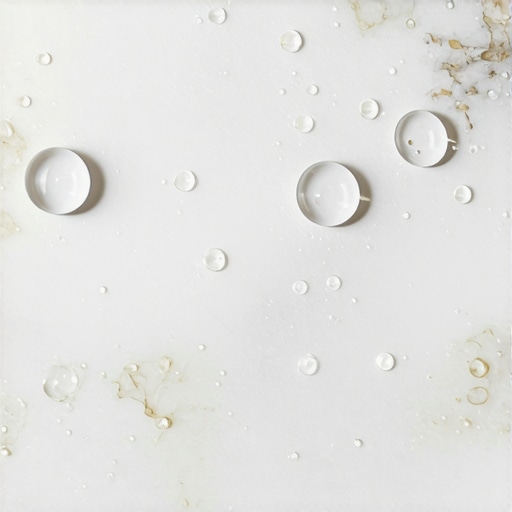
I can smell a wet subfloor from the driveway. It is a specific, heavy scent that tells me the foundation is failing its primary job. I spent three days grinding concrete on a job last month just so the floor wouldn’t click like a castanet, and that is where I found the secret. The homeowners swore there were no leaks. They were right about the pipes, but they were wrong about the ground. Most guys skip the leveling compound and the moisture test. They think the underlayment will hide the dip. It won’t. I saw the moisture beads sitting right on the surface of the slab because the installer ignored the MVER (Moisture Vapor Emission Rate). If you ignore the physics of the slab, the carpet will always feel like a swamp. It will buckle. It will smell. You cannot outrun the chemistry of an unsealed foundation.
The concrete grinding job that taught me everything
Last month, I was called to a house where the owners were convinced their new carpet was defective. They had paid top dollar for a plush pile, but within weeks, it felt clammy. They checked the pipes. They checked the roof. Nothing. I pulled back a corner and saw the problem immediately. The subfloor was an old, porous concrete slab that was literally breathing water. I had to spend three full days grinding that concrete down to a clean surface so I could apply a high-quality moisture mitigation system. Most installers won’t do this because it is back-breaking work that requires heavy machinery and a lot of dust management. But without it, you are just laying a sponge over a puddle. The concrete had high alkalinity, which was actually starting to break down the carpet adhesive and the secondary backing of the rug itself.
“A floor is only as good as the subfloor beneath it; deflection is the enemy of every joint.” – Master Flooring Axiom
Why your concrete slab is actually a liquid
Concrete is a porous material that functions much like a hard sponge, pulling moisture from the soil through capillary action and releasing it into your home. This process is driven by the relative humidity difference between the cool earth beneath the slab and the conditioned air above it. When the moisture reaches the surface, it gets trapped by the carpet pad. This is not a plumbing leak. It is a fundamental breach of the building envelope. You are feeling the earth’s moisture being exhaled into your carpet fibers. If your house was built before 1990, there is a high probability that the polyethylene vapor barrier under the slab has disintegrated or was never installed in the first place.
We have to look at the chemistry of the slab. When water moves through concrete, it picks up calcium hydroxide. This creates a high pH environment. When that high pH moisture hits your carpet, it doesn’t just feel wet. It starts a chemical reaction. It can cause the latex in the carpet backing to undergo a process called re-emulsification. This is when the glue turns back into a liquid. That is why old damp carpet often feels sticky or has a strange, chalky residue. It is the floor literally dissolving from the bottom up because of the moisture vapor emission rate. I always use a calcium chloride test before I even think about bringing a roll of carpet into a room. You need to know the pounds of moisture per one thousand square feet. Anything over three pounds is a disaster waiting to happen.
The thermal bridge that creates a microclimate
A carpet can feel damp due to condensation caused by a significant temperature differential between the subfloor and the indoor air, reaching the dew point. If your floor is significantly colder than the air in the room, the humidity in the air will condense into liquid water right at the base of the carpet fibers. This is common in basements or homes over uninsulated crawlspaces. The carpet acts as an insulator, trapping the cold at the floor level and the warmth just above it. This creates a microclimate where moisture is constantly being pulled out of the air and into the padding. You do not need a pipe to burst to have a flood. You just need physics to do its work.
| Material Type | Max Moisture Tolerance | Common Failure Mode |
|---|---|---|
| Solid Hardwood | 4% MC | Cupping and crowning |
| Laminate Wood | 12% MC | Peaking at the joints |
| Luxury Vinyl Plank | 85% RH | Adhesive failure and mold |
| Standard Carpet | 5 lbs MVER | Latex degradation and odors |
Technical specs for moisture resistance
Understanding the moisture resistance of your flooring materials is the only way to prevent the damp feeling from returning after an installation. Different materials handle vapor drive in different ways, and choosing the wrong one for a high-moisture slab is a recipe for a total loss. Carpet is particularly vulnerable because it is breathable, but the padding underneath is often a closed-cell or open-cell foam that can trap liquid water against the subfloor. This creates a dark, damp environment that is the perfect breeding ground for microbial growth. If you are dealing with a damp slab, you must use a breathable pad or a moisture-wicking underlayment specifically designed for concrete applications.
“The presence of moisture in a subfloor system is the primary cause of flooring failure, regardless of the surface material chosen.” – Master Flooring Axiom
How to stop the dampness forever
To permanently resolve a damp carpet issue, you must address the source of the moisture through external drainage, internal vapor barriers, or mechanical dehumidification. Simply replacing the carpet will not work because the underlying physics remains unchanged. You have to stop the water from reaching the surface of the subfloor. This often involves checking the grade of your yard to ensure water is moving away from the foundation. It might also mean installing a thick, 15-mil vapor barrier over a crawlspace floor to stop the earth’s moisture from rising into the joists and eventually the carpet above.
- Check your gutters and downspouts to ensure they discharge at least six feet from the house.
- Install a high-quality dehumidifier in the basement or crawlspace to lower the dew point.
- Perform a plastic sheet test by taping a 2×2 square of plastic to the subfloor for 48 hours to check for condensation.
- Use an infrared thermometer to check for cold spots on the floor that indicate poor insulation.
- Apply a topical moisture sealer to the concrete slab before installing new padding and carpet.
- Seal the perimeter of the room with a vapor-rated caulk to prevent air migration.
The 1/8 inch rule and why it matters is another factor. If your subfloor has a dip of more than 1/8 inch over a ten-foot span, moisture can pool in those low spots. It doesn’t matter if you have the best carpet in the world. If the subfloor is not level and dry, the installation is a failure. I have walked away from jobs where the homeowner refused to pay for the proper subfloor preparation. I would rather lose a job than have my name on a floor that feels like a wet rag in six months. Flooring is an engineering challenge. It is about managing the transition between the ground and your feet. If you treat it as a cosmetic choice, you will lose every time. Respect the slab. Respect the chemistry. That is the only way to keep your feet dry. Use a professional moisture meter. Do not guess. If it feels wet, it is wet. The science never lies even when the seller does.