Why Your Carpet Seems to Change Color When You Vacuum in One Direction
The phantom of light on fiber
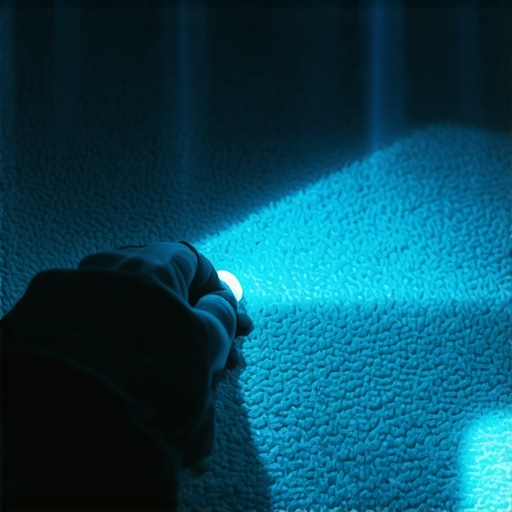
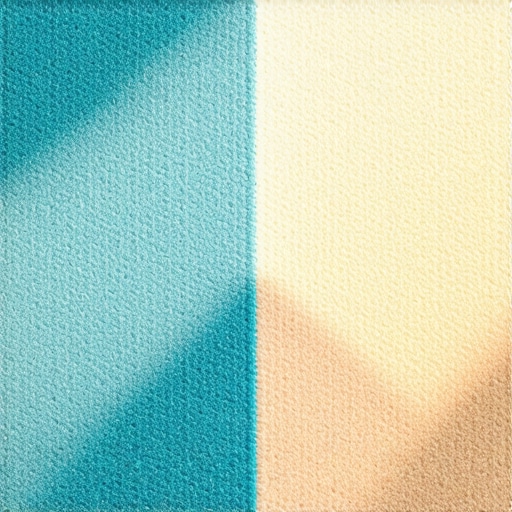
Carpet shading, also known as pile reversal or watermarking, occurs when light reflects differently off the sides of carpet fibers compared to the tips. When you vacuum, the brush roll forces the fibers to lean in a specific direction. Fibers leaning toward the light source appear lighter, while those leaning away absorb more light and appear darker. This is a physical property of the material and has nothing to do with dirt or manufacturing defects. It is simply the way light interacts with the geometry of the pile. This effect is most pronounced in cut-pile carpets like plush or saxony where the fiber tips are exposed and free to move. If you see a dark streak after pulling the vacuum toward you, you are simply seeing the ‘belly’ of the yarn. Push the vacuum away, and you reset the angle. This is not a failure of the product. It is a reality of physics.
I spent three days grinding concrete on a job last month just so the floor wouldn’t click like a castanet. Most guys skip the leveling compound. They think the underlayment will hide the dip. It won’t. I walked into that house smelling like WD-40 and oak dust, ready to pull up a carpet that the homeowner thought was defective. They swore the carpet was changing colors because of a dye lot issue. I knelt down with my light and showed them the subfloor. The carpet was diving into a half-inch depression in the slab. That dip caused the fibers to splay in three different directions at once. It created a permanent shadow that no vacuum could fix. The floor was lying to them, but the carpet was telling the truth. You cannot hide a bad subfloor with a soft surface. It will find a way to show its face.
The mechanics of pile reversal
Pile reversal is the permanent or temporary change in the direction of the carpet nap that alters the light reflection. This phenomenon happens because most modern carpets are tufted, meaning the yarn is punched through a primary backing and then locked in with a secondary backing. Each individual tuft is a tiny tower. When the vacuum cleaner passes over it, the mechanical force of the rotating brush roll exerts torque on the fiber. This torque overcomes the natural vertical orientation of the yarn. If the yarn is made of nylon or polyester, it has a ‘memory’ but that memory is easily overridden by the weight of a vacuum or foot traffic. Over time, consistent traffic patterns can create ‘tracking’ which looks like a different color but is actually just crushed or tilted fiber. Heavy traffic areas will always look darker because the fibers are permanently laid flat, preventing light from bouncing back to your eye.
“A floor is only as good as the subfloor beneath it; deflection is the enemy of every joint.” – Master Flooring Axiom
When we talk about carpet install, we have to talk about tension. Most installers today are lazy. They use a knee kicker for the whole room and call it a day. A knee kicker is for positioning, not for stretching. If a carpet is not power-stretched using a long-pole stretcher, it remains loose. A loose carpet will develop ripples. Those ripples create peaks and valleys. When you vacuum over a ripple, the fibers at the peak are hit harder by the brush roll than the fibers in the valley. This creates an uneven shading effect that looks like a stain. You need to hit 1 to 1.5 percent stretch in both directions. If you don’t, the carpet will grow as it acclimates to the humidity of the house. In places like the humid Southeast, a carpet that isn’t stretched tight will look like a wavy ocean within six months. It will buckle. It will shade. It will fail.
The subfloor secret that no one tells you
Floor leveling is the foundation of any successful carpet installation because it ensures that the padding and carpet sit on a perfectly flat plane. If the subfloor has high spots or low spots, the carpet will wear unevenly. This is especially true if you are transitioning from a hard surface like laminate to carpet. Laminate requires a flat subfloor to prevent the click-lock joints from snapping. Carpet requires a flat subfloor to prevent the backing from delaminating. If the carpet is forced to bridge a gap over a low spot, every time you step on it, the backing flexes. That flexing eventually breaks the latex bond between the primary and secondary backings. This is called delamination. Once the backings separate, the carpet loses all its structural integrity. It starts to look like a baggy sweater. No amount of vacuuming will fix a floor that has lost its bones.
| Fiber Type | Resilience Rating | Shading Propensity | Ideal Traffic Zone |
|---|---|---|---|
| Nylon 6,6 | Excellent | Medium | High Traffic Hallways |
| Polyester (PET) | Moderate | High | Low Traffic Bedrooms |
| Triexta (PTT) | High | Medium | Family Rooms |
| Olefin (Polypropylene) | Low | Very High | Basements |
We also need to consider the chemistry of the subfloor. If you are installing carpet over a concrete slab that hasn’t cured, the moisture will migrate up through the pad and into the carpet. This moisture carries alkaline salts from the concrete. These salts can react with the dyes in the carpet or the adhesives in the backing. This can cause actual color changes that have nothing to do with shading. I always use a moisture meter. If the slab is over 80 percent relative humidity, we don’t install. We wait. Or we use a vapor barrier. Most guys just throw the pad down and leave. Then the homeowner wonders why their carpet smells like a locker room and has yellow spots near the showers. Moisture travels. It finds the path of least resistance. Often, that path is your expensive new carpet.
The 1/8 inch that ruins everything
Industry standards require a subfloor to be flat within 1/8 inch over a 10-foot radius to ensure structural integrity and aesthetic uniformity. This is the gold standard for laminate and hardwood, but it is equally vital for carpet. When a vacuum cleaner moves across a floor that is out of spec, the wheels of the vacuum drop into the low spots. This causes the brush roll to dig deeper into the carpet pile in some areas than others. This aggressive agitation changes the texture of the fiber. Over years of cleaning, you are essentially ‘sanding’ your carpet with the vacuum brush. The areas that sit higher on the subfloor will show more wear and more shading than the areas in the dips. It is a slow-motion disaster. You won’t notice it the first week, but by year three, the floor will look ten years old. The ghost in the expansion gap is the air that moves under the baseboards, pulling dust and soil into the edges of the carpet. This is called filtration soiling. It creates a dark ring around the room that looks like shading but is actually trapped carbon particles. If your subfloor isn’t sealed and your carpet isn’t tucked tight, your floor becomes a giant air filter.
- Check subfloor moisture levels with a pinless meter before bringing material inside.
- Ensure the subfloor is flat within 1/8 inch over a 10 foot span using a straight edge.
- Acclimate the carpet and pad to the home temperature for at least 48 hours.
- Use a power stretcher for all areas larger than 10 by 10 feet.
- Verify that tack strips are secured with the points facing the wall.
- Install a high-density pad with a minimum weight of 8 pounds for residential use.
The padding you choose is just as important as the carpet itself. Many homeowners want the thickest, softest pad they can find. This is a mistake. Too much cushion causes the carpet backing to stretch and flex excessively every time you walk on it. This leads to premature shading and eventual delamination. A thinner, denser pad provides better support. It keeps the carpet fibers more vertical, which reduces the amount of light refraction and shading. It also protects the locking mechanisms if the carpet is adjacent to a floating laminate floor. If the transition is too soft, the laminate will move too much at the edge, causing the tongue and groove to fail. You need a firm foundation. Softness is a trap. Firmness is a long-term investment in the life of the floor.
“The integrity of the pile is a reflection of the stability of the base; movement is the father of wear.” – Flooring Mechanics Handbook
The final verdict on carpet shadows
Understanding why your carpet seems to change color requires looking beneath the surface. It is a combination of light physics, fiber memory, and subfloor preparation. When you vacuum, you are not just cleaning; you are reorienting a complex structural system. If you want a floor that looks consistent, you must invest in the preparation. Level the floor. Use the right pad. Stretch it until it screams. Only then will the light reflect the way it was designed to. Don’t blame the vacuum for what the subfloor is doing. Take care of the bones, and the skin will take care of itself. Stop looking for shortcuts in the aisles of big-box retailers. They sell you the fluff, but they don’t sell you the engineering. Real floors are built from the slab up, not the top down. Stick to the standards. Follow the physics. That is how you get a floor that lasts a lifetime without looking like a topographical map of the moon.