Why Your Shower Grout Still Cracks After Three Repairs
I spent three days grinding concrete on a job last month just so the floor wouldn’t click like a castanet. Most guys skip the leveling compound. They think the underlayment will hide the dip. It won’t. I have seen this exact same laziness in shower installations for over twenty five years. You see a crack in your shower grout and you assume the grout is the culprit. You go to the big box store and buy a tub of premixed patch or a bag of high tech polymer grout. You scrape and you fill. Six months later the crack is back. It is not the grout. It is the physics of what is happening under your feet. A shower is a structural engineering environment where moisture meets mechanical movement. When those two forces collide without the proper substrate prep, the grout is just the first thing to telegraph the failure. I smell like oak dust and WD-40 most days because I handle the reality of these surfaces. If your grout is cracking, your floor is moving. Period. Whether you are dealing with floor leveling issues or a bad carpet install elsewhere in the house, the shower is where the smallest error becomes a catastrophe.
The physics of deflection and the failure of timber
Deflection is the measurement of how much a floor system bends under a specific load. For tile and grout, the industry standard is L over 360, which means the floor should not bend more than the length of the span divided by 360. If your joists are too thin or spaced too far apart, the grout will crack every time. Most residential homes are built to the bare minimum code. This might be fine for a carpet install where the padding absorbs the bounce. It is even okay for laminate which floats on a foam layer. But tile is a rigid crystalline structure. It does not bend. When the plywood subfloor bows under the weight of a person, the grout joint is squeezed or pulled. This mechanical stress exceeds the tensile strength of the mortar. You can buy the most expensive epoxy grout on the market and it will still fail if the subfloor is bouncing like a trampoline. You need to look at the joist spacing and the thickness of the subfloor. A single layer of five eighths inch plywood is never enough for a shower. You need stiffness. You need mass. Without it, you are just putting a band-aid on a broken leg.
“A floor is only as good as the subfloor beneath it; deflection is the enemy of every joint.” – Master Flooring Axiom
Why your subfloor is lying to you
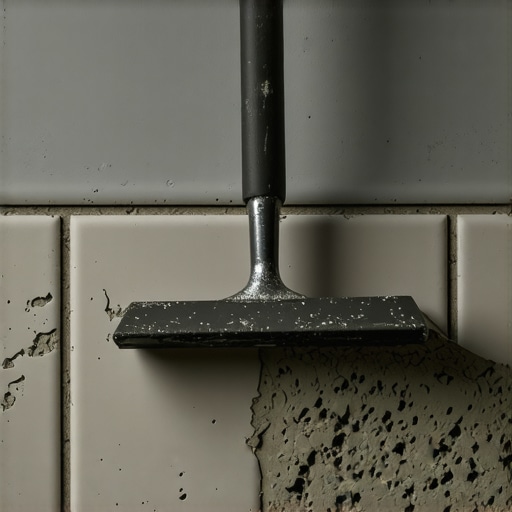
Subfloor flatness is often confused with being level, but for a shower, flatness is the only metric that prevents grout failure. A floor can be slanted and still hold tile, but a floor with humps and dips will snap the bond between the thin set and the tile. I have seen installers try to use extra thin set to level out a dip in the floor. This is a rookie mistake. Thin set is not a leveling agent. As it cures, it shrinks. If you have a quarter inch of mud in one spot and an eighth of an inch in another, the uneven shrinkage creates internal tension. This tension pulls at the grout line before you even take your first shower. This is why floor leveling compounds are non negotiable. You need a flat plane. If I see a dip of more than an eighth of an inch over ten feet, I am pulling out the grinder or the self leveler. I do not care if it takes an extra day. I would rather spend eight hours on my knees grinding concrete than eight years answering phone calls about cracked grout. The subfloor is the foundation of the entire system. If the foundation is crooked, the house will eventually show the cracks.
The chemical reality of modified thin set
Modified thin set contains polymers that allow for a tiny amount of flexibility and a much stronger bond to the tile. If your installer used unmodified mortar on a substrate that requires more grip, the tile will micro-move and the grout will inevitably crumble. Chemistry matters in the shower. You have to understand the bond between the substrate, the waterproofing membrane, and the tile itself. Standard unmodified mortar is just Portland cement and sand. It is brittle. Modified mortars add latex or acrylic polymers. These polymers create a bridge across the microscopic pores of the tile. In a shower environment where temperature changes cause expansion and contraction, these polymers act like tiny shock absorbers. If you used a cheap bag of mud from a discount retailer, you likely do not have the bond strength required to keep the assembly monolithic. When the tile detaches even a fraction of a millimeter, the grout loses its support. It becomes a floating bridge that collapses under the weight of a footstep. You need to match your mortar to your tile type. Porcelain tile has a water absorption rate of less than point five percent. It is basically glass. You cannot use basic mortar on glass and expect it to stick forever.
Comparing substrate performance for shower longevity
| Substrate Type | Deflection Resistance | Moisture Sensitivity | Best Use Case |
|---|---|---|---|
| Traditional Mud Bed | High | Low | Custom Slopes |
| Cement Backer Board | Medium | High | Standard Tubs |
| High Density Foam Board | Medium | Very Low | Modern Waterproofing |
| Exterior Grade Plywood | Low | Extreme | Base Layer Only |
The one eighth inch that ruins everything
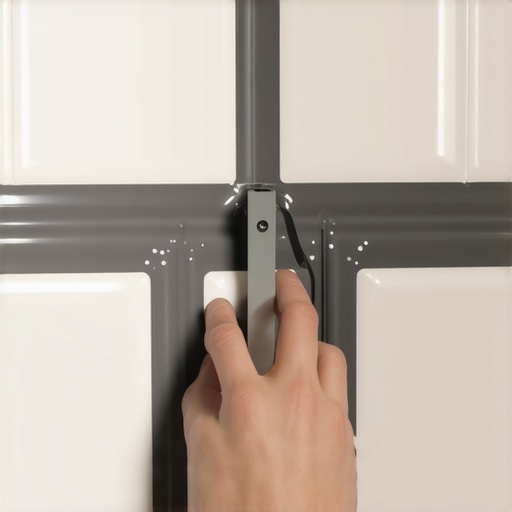
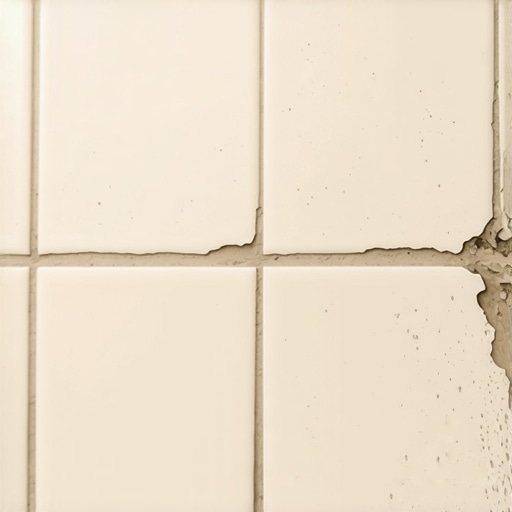
Expansion gaps are required at every change of plane and every perimeter because materials expand when they get wet or warm. If your installer ran the tile tight against the wall or used grout in the corners instead of 100 percent silicone, the grout will crack. Everything in your house is breathing. The wood studs in the walls expand in the summer humidity. The joists under the floor shrink in the winter. If you fill the corner where the floor meets the wall with rigid grout, you have created a hard joint. When the walls move and the floor stays still, that grout has nowhere to go but out. This is called a change of plane. Industry standards from the TCNA mandate that these joints must be flexible. This means caulk or silicone that matches the grout color. I see guys ignore this because they think it looks cleaner to have a solid grout line. It looks clean for a month. Then the house shifts and you have a jagged vertical crack that lets water seep into the framing. That water leads to rot, and rot leads to more movement. It is a cycle of destruction started by a missing eighth of an inch gap.
“Movement joints are not optional; they are the pressure relief valves of a tile installation.” – TCNA Handbook Principle
The regional impact of humidity on substrate expansion
Regional climate dictates how much a floor system will move throughout the year, with high humidity areas requiring more robust expansion planning than arid environments. A shower in the swampy heat of New Orleans will face different structural stresses than one in the dry air of Denver. In humid regions, the moisture content of the wooden subfloor can fluctuate significantly. Wood is hygroscopic. It absorbs water from the air and grows. If you install a tile floor during a dry spell and do not account for the summer swell, the floor will literally heave. This upward pressure puts the grout in a state of compression. In contrast, in dry climates, the wood can shrink so much that it pulls the joists away from the subfloor, creating voids. These voids are the death of grout. I always check the moisture content of the subfloor with a pin meter before I even think about thin set. If the plywood is at fourteen percent and the room is at fifty percent humidity, I am waiting. You cannot fight nature. You have to work within the limits of the materials in your specific climate. This is why I am skeptical of builders who use the same specs in Phoenix as they do in Seattle. The physics do not translate.
Checklist for a crack free shower floor
- Verify joist spacing is sixteen inches on center or less for maximum stiffness.
- Ensure subfloor thickness meets a minimum of one and an eighth inch total.
- Use a high quality self leveling underlayment to eliminate dips and humps.
- Apply a liquid or sheet waterproofing membrane to decouple the tile from subfloor movement.
- Select a polymer modified thin set rated for the specific tile porosity.
- Install 100 percent silicone sealant at all corners and transitions.
- Confirm the subfloor moisture content is within four percent of the finished rooms average.
Why your shower pan is a ticking time bomb
A failing shower pan liner or a poorly sloped mortar bed allows water to saturate the substrate, which softens the subfloor and leads to structural movement. If the grout is cracking specifically around the drain, you likely have a moisture management problem. If water is sitting under your tile because the pre slope was done incorrectly, it is constantly attacking the bond of your mortar. Most people think tile and grout are waterproof. They are not. Water goes through grout like a sieve. The real waterproofing is underneath. If that system fails, the wood below begins to delaminate. Plywood is held together by glue. Constant moisture breaks that glue down. The plywood becomes soft and spongy. At that point, no amount of regrouting will help you. You are walking on a sponge. The grout is cracking because the floor is literally rotting beneath it. I have torn out showers where the subfloor looked like wet cardboard. The homeowner thought they just had a grout problem. They actually had a structural failure caused by three years of slow leaks. You have to respect the water. If you do not give it a clear path to the drain, it will find a path into your floor joists.
The structural reality of your flooring investment
The longevity of your shower depends entirely on the hidden components that you will never see once the tile is laid. Spending money on expensive aesthetics while skimping on the subfloor and mortar is a recipe for a total loss. I often tell clients that I am not a decorator. I am an architect of surfaces. If you want a floor that lasts thirty years, you have to invest in the prep. This means floor leveling. This means decoupling membranes. This means high grade adhesives. A carpet install is easy to fix. You pull it up and put down new pad. A laminate floor is easy to swap. You click it out. A shower is a permanent installation. If the grout is cracking, it is a warning sign. It is the building telling you that something is moving where it should be still. Do not just scrape it out and replace it with more of the same. Find the movement. Fix the deflection. Level the floor. Only then can you expect the grout to stay where it belongs. I have seen too many people waste thousands of dollars on beautiful stone only to have it ruined by a twenty dollar sheet of low grade plywood. Do it right the first time or do not do it at all. The physics of the floor will always win in the end.