Why Your New Carpet Has Visible Rows of Holes
Most guys skip the leveling compound. They think the underlayment will hide the dip. It won’t. I spent three days grinding concrete on a job last month just so the floor wouldn’t click like a castanet. I have seen homeowners spend thousands on premium Saxony only to find visible lines running across the room that look like a construction error. My hands are stained with the residue of a hundred different adhesives, and my knees have the permanent calluses of a man who knows that a floor is only as good as the prep work. If you see rows of holes in your carpet, you are likely looking at a failure of tension, a manufacturing gauge issue, or a fundamental misunderstanding of how textile backings interact with subfloor physics. It is not just about the fiber. It is about the structural integrity of the installation.
The mechanical reality of tufting needles
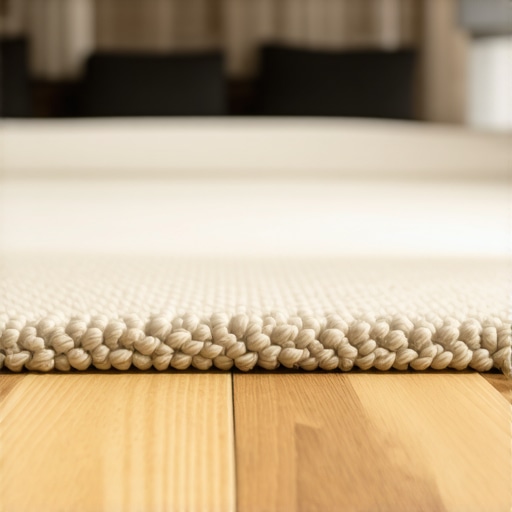
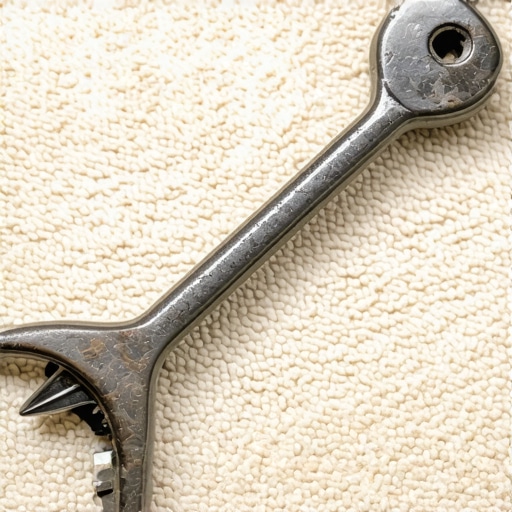
Carpet tufting needles are the primary industrial tools used to create modern textile floor coverings like nylon or polyester carpets. These steel needles punch through a polypropylene primary backing at high speeds to deposit yarn loops. If the needle gauge is set to 1/8 inch instead of 1/10 inch, the rows of holes become more apparent because there is more space between each tuft. This is often referred to as grinning. When the carpet is bent over a stair nose or a high spot in the floor, the gaps between these needles reveal the backing underneath. This is a common characteristic of lower-density products, but it can be exacerbated by poor installation techniques. The density of the carpet, calculated by multiplying the pile weight by 36 and dividing by the pile height, determines how well these holes are masked. A lower density means the holes are a permanent part of your visual landscape unless the installer uses specific stretching techniques.
“A floor is only as good as the subfloor beneath it; deflection is the enemy of every joint.” – Master Flooring Axiom
The failure of the power stretcher
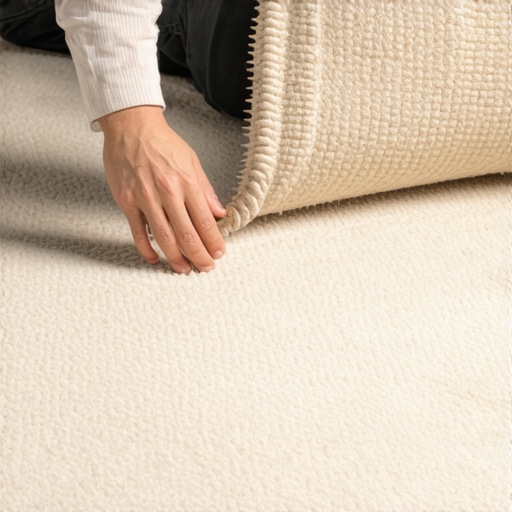
Power stretchers are mandatory for a carpet install that involves synthetic backings like ActionBac. A knee kicker is only intended for positioning or small closets, yet many installers use it as their primary tool. Without the 15 pounds of linear pressure provided by a power stretcher, the carpet backing remains in a relaxed state. This relaxation allows the rows of holes created during the tufting process to stay open and visible. When you stretch a carpet properly, you are physically pulling the primary and secondary backings until they reach a state of dimensional stability. This tension closes the gaps between the yarn tufts. If your installer didn’t bring a long pole and a head unit into your house, your carpet is not stretched. It will buckle. It will shift. The visible rows you see are simply the carpet sitting loose on the tack strip, waiting to develop wrinkles.
Subfloor leveling and the illusion of flatness
Floor leveling is a mandatory prerequisite for any surface installation, whether you are laying laminate, hardwood, or plush carpet. Many people think that carpet padding will hide a 1/4 inch dip in a concrete slab. This is a lie. If the subfloor is not level, the carpet will bridge over the low spots. This creates a void where the carpet backing is not supported. When you walk across these areas, the carpet flexes and the rows of yarn splay apart, revealing the holes from the tufting needles. In my years of experience, I have found that spending the extra time with a self-leveling underlayment or a grinder is the only way to ensure the visual lines of the carpet remain consistent. A flat floor ensures that the tension is distributed evenly across the entire surface, preventing the mechanical gaps from showing through the pile.
Chemical delamination and the latex bond
SBR latex is the chemical adhesive used to bond the primary backing to the secondary backing in almost all tufted carpets. This synthetic rubber provides the shear strength necessary to keep the tufts locked in place. However, if the carpet is exposed to high alkalinity or excessive moisture, the latex bond begins to break down. This is called delamination. When the layers separate, the tension of the carpet is lost, and the rows of holes become visible because the structural integrity of the carpet has failed. This is why you must never use a steam cleaner that overwets the carpet. The heat and water can emulsify the latex, leading to a floor that looks like a series of disconnected yarn rows. In regions like Houston or New Orleans, the ambient humidity can also play a role in softening these chemical bonds over time.
Humidity influence from master showers
Showers and bathrooms generate significant amounts of water vapor that can migrate into carpeted bedrooms. This humidity is a silent killer for textile floors. When moisture enters the nylon fibers, they can swell by up to 3 percent. This swelling changes the geometry of the carpet rows. If the ventilation in a master suite is poor, the steam from daily showers will settle into the carpet pile and penetrate the secondary backing. This causes the latex to soften and the carpet to expand. As the carpet expands, it loses its tension on the tack strips. The result is a floor that looks wavy and shows every single needle hole from the factory. I always tell my clients to run their exhaust fans for at least 20 minutes after a shower to protect their flooring investment.
| Property | Builder Grade | Premium Grade |
|---|---|---|
| Janka Rating | 600 | 1800 |
| Mil Thickness | 6 mil | 20 mil |
| Density | 2000 | 5000 |
| Latex Content | Low | High |
The physics of the tack strip
Tack strips are the mechanical anchors that hold your carpet install under tension. Each plywood strip is embedded with dozens of zinc-coated nails angled at 60 degrees. If the installer places the tack strip too far from the baseboard, the carpet cannot be tucked properly. This creates a stress point at the perimeter of the room. When the carpet is stretched toward a wall that has an improperly placed tack strip, the primary backing can tear slightly. These small tears look exactly like rows of holes. A master installer knows that the gap between the tack strip and the wall should be exactly two-thirds the thickness of the carpet. Any more, and you lose tension. Any less, and you cannot tuck the edge. It is a game of millimeters that dictates the longevity of the floor.
“Standard moisture vapor emission rates should not exceed three pounds per one thousand square feet over twenty four hours.” – NWFA Technical Guideline
Hardwood vs laminate vs carpet durability
Laminate and hardwood offer a rigid core that does not suffer from the mechanical rowing issues found in carpet. However, they require even more stringent subfloor prep. While carpet might show rows of holes due to a dip, laminate will simply snap at the locking mechanism. I have seen click-lock floors fail within weeks because the installer thought the underlayment would compensate for a unlevel slab. If you are tired of seeing the mechanical gaps in your textile floor, moving to a hard surface is an option, but you must address the foundation first. A level floor is the only way to avoid aesthetic and structural failures. Whether it is vinyl, wood, or carpet, the physics of the subfloor remain the same.
Technical inspection checklist
- Check the needle gauge of the carpet before installation.
- Verify that a power stretcher was used on every seam.
- Ensure the floor leveling compound was applied to all low spots.
- Inspect the latex bond for signs of delamination.
- Measure the humidity levels near showers and kitchens.
- Confirm the tack strip distance is consistent around the perimeter.
Maintenance for structural integrity
Vacuuming with a beater bar set too low can actually damage the yarn tufts and make the rows of holes more prominent. You are essentially abrading the fibers and exposing the primary backing. To keep a carpet install looking fresh, you must use a vacuum with adjustable height. This prevents the mechanical stress of the brush roll from widening the gaps between the rows. Additionally, professional cleaning should use low-moisture encapsulation rather than hot water extraction if the subfloor has moisture issues. Protecting the chemical bond of the latex is the most essential part of long-term carpet care. If you treat your floor with the technical respect it deserves, those visible holes will remain hidden behind a dense pile of resilient fibers.