How to Install a Linear Shower Drain Without Cutting the Joists
The structural integrity of a floor system is the only thing standing between a successful wet room and a catastrophic collapse. Most guys skip the leveling compound. They think the underlayment will hide the dip. It won’t. I spent three days grinding concrete on a job last month just so the floor wouldn’t click like a castanet, and that was for a simple laminate install. When you move into the bathroom and start talking about linear shower drains, the stakes get higher. You cannot just hack into a 2×10 joist to make a pipe fit. That is a amateur move that compromises the load bearing capacity of the entire house. A floor is a performance surface, and if that surface moves even a millimeter, your grout lines will crack and your waterproofing will fail.
The structural reality of the floor joist
Standard floor joists provide the primary support for the subfloor and cannot be notched or drilled beyond specific limits defined by local building codes. To install a linear drain without cutting these members, you must utilize an offset waste outlet or a wall mounted drainage system that sits parallel to the joists. This approach preserves the structural timber while allowing for the necessary 2 percent slope required for proper water evacuation in showers. You have to understand the physics of deflection. Most residential floors are engineered for L over 360, which means the floor can bend 1/360th of its span. For tile and showers, I prefer L over 720. If you cut a joist, you throw those numbers out the window and invite a structural failure. I have seen 3/4 inch white oak floors buckled in hallways because a plumber got lazy in the adjacent bathroom and notched a main support beam. It is not just about the bathroom, it is about the whole house.
“A floor is only as good as the subfloor beneath it; deflection is the enemy of every joint.” – Master Flooring Axiom
The linear drain advantage for modern showers
Linear shower drains allow for a single plane of slope toward one wall, which eliminates the complex four way pitch required by traditional center drains. This geometry simplifies floor leveling and makes it possible to use large format tile or even transition from a laminate hallway into a zero entry bathroom. When you use a linear system, you are essentially creating a ramp. This ramp can be built up using a dry pack mortar bed or a prefabricated foam tray. The key is the placement. If you place the drain against the wall that runs parallel to your joists, the plumbing can drop straight down into the joist bay without ever touching the wood. This is where most people mess up. They pick a spot for the drain before they look at what is underneath. You need to pull up the subfloor and see where those 2x10s are running. If the joist is right where you want the drain, you move the drain, you do not cut the joist.
The physics of the offset waste outlet
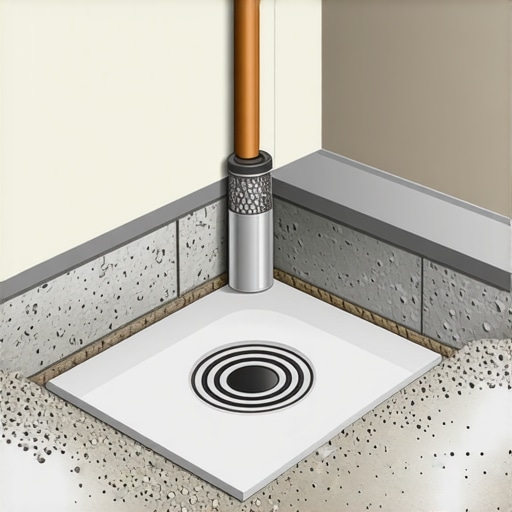
An offset waste outlet is a specialized drainage component that shifts the vertical exit point of the water several inches away from the center of the drain channel. This allows the plumber to route the waste pipe around a floor joist rather than through it, maintaining the structural integrity of the floor. I have used these on dozens of remodels where the client wanted a linear look but the house was built in the 1970s with tight joist spacing. You have to be careful with the chemistry of the adhesive and the primer. When joining PVC or ABS pipes, the bond must be absolute. I have seen leaks occur because an installer used an expired cement or failed to de-burr the pipe ends. In a shower, a pinhole leak is a slow motion disaster. It will rot the subfloor, create mold, and eventually make the carpet install in the next room smell like a swamp. You have to treat every joint like it is under high pressure, even though it is just a gravity drain.
Why your subfloor is lying to you
Subfloor levelness is often mistaken for floor flatness, but these are two different metrics that affect how a linear drain functions. A subfloor might be level across the room but have a significant dip that prevents the 1/4 inch per foot slope needed for the shower to drain correctly. Floor leveling is the most ignored step in the process. I always use a 10 foot straightedge. If I see a gap larger than 1/8 of an inch, I am reaching for the self leveling underlayment. People complain about the cost of the bags, but they do not realize that a flat floor makes the tile install ten times faster. If you are planning on putting laminate or luxury vinyl plank outside the shower, that subfloor needs to be even flatter. While most people want the thickest underlayment, too much cushion actually causes the locking mechanisms on LVP to snap under pressure. It is the same with shower pans. If the base is not solid, the drain will move, the seal will break, and you are back to square one.
| Feature | Standard Center Drain | Linear Shower Drain |
|---|---|---|
| Slope Requirement | Four-way pitch | One-way pitch |
| Tile Compatibility | Small mosaics only | Large format compatible |
| Joist Interference | High risk | Low risk with offset |
| Cleaning Frequency | High hair buildup | Integrated hair catchers |
| Flow Rate | 8-10 GPM | 12-20+ GPM |
The chemistry of the waterproof bond
Waterproofing a linear drain requires a chemical and mechanical bond between the drain flange and the liquid or sheet membrane. Using a modified thin-set that meets ANSI A118.15 standards ensures that the bond can withstand the thermal expansion and contraction of the floor system. You cannot just slap some caulk around the drain and call it a day. I use a fleece backed membrane that gets embedded into the thin-set. This creates a monolithic barrier. The physics of water molecules is simple, they will find the path of least resistance. If there is a microscopic gap in your waterproofing, the water will find it. This is why acclimation is also important, even for the subfloor. If you install a new plywood subfloor and immediately tile over it without letting it adjust to the home’s humidity, the wood will shrink, the thin-set will shear, and your expensive linear drain will start to leak. I have seen it happen in high humidity regions like Florida, where the wood is practically dripping when it arrives at the job site.
“The integrity of the waterproof envelope is non-negotiable; a single breach renders the entire system a failure.” – TCNA Handbook Adaptation
The shower to carpet transition
Transitioning from a wet area to a carpet install or laminate floor requires a precise height calculation to ensure a flush finish. A linear drain at the entry of the shower allows for a curb-less design where the bathroom floor remains at the same elevation as the surrounding rooms. This is the holy grail of modern flooring. To get this right, you have to calculate the thickness of your tile, the thin-set, the waterproofing membrane, and the subfloor. If your hallway has a thick carpet and a 1/2 inch pad, you have some wiggle room. If you are running a thin laminate, you have to be perfect. I often have to sister new joists next to the old ones, not because the old ones are weak, but because I need a perfectly level plane to start my buildup. This is the structural zooming I talk about. You are not just looking at the top surface, you are looking at the stack of materials from the joist up to the wear layer.
Required installation steps for joist preservation
- Identify joist direction and spacing using a high quality stud finder or by removing the subfloor.
- Select a linear drain with a side outlet or an adjustable offset to avoid direct vertical interference.
- Dry fit the plumbing assembly to ensure a 2 percent slope without hitting the structural members.
- Install a 3/4 inch plywood or OSB subfloor with adhesive and screws to minimize deflection.
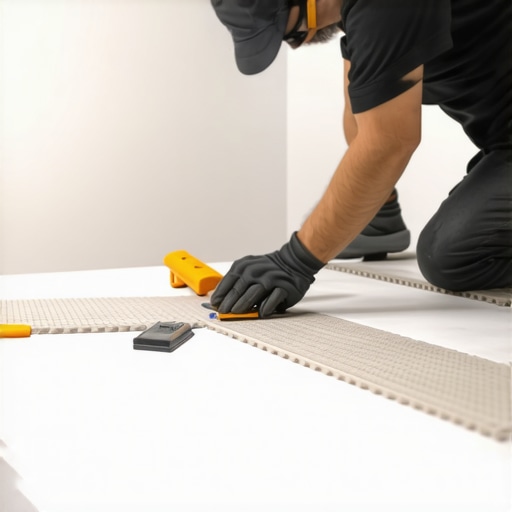
- Apply a self leveling compound to the entire bathroom floor to create a perfectly flat starting point.
- Install the linear drain body according to the manufacturer specifications, ensuring it is level across its length.
- Create the shower slope using a high density foam kit or a traditional mortar bed.
- Apply the waterproofing membrane, extending it at least 6 inches up the walls and over the drain flange.
- Perform a 24 hour flood test to verify the integrity of the drain and the waterproofing bond.
The final word on structural integrity
Installing a linear drain is not a weekend DIY project for someone who just bought their first drill. It is an engineering challenge that requires an understanding of plumbing, carpentry, and material science. You have to respect the house. The joists are the bones. You do not break the bones to fit the skin. If you follow the rules of physics and use the right offset components, you can have that high end look without the structural nightmare. Remember that every decision you make, from the grit of the sandpaper on the subfloor to the brand of the PVC primer, affects the longevity of the floor. Do not be the guy who gets a phone call three years later because the kitchen ceiling is leaking. Do it right, check your levels, and never, ever cut a joist.