Why Your New Carpet Feels Hard Underneath and How to Check the Pad Density
The myth of the soft surface
A hard carpet usually indicates a failure in the relationship between the pile height and the cushion density underneath. This sensation often stems from using a high-density pad that lacks sufficient thickness or a subfloor that was never properly prepared with floor leveling compounds to remove structural peaks that telegraph through the padding and the primary backing of the carpet.
I spent three days grinding concrete on a job last month just so the floor wouldn’t click like a castanet. Most guys skip the leveling compound. They think the underlayment will hide the dip. It won’t. I have seen countless homeowners drop five figures on a luxury soft-fleece carpet only to complain that it feels like walking on a basketball court. The culprit is rarely the carpet itself. It is the physics of the cushion. When you step on a floor, you are engaging a multi-layered system of energy absorption. If the padding is too dense, it does not compress. If it is too thin, you bottom out against the concrete or plywood. We treat carpet install projects as engineering tasks, not just rolling out fabric. The chemistry of the pad, specifically the rebonded polyurethane foam, determines the ergonomic feedback of the room. If your carpet feels like stone, you likely have a pad with an Indentation Load Deflection rating that is far too high for residential comfort.
The physics of the cellular bounce
Carpet pad density is measured in pounds per cubic foot and dictates how much force is required to compress the air pockets within the polyurethane structure. For most residential applications, an 8-pound pad is the gold standard because it provides a balance of support for the carpet backing while allowing enough compression for human joints to perceive softness during the gait cycle.
To understand why your floor feels rigid, we must zoom into the molecular level of the padding. Most residential cushions are made from rebonded foam, which is a collection of scrap high-density polyurethane bits fused together under heat and pressure with a chemical binder. This binder is often a Methylene diphenyl diisocyanate (MDI) based adhesive. If the manufacturer uses too much binder or compresses the foam scraps too tightly, the resulting cellular structure becomes closed and rigid. It loses its ability to move air. When you step on it, the air cannot escape the cells quickly enough to allow for a soft landing. This is the same reason why industrial flooring feels so different from a bedroom floor. The lack of air movement within the pad turns a soft carpet into a hard shell. This is especially noticeable if you transition from a room with laminate or hardwood, where you expect rigidity, into a carpeted area that fails to provide the expected relief.
“A floor is only as good as the subfloor beneath it; deflection is the enemy of every joint.” – Master Flooring Axiom
The 8 pound standard for residential comfort
The weight of the cushion is the most significant factor in determining the longevity of the carpet and the comfort of the walking surface. A pad that is too light, such as a 4-pound or 6-pound variant, will collapse under traffic and lead to premature carpet wear, while anything over 10 pounds starts to feel like commercial grade utility flooring.
| Pad Type | Density (lb) | Thickness (in) | Comfort Level |
|---|---|---|---|
| Rebond Foam | 6.0 | 0.50 | High (Soft) |
| Rebond Foam | 8.0 | 0.43 | Optimal |
| Frothed Foam | 12.0 | 0.37 | Very Firm |
| Fiber Pad | 15.0 | 0.25 | Rigid |
Checking the density of your installed pad requires a physical sample. If you have a scrap from the installation, you can calculate the density yourself by weighing a square foot of the material. If a one-foot by one-foot square of half-inch pad weighs 0.5 pounds, you are looking at an 8-pound density product. Most people assume that a thicker pad is always better. This is a dangerous misconception. The Carpet and Rug Institute (CRI) actually warns that a pad that is too thick, specifically over 7/16 of an inch for many styles, can cause the carpet to flex too much at the seams. This constant bending will eventually snap the latex bond in the primary backing, leading to delamination and those ugly bubbles you see in old houses. A thinner, denser pad is actually better for the carpet’s lifespan, even if it feels slightly firmer underfoot.
The ghost in the expansion gap
Subfloor prep is the most ignored phase of a carpet install but it dictates the final feel of the room more than the carpet fibers. If the installer did not use a floor leveling compound to smooth out the subfloor, the carpet pad will follow every hump and valley in the concrete, creating hard spots where the pad is pinched.
When I talk about floor leveling, I am talking about the structural integrity of the entire assembly. Imagine a concrete slab in a basement. If that slab has a high spot, the carpet pad is compressed even before you step on it. You are walking on a pre-compressed material. It has no more travel left. It is like a car with bottomed-out suspension. Every step goes straight to the bone. This is why proper prep is non-negotiable. We also have to look at moisture. Just like you would never install wood in showers, you cannot put carpet over a damp slab without a vapor barrier. Moisture makes the padding swell and can even react with the chemical binders in rebond foam, making it brittle and hard over time. A crusty, aged pad feels like walking on dried leaves and concrete. It is a miserable experience that usually results from a cheap install where the moisture levels were never tested with a calcium chloride kit.
How to verify your pad quality
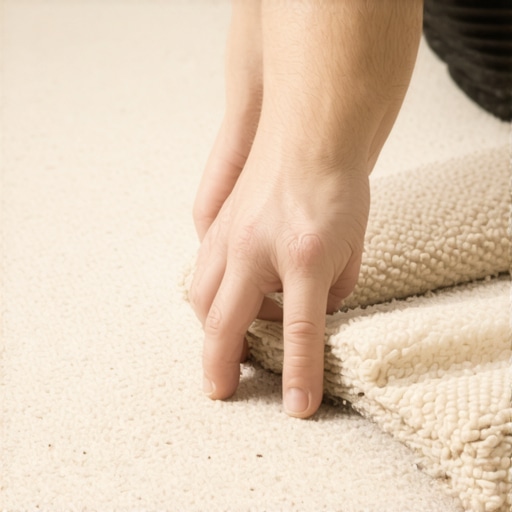
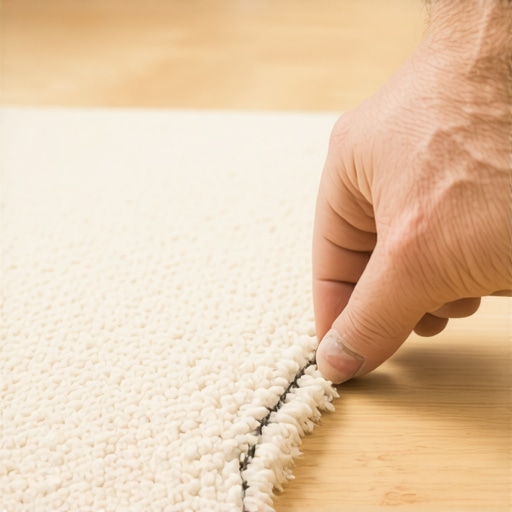
Identifying a subpar pad after the carpet has been stretched requires a tactile inspection at the perimeter of the room. You must pull back a small corner of the carpet near the tack strip to feel the material directly and check for the manufacturer stamp on the underside.
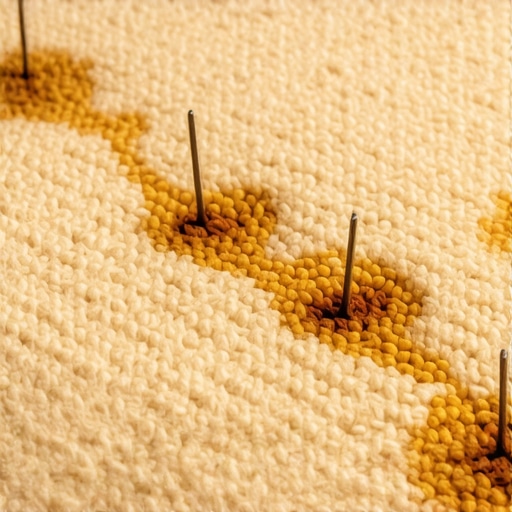
- Pull back a corner using pliers, being careful not to bend the tack strip pins.
- Squeeze the pad between your thumb and forefinger to check for immediate bottoming out.
- Check the color coding, as many manufacturers use specific colors for different density ratings.
- Verify the thickness using a digital caliper to ensure it matches your contract.
- Inspect the subfloor for dust or grit which suggests the pad is disintegrating.
If you find that your pad is crumbly or lacks the resilience to bounce back after a firm squeeze, it was likely an inferior product or damaged by high alkalinity in the concrete slab. This is common in new builds where the builders use the cheapest available cushion to save a few cents per square foot. They know that by the time the homeowner notices the floor feels like a sidewalk, the warranty period will be over. You deserve better than builder-grade garbage. A quality frothed foam or a high-end rubber cushion will maintain its cell structure for decades, whereas cheap rebond will fail in five years.
“Consistency in the subfloor profile is the only way to ensure the performance of the finish material.” – Floor Tech Standards
The 1/8 inch that ruins everything
Small variances in the subfloor height are magnified by the tension of a power-stretched carpet. When a carpet is properly stretched to 1 percent to 1.5 percent of its length, it acts like a drum skin, and any irregularity underneath creates a hard point of contact.
Most homeowners don’t realize that a carpet installer should be using a power stretcher, not just a knee kicker. A knee kicker is for positioning. The power stretcher is for the actual work. If the carpet is not stretched tight enough, it will move over the pad. This friction generates heat and static, but more importantly, it causes the pad to shift. If the carpet is too tight and the subfloor is uneven, the carpet bridges over the low spots and slams against the high spots. That slamming is what you feel as hardness. It is the sound of a poor install. To fix this, you don’t necessarily need new carpet. You might just need a professional to come in, pull the carpet back, level the subfloor with a high-flow gypsum underlayment, and then reinstall the pad and carpet correctly. It is a lot of work, but it is the only way to get that cloud-like feel you were promised in the showroom. Never let an installer tell you that the pad will hide a bad floor. The pad is a cushion, not a miracle worker. It follows the shape of the world beneath it.
{“@context”:”https://schema.org”,”@type”:”Article”,”headline”:”Why Your New Carpet Feels Hard Underneath and How to Check the Pad Density”,”author”:{“@type”:”Person”,”name”:”Master Floor Installer”},”description”:”A deep dive into why new carpets feel hard, focusing on carpet pad density, subfloor leveling, and installation techniques.”,”articleSection”:”Flooring Architecture”,”keywords”:”carpet install, floor leveling, carpet pad density”}