Why Your Shower Drain is Smelling Like Sulfur Despite the New Trap
The mystery of the phantom sulfur odor in your bathroom
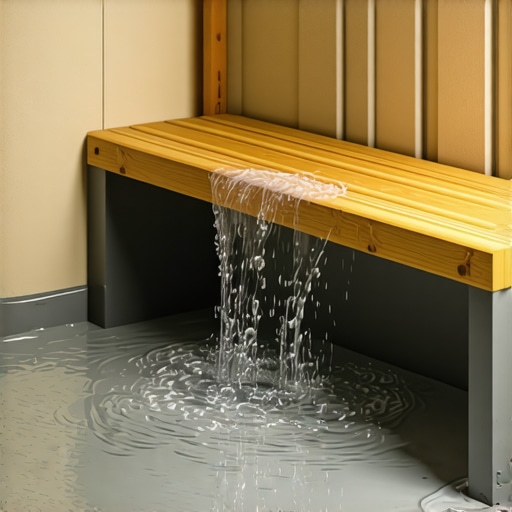
A sulfur smell in your shower usually indicates a buildup of anaerobic bacteria or hydrogen sulfide gas escaping from the drain system through a dry P-trap or a compromised vent stack. Even if you replaced the physical trap, the presence of biofilm in the weep holes or a siphoning effect caused by poor plumbing ventilation can allow sewer gases to bypass the water seal. Addressing this requires a deep look at the structural integrity of the shower pan and the moisture levels of the surrounding subfloor. Most guys skip the leveling compound. They think the underlayment will hide the dip. It won’t. I spent three days grinding concrete on a job last month just so the floor wouldn’t click like a castanet. During that same job, the homeowner complained about a rotten egg smell. We found that the subfloor was so unlevel that the shower pan had cracked, allowing grey water to pool and ferment underneath the tile. It was a chemical disaster zone. Flooring is not about what you see on top. It is about the physics of what lies beneath. If you ignore the subfloor, the subfloor will eventually ignore your health. When you are dealing with a sulfur smell, you are dealing with a structural or chemical failure. It could be the chemistry of the water reacting with the magnesium anode rod in your water heater, or it could be a simple case of a dry trap. But usually, it is more sinister. It is often the result of bacteria colonizing the microscopic crevices of your drain assembly. These colonies produce hydrogen sulfide gas as they digest organic matter like hair and skin cells. Changing the trap is a good first step, but it is rarely the final solution if the source of the bacteria remains untouched. In many cases, the smell is actually coming from the overflow or the space between the drain flange and the subfloor.
The physics of the P-trap and why it fails
A P-trap fails when the water seal is lost due to evaporation, siphoning, or capillary action, allowing sewer gases to enter the home. Even a brand new trap cannot stop smells if the plumbing vent is blocked, because the pressure differential will suck the water right out of the trap every time a nearby toilet is flushed. This is basic fluid dynamics. If you do not have a proper air vent, the vacuum created by moving water has to be filled. It takes that air from the easiest source, which is your shower drain. This breaks the seal. You also have to consider the role of floor leveling in the overall health of your bathroom. If the floor is not level, the shower pan may not sit correctly. This creates stress points. Over time, these stress points turn into hairline cracks. Moisture seeps through. Now you have a wet subfloor that never dries. This is the perfect breeding ground for the sulfur-producing bacteria. I have seen laminate floors in adjacent hallways buckle and swell because they were absorbing the moisture from a hidden leak in a shower pan. The smell follows the moisture. Laminate is particularly sensitive to this. It is essentially compressed sawdust and glue. When it gets wet, it expands. When it stays wet, it rots. You cannot just cover this up with a new carpet install. Carpet will just trap the spores and the odor, acting like a giant filter for the rot. You have to fix the moisture at the source.
“A floor is only as good as the subfloor beneath it; deflection is the enemy of every joint.” – Master Flooring Axiom
The role of biofilm and anaerobic bacteria in drains
Biofilm is a thick layer of bacteria and organic matter that clings to the internal surfaces of pipes and drains, producing sulfurous gases. This sludge is resistant to standard cleaning and can persist even after a trap replacement because it resides in the vertical pipes and the drain flange itself. You have to understand the chemistry of these organisms. They thrive in low-oxygen environments. When water sits in a trap or in a dip in an unlevel subfloor, the oxygen is depleted. The bacteria then take over. They produce hydrogen sulfide, which has that distinct rotten egg odor. This gas is heavier than air. It hangs low to the ground. This is why you smell it most when you first walk into the bathroom. If you have recently done a carpet install nearby, you might notice the smell is even worse. The fibers of the carpet can absorb these gases. It is a common mistake to assume the smell is coming from the carpet itself. In reality, the carpet is just a secondary reservoir for the odors. You need to treat the drain with an enzymatic cleaner that actually digests the organic matter. Bleach won’t do it. Bleach just kills the surface layer. The biofilm is protected by a slime layer that resists chemical attacks. You need something that breaks down the proteins and fats. This is the only way to clear the colony. Once the colony is gone, the smell goes with it. But you must also ensure the subfloor is dry. If there is moisture under the tile, the bacteria will just come back.
Why floor leveling determines the success of your drain
Proper floor leveling ensures that water moves toward the drain and that the shower pan remains structurally sound without flexing. A subfloor that is out of level by even a fraction of an inch can cause the pan to shift, breaking the seal between the drain and the plumbing. This is where most installers fail. They get lazy with the level. They think the thin-set will fill the gaps. It doesn’t work that way. Thin-set is an adhesive, not a filler. If you have a void under your shower pan, that pan will flex every time you step in it. That flex is what breaks the plumbing connections. Once that connection is broken, sewer gas escapes. This is why I am a stickler for the TCNA standards. They exist for a reason. They tell us that the subfloor must be flat within 1/8 inch over 10 feet. If it isn’t, you are asking for trouble. I have spent countless hours with a grinder and a vacuum, making sure a concrete slab is perfectly flat. It is dirty work. It is loud. But it is the only way to ensure the floor lasts. If you skip this, your laminate in the next room will eventually fail. You will see the edges of the planks start to peak. This is often the first sign of a moisture problem in the bathroom. The water travels under the baseboards and into the neighboring rooms. It is a slow-motion disaster.
| Subfloor Type | Max Moisture Content | Leveling Requirement | Recommended Underlayment |
|---|---|---|---|
| Concrete Slab | 3 percent | 1/8 inch over 10 ft | Vapor Barrier 6-mil |
| Plywood Subfloor | 12 percent | 3/16 inch over 10 ft | Cement Backer Board |
| OSB Subfloor | 10 percent | 1/8 inch over 10 ft | Modified Thin-set |
How moisture wicking affects carpet and laminate
Moisture wicking is the process where porous materials like carpet padding and laminate cores draw water away from a leak, spreading rot and odors. This capillary action can move moisture several feet away from the original source of the shower leak, making it difficult to diagnose the sulfur smell. If you have a carpet install that smells like a wet dog or rotten eggs, look at the transition strip between the bathroom and the bedroom. Often, you will find that the tack strip is black with mold. This is a clear indicator of a moisture problem. The sulfur gas from the drain gets trapped in the pad. Once it is in the pad, you can’t get it out. You have to tear it up. The same goes for laminate. Laminate is not waterproof. It might be water-resistant on the surface, but the tongue and groove joints are vulnerable. When the sulfur-laden moisture gets into those joints, the floor is ruined. It will start to smell like a swamp. This is why I always recommend a high-quality vapor barrier and proper floor leveling before any installation. You have to create a system that manages moisture. You can’t just hope it stays in the shower pan. Water always finds a way out. It follows gravity and the path of least resistance. If your subfloor is unlevel, that path might lead directly into your bedroom closet.
“Waterproof flooring is a marketing term; structural waterproofing is an engineering discipline.” – Master Flooring Axiom
The checklist for eliminating sulfur odors
To eliminate sulfur odors, you must systematically check the plumbing vents, the biofilm levels in the drain, and the moisture integrity of the subfloor. Most people just pour some drain cleaner down the hole and hope for the best. That is a temporary fix. You need a permanent solution. This involves looking at the entire system as a whole. You have to be a detective. You have to look for the clues that others miss. Here is the process I use on every job site where we encounter this issue.
- Inspect the plumbing vent on the roof for bird nests or debris.
- Check the P-trap water level after flushing nearby toilets to look for siphoning.
- Use an enzymatic cleaner to digest biofilm inside the drain assembly.
- Test the subfloor near the shower with a pinless moisture meter.
- Examine the grout lines for cracks that might indicate subfloor movement or flexing.
- Verify that the floor leveling was done correctly before the shower was installed.
- Check the water heater anode rod if the smell is present in both hot and cold water.
The chemical reaction of sulfur and water heaters
If the sulfur smell is coming from the water itself rather than just the drain, it is often a chemical reaction between sulfate-reducing bacteria and the magnesium anode rod in the water heater. This reaction creates hydrogen sulfide gas within the tank, which is then delivered to your shower head. This is a different problem than a dirty drain, but the result is the same. The smell will permeate the room. If you have carpet or laminate nearby, they will absorb this airborne odor. Replacing the magnesium rod with an aluminum-zinc alloy rod usually solves this. But you still have to deal with the bacteria that have already colonized the pipes. You might need to flush the system with a high concentration of chlorine. This is a delicate process. You don’t want to damage the seals in your fixtures. It is all about balance. You have to kill the bacteria without killing the plumbing. This is why I always tell people to hire a pro. Plumbing and flooring are more connected than most people realize. A leak in one leads to a failure in the other. It is a chain reaction. If you don’t understand the chemistry, you are just guessing. And guessing is expensive in this business.
The final word on structural integrity and smells
A bathroom is a high-stress environment for any building material. It is a place of high humidity, shifting temperatures, and constant water exposure. If you treat it like any other room, you are going to have failures. The sulfur smell is just a warning sign. It is the house telling you that something is wrong with the engineering. Whether it is a failed floor leveling job that caused a crack or a plumbing vent that is gasping for air, you have to listen. Don’t just throw a new rug over it. Don’t think a new carpet install will hide the dampness. It won’t. The rot will just continue underneath. You have to be willing to get dirty. You have to be willing to grind the concrete and level the subfloor. You have to ensure that every transition is tight and every seal is perfect. That is how you build a floor that lasts. That is how you stop the smells. It takes time. It takes effort. But in the end, it is the only way to do it right. Anything else is just a temporary patch on a permanent problem. Stop looking at the tile and start looking at the structure. That is where the truth is. The smell is just the messenger. Listen to it. Fix the subfloor. Fix the vents. Clear the biofilm. Only then will you have a bathroom that is truly clean and truly healthy. It is a simple philosophy but one that is ignored far too often in the modern world of quick fixes and cheap materials.