The ‘Sniff Test’ for Identifying Low-Quality Carpet Underlayment
The acrid smell of a failed flooring investment
I walk into my shop every morning at 6 AM, and the first thing I do is inhale. If I smell the familiar scent of floor wax and seasoned oak, it is a good day. If I smell that acrid, sweet, chemical rot coming from a roll of discount padding, I know some homeowner is about to make a massive mistake. Most guys skip the leveling compound. They think the underlayment will hide the dip. It will not. I spent three days grinding concrete on a job last month just so the floor would not click like a castanet because the professional before me thought a thick pad would fix a half inch slope. It never does. A floor is only as good as the subfloor beneath it, and deflection is the enemy of every joint. This is the structural reality that big box retailers do not want you to understand. They want to sell you on the fluff, the aesthetic, and the soft feel under your toes. They do not want to talk about the molecular breakdown of cheap polymers or the way low quality padding traps moisture against your subfloor until the whole system rots from the inside out. If your carpet install smells like a tire fire or a vinegar factory, you are looking at a product that will fail within three years.
The chemical signature of substandard materials
The sniff test for carpet underlayment involves detecting volatile organic compounds and unreacted monomers that signal a breakdown in the manufacturing process of recycled foams. High quality padding should have a neutral or slightly rubbery scent, while low quality pads emit a sharp, acidic, or overly sweet chemical odor. This odor is not just a nuisance. It is a warning sign of off gassing. When manufacturers use low grade adhesives to bond recycled foam scraps together into what we call rebond padding, they often use cheap resins that contain urea formaldehyde. Over time, as you walk on the floor, you are crushing those cells. Each step releases a tiny puff of chemical vapor into your home. If you are standing in a showroom and the roll of padding smells like a chemical spill, it is because those bonds are already unstable. The structural integrity of the pad is tied to its chemistry. A pad that off gasses heavily is often a pad that will flatten out in high traffic areas within twenty four months. This leaves your expensive carpet at the mercy of the subfloor, leading to premature wear and fiber loss. You need to look for the Carpet and Rug Institute Green Label Plus certification, but your nose is the first line of defense.
“A floor is only as good as the subfloor beneath it; deflection is the enemy of every joint.” – Master Flooring Axiom
Why your subfloor is lying to you
Floor leveling is a non negotiable requirement for any successful carpet install or laminate project because even the most expensive underlayment cannot bridge a structural gap larger than three sixteenths of an inch. Subfloors often appear flat to the naked eye but contain subtle dips and heaves. I have seen installers try to compensate for a wavy concrete slab by doubling up on cheap foam padding. This is a recipe for disaster. When you create a soft spot in the floor, the carpet backing undergoes extreme localized stretching. This leads to those ugly ripples you see in old living rooms. It is not the carpet that failed. It is the installer who refused to use a straight edge and a bag of self leveling underlayment. In my shop, we do not even talk about the finish until we have confirmed the substrate is within the TCNA standards for flatness. If you are installing over a crawlspace, that underlayment is also your moisture barrier. Low quality pads are often open cell, meaning they act like a sponge. If you have moisture migrating through your slab, an open cell pad will hold that water against the bottom of your carpet. This creates a breeding ground for mold that no steam cleaner can reach. You want a closed cell structure or a high density SBR rubber that blocks moisture rather than inviting it in for tea.
The physics of rebound and cellular collapse
Density and thickness are two different metrics that homeowners frequently confuse when selecting materials for their flooring project. High density underlayment provides the necessary resistance to prevent carpet fibers from crushing, whereas thick but low density padding provides a mushy feel that destroys carpet backing. Think about the physics of a footfall. A human heel exerts significant pressure per square inch. A low density foam pad, usually characterized by a large cell structure, will bottom out under this pressure. When the pad bottoms out, the energy of the step is transferred directly to the carpet pile and the subfloor. This causes the pile to flatten and eventually break. A high density pad, measured in pounds per cubic foot, absorbs this energy and distributes it horizontally. We are talking about the difference between a 6 pound rebond and a 10 pound frothed foam. [IMAGE_PLACEHOLDER] The 10 pound foam uses much smaller, tightly packed cells that resist compression. This is even more vital for laminate flooring. If the underlayment under your laminate is too soft, the tongue and groove joints will flex every time you walk on them. Eventually, those joints will snap. Once the locking mechanism is gone, the floor is ruined. There is no fixing it. You are ripping it all out and starting over because you wanted to save two dollars a yard on the padding.
| Pad Type | Density (lb/ft³) | Material Composition | Typical Lifespan |
|---|---|---|---|
| Prime Foam | 2 to 3 | Polyurethane Foam | 3 to 5 Years |
| Bonded Foam | 6 to 10 | Recycled Scrap | 8 to 12 Years |
| SBR Rubber | 18 to 22 | Synthetic Rubber | 20+ Years |
| Fiber and Felt | 30 plus | Synthetic Fibers | 15 to 20 Years |
The ghost in the expansion gap
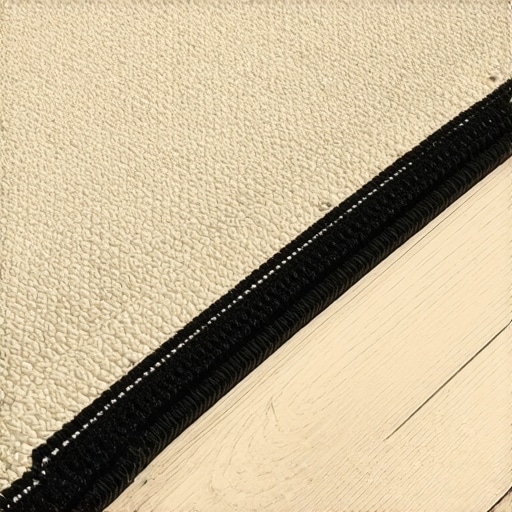
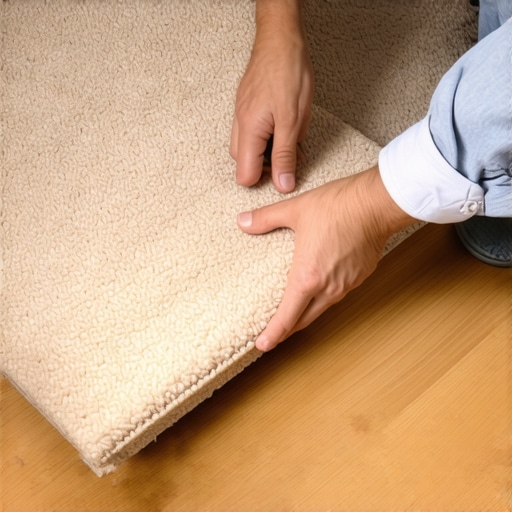
The perimeter of your room is where the most common installation errors occur particularly regarding the interaction between the tack strip and the underlayment thickness. Underlayment should be trimmed back from the tack strip to ensure the carpet can be properly tucked into the gully. If your installer runs the padding right up to the wall, the carpet will have a rounded, pillowed look at the baseboards. It looks amateur. More importantly, it means the carpet is not properly tensioned. Without proper tension, the carpet will move. Movement causes friction. Friction causes the underlayment to wear down into a fine dust. I have pulled up twenty year old carpets where the padding was literally gone, reduced to a gray powder by decades of micro movements. This is why we use a power stretcher, not a knee kicker. A knee kicker is for tight corners and stairs. A power stretcher is for ensuring the floor stays put for twenty years. If you are in a high humidity area like Houston or Florida, this tension is even more critical. Humidity causes fibers to expand. If the floor is not tight, the expansion will manifest as waves that you will trip over every time you walk to the kitchen. [IMAGE_PLACEHOLDER]
A checklist for the discerning homeowner
- Verify the density rating is at least 8 pounds for high traffic residential areas.
- Perform the compression test by squeezing the sample as hard as possible with your thumb.
- Smell the sample for any sharp vinegar or chemical odors indicating low quality resins.
- Check for a moisture barrier film on the top surface to protect against spills.
- Ensure the thickness does not exceed seven sixteenths of an inch for cut pile carpets.
- Confirm the product is rated for the specific type of carpet or laminate you are installing.
The 1/8 inch that ruins everything
Precision in subfloor preparation determines the longevity of the entire flooring system regardless of whether you are installing luxury vinyl plank or high end wool carpet. A dip of just one eighth of an inch over a ten foot span can cause audible clicking and structural failure. I have seen guys try to use showers of shims under laminate to fix a bad subfloor. It never works. The only way to fix a subfloor is with a grinder or a leveler. If you are working with a concrete slab, you must test for moisture. A simple plastic sheet test or a calcium chloride test will tell you if that slab is breathing too much water. If it is, you need a specialized moisture mitigation underlayment. Do not trust the guy at the big box store who tells you that the plastic backing on the carpet is enough. It is not. Moisture will find a way. It will wick up through the tack strips. It will rot the wood. It will make your house smell like a damp basement. You need to invest in the prep work. Grinding concrete is a dusty, miserable job. It requires heavy equipment and a lot of patience. But it is the difference between a floor that lasts a lifetime and a floor that you hate within six months. I tell my customers that if they do not have the budget for the prep, they do not have the budget for the floor. It is that simple.
“Modern underlayment is an engineering component, not a comfort feature; treat it with the same respect as the joists themselves.” – Tile Council of North America Standard Reference
The final word on quality
Do not let a slick salesperson talk you into a thick, soft pad that smells like a chemical factory. Trust your senses. If it feels too light, it is. If it smells like a mistake, it is. I have spent my life working on my knees, and I have seen every shortcut in the book. The best floors are the ones where the homeowner invested in the things they can not see. They invested in the floor leveling. They invested in the high density SBR rubber. They invested in a professional who knows how to use a power stretcher. When you walk across a floor like that, you can feel the difference. It is solid. It is quiet. It is permanent. That is the kind of floor I stand behind. Anything else is just a temporary covering that will end up in a landfill long before its time. Keep your eyes open and your nose sharp. The quality of your home depends on the foundation you choose to put under your feet.