The Moisture Test Trick for Poured Concrete Before Polyaspartic Garage Floor Coating
The Moisture Test Trick for Poured Concrete Before Polyaspartic Garage Floor Coating
Investing in a high-quality garage floor transformation is one of the most rewarding home improvement projects a homeowner in Central Indiana can undertake. However, a stunning $3,000 to $5,000 floor coating can turn into a peeling, bubbling nightmare in just a few short weeks if one critical step is overlooked: moisture testing. At Garage Force of Indianapolis, we’ve seen countless DIY and “budget” professional jobs fail because the installer rushed the process without understanding the science of the slab.
Concrete may look solid and dry on the surface, but it is a porous material that acts much like a hard sponge. It constantly pulls moisture from the soil beneath it and breathes it out into your garage. If you seal that moisture in with a high-performance coating before the concrete is ready, the results are catastrophic. According to industry standards from All Source Supply, new concrete must cure for a minimum of 28 days before any coating is applied. But even old concrete can harbor hidden dampness that fluctuates with the seasons. This guide will reveal the “Moisture Test Trick” and why it is the single most important factor in the longevity of your floor.
Why Moisture is the Silent Killer of Garage Floor Coating in Indianapolis
In the Indianapolis area, our climate presents unique challenges for concrete longevity. With humid summers, snowy winters, and clay-heavy soil that retains water, the hydrostatic pressure beneath your garage floor is often higher than in other regions. Hydrostatic pressure occurs when groundwater pushes against the bottom of your concrete slab. Because concrete is porous, this water travels upward through capillary action.
When you apply a garage floor coating indianapolis residents expect to last, you are essentially creating an airtight, waterproof seal. If there is excessive moisture rising through the slab, it hits that airtight polyaspartic or epoxy barrier and has nowhere to go. This leads to osmotic blistering – small bubbles that form under the coating – and eventually, delamination, where the entire floor peels away from the concrete. Without a proper bond, even the strongest polyaspartic material in the world will fail. This is why understanding the moisture levels in your local soil, from the Northside down to Greenwood, is essential before starting any project.
The “Plastic Sheet” Trick: A DIY Moisture Test Anyone Can Do
Before you even call a professional, you can perform a simple diagnostic known as the “Plastic Sheet Test” (standardized as ASTM D4263). This is a low-cost way to get a baseline reading of your slab’s moisture output. While it doesn’t provide a numerical value, it is incredibly effective at spotting major red flags.
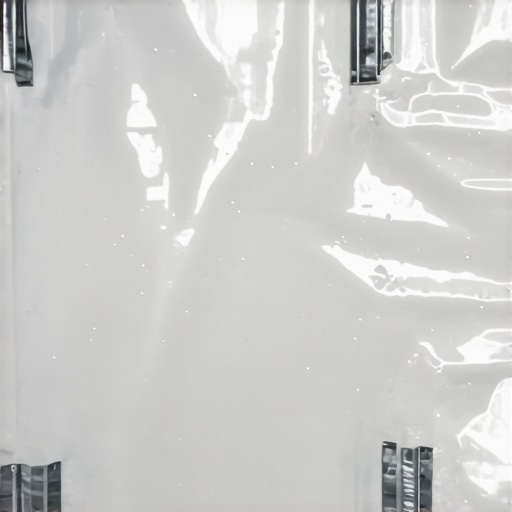
To perform the test, take a 2’x2′ square of heavy-duty clear plastic. Find a few areas of your garage floor – ideally near the center and one near an outer wall. Use high-quality duct tape to seal all four edges of the plastic square to the concrete, ensuring it is completely airtight. Leave the plastic in place for at least 24 to 48 hours.
When you peel the plastic back, look for two things:
- Condensation: If you see water droplets on the underside of the plastic, your slab is “sweating” and is not ready for a coating.
- Darkening: If the concrete under the plastic looks significantly darker than the surrounding floor, it indicates high moisture vapor emission.
If your floor fails this simple test, you’ll need to address the moisture source or use a specialized moisture-mitigating primer. Much like the ‘spray bottle’ secret for testing your subfloor porosity, this trick helps you understand how the concrete will interact with liquids before you commit to a permanent installation.
Professional Moisture Testing: Beyond the Plastic Sheet
While the plastic sheet trick is a great starting point, professional installers use precision instruments to ensure a “no-fail” installation. At Garage Force of Indianapolis, we utilize electronic impedance meters, such as Tramex meters, which provide an instantaneous reading of the moisture content within the top inch of the slab. For a more comprehensive look, we may also suggest a Calcium Chloride test or In-Situ Relative Humidity (RH) probes.
The industry “gold standard” for a polyaspartic floor coating indianapolis is to ensure the moisture content is below 4%. According to LNS Concrete Coatings, any reading above 4% drastically increases the risk of bond failure. Many “one-day” installers skip these professional tests to save time and move on to the next job. However, skipping this step often voids the manufacturer’s warranty, leaving the homeowner with no recourse when the floor begins to flake. You can learn more about the technical side of these tools in our breakdown of the ‘moisture meter’ trick for testing concrete before polyurea floor coating.
Polyaspartic vs. Epoxy: Which Handles Moisture Better?
When searching for an epoxy garage floor indianapolis, many homeowners are surprised to learn that polyaspartic is often a superior choice for durability, but it requires even stricter moisture control during the application phase. Polyaspartic coatings are prized for their incredible cure speed. Under normal conditions (70-80°F and less than 50% humidity), Galaxy Concrete Coatings notes that you can walk on a polyaspartic floor in just 4 to 6 hours.
However, because polyaspartic cures so quickly, it has less time to “sink” into a damp slab compared to traditional epoxy. If moisture is present, the polyaspartic will cure on top of the water vapor, leading to immediate delamination. On the other hand, specialized moisture-mitigating epoxies can be used as a primer for slabs with high RH levels. These primers are designed to penetrate deep into the pores and hold back the hydrostatic pressure, providing a stable base for the polyaspartic topcoats. This is why many high-end professionals, including GarageFloorCoating.com, often recommend a 2-day process for floors with known moisture issues rather than the risky 1-day “splash and dash” methods.
Ensuring the floor is level is also a prerequisite for a successful bond; just as your garage door installation will fail without a level concrete floor, your coating will pool in low spots and thin out over high spots if the slab isn’t properly prepped.
Preparing Your Slab for a Concrete Patio Coating in Indianapolis
The moisture test trick isn’t just for garages. If you are considering a concrete patio coating indianapolis, moisture management becomes even more complex. Outdoor slabs are exposed to the elements on all sides. Rainwater can seep under the edges of the patio, and the lack of a vapor barrier (which is common in outdoor pours) means moisture is constantly moving through the concrete.
For patios and pool decks, we often look for “high spots” or drainage issues that could lead to standing water. Using techniques like the ‘sanding hack’ for fixing high spots in concrete floor leveler can help ensure that water sheds off the surface properly. If a patio slab has high moisture content, we may opt for a breathable sealer or a specific exterior-grade polyaspartic that allows for a higher degree of vapor transmission compared to indoor-only products.
Commercial Standards: Commercial Epoxy Flooring in Indianapolis
For business owners, a floor failure isn’t just an eyesore – it’s a liability and a financial drain. When we install commercial epoxy flooring indianapolis, the stakes are incredibly high. Retail spaces, warehouses, and automotive shops cannot afford the downtime required to strip and re-apply a failed floor.
Commercial slabs are often thicker and may have been poured over old, contaminated subfloors. In these environments, we perform rigorous moisture testing across multiple points of the floor. We also look for contaminants like oil or chemicals that may have leached into the concrete over decades. If moisture levels are high, commercial-grade moisture vapor barriers are mandatory. These barriers can withstand up to 20 lbs of moisture vapor emission, ensuring that the decorative flake or quartz finish remains bonded even in the harshest industrial conditions.
Local Spotlight: Garage Floor Coating in Carmel, Fishers, and Greenwood
Geography matters when it comes to concrete. If you are looking for garage floor coating carmel in or garage floor coating fishers in, you are likely dealing with newer construction. While new concrete is exciting, it often means the slab hasn’t had years to “settle” and dry out. We frequently find that homes in these areas have high water tables due to the proximity to local reservoirs and creek beds.
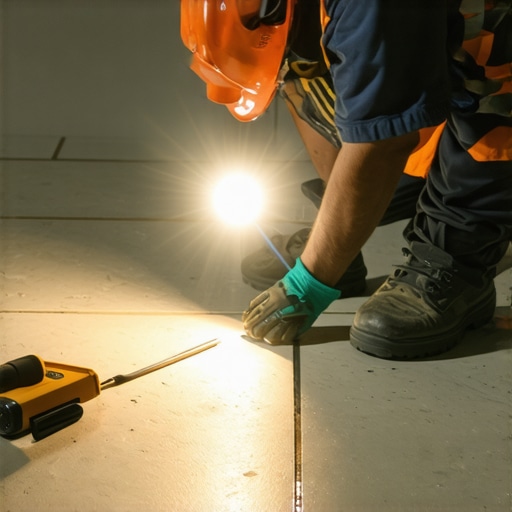
Conversely, for polyaspartic garage floor greenwood in residents, many homes feature older slabs that may have developed cracks or “heaving” due to the freeze-thaw cycles. In these cases, we use the ‘flashlight check’ for finding high spots in new subfloors (or old ones) to identify where the concrete has shifted. No matter where you are in the Greater Indianapolis area, the “Moisture Test Trick” remains the universal first step to a successful install.
Conclusion: Don’t Skip the Science
The difference between a floor that lasts 20 years and one that lasts 20 days is often found in the 24 hours before the first drop of coating is applied. Testing for moisture is not a “suggested” step; it is a scientific necessity. Whether you use the DIY plastic sheet trick or hire Garage Force of Indianapolis to perform a professional Tramex meter reading, knowing the moisture content of your slab is the only way to guarantee a permanent bond.
Don’t be fooled by contractors who promise a finished floor in a few hours without ever checking the health of your concrete. Those “one-day” systems are often the first to fail when the Indiana humidity rises. At Garage Force, we prioritize the preparation and the science of the bond above all else.
Ready for a floor that stands the test of time? Contact Garage Force of Indianapolis today for a professional moisture assessment and a free quote on our industry-leading polyaspartic coatings. Let’s build a floor that looks as good as it performs.