The Hidden Reason Your Shower Niche Is Sprouting Mildew
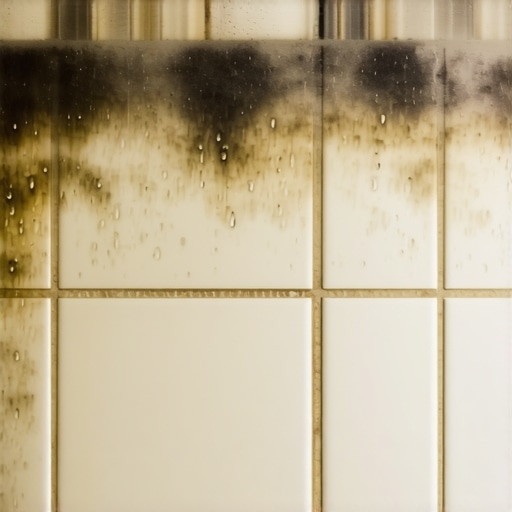
I smell oak dust and WD-40 every morning when I crack my tool chest. It is the scent of twenty five years spent fixing what other people broke. Last Tuesday I was called to a job that made my stomach turn. The homeowner had a gorgeous marble shower that cost more than my first truck. On the surface it looked like a magazine cover. But the smell gave it away. It smelled like a swamp. I touched the bottom of the shower niche and it felt like slime. I did not even need my moisture meter to tell me the wall was rotting. Most installers think a shower is just a floor with walls. They treat it like a dry carpet install where you just tack it down and walk away. That is a lie that leads to mold. A shower is a pressurized water environment that relies on physics and chemistry to stay dry. If you ignore the slope or the seal, the house will pay for it. I have seen fifteen thousand dollar wide plank walnut floors cup because a shower leaked three rooms away. Water does not stay where you put it. It moves. It wicks. It destroys. Most guys skip the floor leveling compound in the bathroom because they think the tile will hide the dip. It will not. A dip in the subfloor leads to a dip in the pan and that is where the disaster begins. We are going to look at the microscopic reality of why your niche is a mold factory.
The physics of the standing water shelf
The primary reason shower niches sprout mildew is a lack of positive pitch on the bottom shelf combined with pinhole failures in the waterproofing membrane. When water sits on a horizontal surface it undergoes capillary action, pulling moisture behind the tile into the wall cavity where it cannot evaporate. Gravity is your only friend in a shower. If that bottom shelf is perfectly level, it is actually a trap. You need a minimum of a one quarter inch per foot slope. Without it, surface tension keeps a thin film of water on the tile. That water sits. It breeds bacteria. It penetrates the grout. Most grout is cementitious and porous, meaning it acts like a sponge. Once that water gets behind the tile and hits a flat shelf, it has nowhere to go. It sits against the thin-set. It creates a dark, damp, oxygen-poor environment. That is the perfect nursery for mold spores. In a carpet install, you worry about the pad. In a shower, you worry about the molecular migration of H2O. If your installer used a level to set that shelf, he failed you. He should have used a pitch. This is basic fluid dynamics that most contractors ignore because they want things to look square to the naked eye. Square is the enemy of drainage.
“A floor is only as good as the subfloor beneath it; deflection is the enemy of every joint.” – Master Flooring Axiom
The chemistry of porous grout and capillary wicking
Cement based grout is a microscopic network of tunnels that allows water to migrate through the surface via capillary action. This process occurs regardless of how expensive your tile is because the mortar and grout remain the weak points of the assembly. Think of grout as a hard sponge. Even if you use a sealer, those sealers break down. They are not permanent. When you have a niche, you have four corners where planes meet. Those corners are high stress areas. Houses move. They breathe. The wood studs behind your tile expand and contract with the seasons. This movement creates micro-cracks in the grout. You might not see them with your eyes, but water sees them. Water molecules are about 0.27 nanometers wide. They will find that crack. Once they get behind the tile, they hit the thin-set. If the installer did not use a 100 percent solids epoxy grout or a high-performance modified thin-set with a collapsed ridge technique, there are air pockets behind the tile. These air pockets become reservoirs for stagnant water. This is why floor leveling is so vital before the shower ever starts. If the substrate is not flat, the tile cannot be set with a consistent mortar bed. You end up with voids. Those voids are where the mold lives. It is not just about the niche being wet. It is about the niche being unable to dry. This is why I tell people that laminate flooring is easier, because at least with laminate you can see the damage immediately. With a shower niche, the rot happens in the dark for three years before you ever see a black spot on the grout.
| Niche Feature | Pre-fabricated Niche | Site-Built Niche | Risk Level |
|---|---|---|---|
| Pitch Control | Built-in 1/4 inch slope | Manual framing dependent | Low vs High |
| Waterproofing | Factory sealed foam | Multi-piece membrane | Low vs High |
| Installation Time | 30 minutes | 4 hours | Efficiency |
| Material Bond | Proprietary fleece | Thin-set on cement board | Durability |
The anatomy of a failed waterproofing membrane
A waterproofing membrane is only effective if it is a continuous, unbroken barrier that is properly integrated with the niche flange. Many installers use liquid-applied membranes and get lazy in the corners of the niche, leaving thin spots where the material stretched too far. I see it all the time. They brush it on like paint. It is not paint. It is a structural barrier. You need a specific mil thickness to stop water. If the membrane is too thin, the hydrostatic pressure of the water sitting on that flat shelf will eventually push through. This is called permeance. Every material has a perm rating. A good membrane should have a perm rating of less than 0.5. Most big box store materials are barely better than a plastic bag. If the installer did not use a pre-fabricated niche, they had to cut and fold a sheet membrane into that tiny box. Every cut is a potential leak. Every fold is a place where the thin-set might not bond perfectly. I have spent days grinding concrete on jobs just to make sure the floor leveling was perfect so the shower walls would be plumb. If the walls are not plumb, the niche is not plumb. If the niche is not plumb, the waterproofing is compromised from day one. People want the cheap way out. They want the discount tile guy. But the discount guy does not know about the chemistry of modified thin-set versus unmodified thin-set. He does not know that unmodified thin-set is required over some membranes to allow for proper hydration and bonding. He just uses what is on the truck. That is how you end up with a wall that sprouts mushrooms.
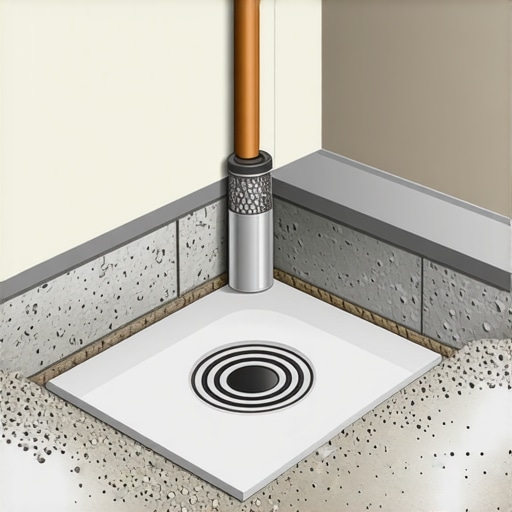
- Verify the shelf has a 1/8 to 1/4 inch positive pitch toward the drain.
- Use an epoxy grout for all niche surfaces to eliminate porosity.
- Ensure the waterproofing membrane extends at least 6 inches beyond the niche opening.
- Check for 100 percent thin-set coverage behind every niche tile.
- Avoid using organic mastics which serve as a food source for mold.
The ghost in the expansion gap
Movement joints are the most overlooked part of shower construction and their absence leads to the cracking that allows mold to enter. In a large floor leveling project or a carpet install, we talk about expansion gaps at the perimeter to prevent buckling. In a shower, you need these gaps at every change of plane. This means the corners of your niche should not be filled with hard grout. They should be filled with 100 percent silicone sealant. Grout is rigid. Silicone is flexible. When the house shifts, the silicone stretches. If you have grout in those corners, it will crack. Once it cracks, the water is in. I call it the ghost in the gap because you cannot see the water moving through those cracks, but you can see the result. The mildew starts at the bottom corners of the niche and works its way up. It is not enough to just clean the mildew. You have to stop the water from getting in. Most people want the thickest underlayment in their living room for comfort, but in a shower, you want the most stable, rigid substrate possible. Any flex is a failure. I have seen guys try to build niches out of scrap plywood. Wood rot is a given. You must use cement-based backer boards or high-density foam boards. Even then, you must treat the seams. The chemistry of the bond between the tape and the mortar is what keeps your wall from collapsing. It is a technical job. It is not for the weekend warrior who watched a ten minute video. If you do not understand the TCNA handbook, you should not be building a shower.
“Waterproof membranes must be sloped to the drain; water that reaches the membrane must have a path to exit.” – TCNA Handbook Principle
The 1/8 inch that ruins everything
A single 1/8 inch dip in the subfloor or a lack of pitch in the niche can result in gallons of water being trapped inside a wall cavity over a year. This is the information gain most people miss. They think a little water is fine because it is a shower. But a shower must dry out. If the niche is constantly wet, the relative humidity in that small box stays at 100 percent. Mold only needs moisture, oxygen, and a food source. The soap scum and skin cells you wash off every morning provide the food. The air provides the oxygen. The flat niche shelf provides the moisture. You have built a laboratory for fungus. In Houston or Florida, the humidity makes this even worse. The air is already saturated, so evaporation happens slower. You need even more pitch in those climates. I have seen laminate floors in Phoenix shrink until they show a gap because the air is so dry, but a shower in that same house will still rot if it is not pitched. The micro-climate of the bathroom is its own beast. You have to respect the physics of the site. If I am doing a floor leveling job for a shower pan, I am using a laser level. Not a bubble level. A laser. I want to know exactly where that water is going to go. If your installer does not own a laser, send him home. He is guessing with your house. He is guessing with your health. That mildew is not just an eyesore. It is a sign of a structural failure. It is a sign that the master flooring architect was not on the job. Don’t settle for builders grade. Don’t settle for a flat shelf. Demand the pitch. Demand the seal. Keep your sawdust dry and your niches sloped.