
Why Your Shower Floor Stays Wet Hours After Your Last Shower
The subfloor secret that ruins shower drainage
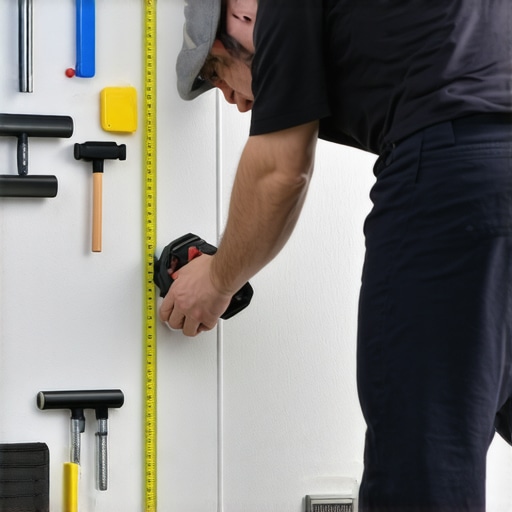
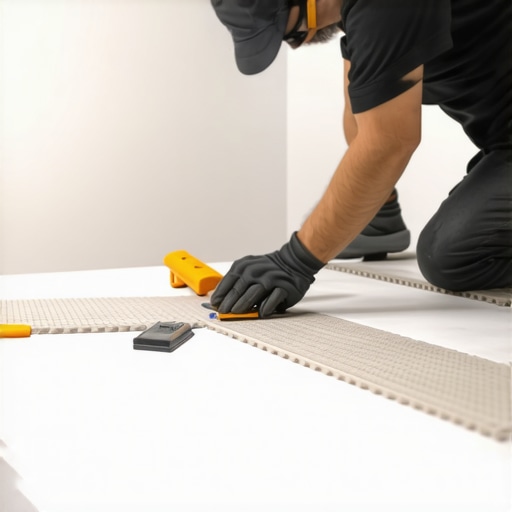
Most guys skip the leveling compound because they think the underlayment or the mud bed will hide the dip. It will not. I spent three days grinding concrete on a job last month just so the floor wouldn’t click like a castanet and the water would actually find the drain. When a shower floor stays wet, it is rarely a surface problem. It is a structural failure of the slope beneath the tile. I have seen fifteen thousand dollar bathrooms rot from the inside out because the installer did not understand the physics of the pre slope. If you are standing in a puddle two hours after you dried off, you are looking at a mechanical failure of the drainage system. Look, I have spent three decades in the mud. If your shower is wet four hours later, your contractor lied to you about waterproof grout. Tile and grout are not waterproof. They are water resistant. The real waterproofing happens three layers deep, and if that layer is flat, your floor is a swamp. [IMAGE_PLACEHOLDER]
The hidden geometry of a failed pre slope
A shower floor stays wet because of gravity failure caused by a flat liner. When the primary waterproofing membrane or PVC liner is installed directly onto a level subfloor without a pre slope, water collects in the mortar bed and cannot reach the weep holes in the drain. This creates a stagnant reservoir of moisture. In the trade, we call this a bird bath. You might see a perfectly sloped tile surface, but beneath that tile, the water is sitting on a flat piece of plastic. It has nowhere to go. It just sits there, saturating the sand mix, waiting to be wicked back up through the grout lines by capillary action. This is why you see dark spots in the grout that never seem to lighten up. It is not just a surface dampness. It is a deep, structural saturation that leads to mold, mildew, and the eventual disintegration of the thinset bond. Most builders skip the pre slope because it takes an extra day of labor. They throw the liner on the plywood, dump the mud on top, and call it a day. That is a recipe for a bathroom that smells like a wet dog for the next ten years. You need a minimum of a quarter inch of fall per linear foot. If you do not have that on the subfloor level, your shower is a bucket, not a drain.
“A floor is only as good as the subfloor beneath it; deflection is the enemy of every joint.” – Master Flooring Axiom
The physics of the weeping drain
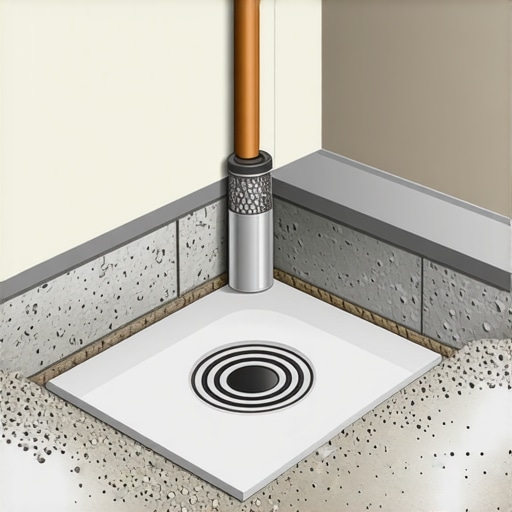
The integrated drain assembly features weep holes designed to evacuate moisture that permeates the grout and mortar. When these secondary drainage paths are blocked by excessive thinset or crushed stone, the hydrostatic pressure keeps the tile surface saturated for hours. I have pulled up drains where the installer literally buttered over the weep holes with mortar. It is total incompetence. Think of your shower like a giant filter. The tile stops the heavy flow, but some water always gets through. The drain is designed with two levels. The top level is for the water you see. The bottom level, hidden under the mud, is for the water you do not see. If those tiny holes at the base of the drain are plugged, the water backs up into the sand bed. Eventually, the sand bed becomes a sponge. It cannot hold any more water, so the moisture just sits at the surface. This is also where you get into the chemistry of the grout. If you used a cheap, porous grout without a high polymer content, it is going to suck up that water and hold it. Modern epoxy grouts are better, but even they can fail if the pressure from beneath is high enough. You are fighting a battle of surface tension and gravity. If the water cannot move down, it will stay up.
The 1/8 inch that ruins everything
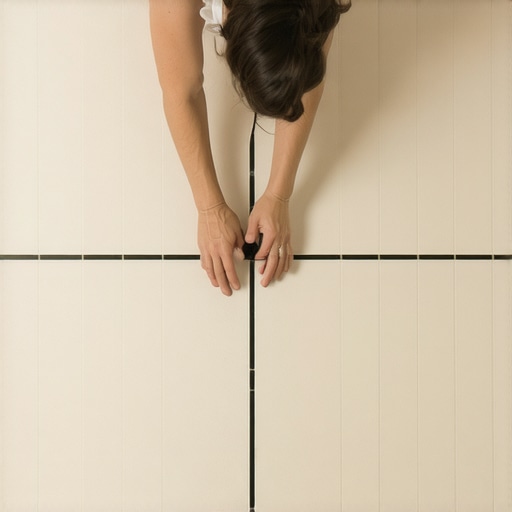
A deviation of 1/8 inch in the subfloor levelness can cause surface tension to trap standing water on top of large format tiles. While textured porcelain provides slip resistance, it also creates microscopic valleys that hold residual moisture against the atmospheric humidity. Most people want the thickest underlayment or the most expensive tile, but they forget that water is a sticky substance. On a molecular level, water molecules want to cling to each other and to the surface they are on. If your installer did not use a mechanical leveling system, you probably have small lips or dips in the tile. Even a tiny dip will hold enough water to prevent evaporation, especially in a bathroom with poor ventilation. I always tell people to check their floor with a marble. If the marble does not roll straight to the drain from every corner, the floor is wrong. It is not just about aesthetics. It is about hygiene. Standing water is a breeding ground for bacteria. While most people want the thickest underlayment, too much cushion actually causes the locking mechanisms on LVP to snap under pressure, and in a shower, too much mud without proper compaction leads to air pockets that hold water like a reef.
| Waterproofing Type | Dry Time | Porosity Level | Primary Risk Factors || — | — | — | — || Traditional Mud Bed | 24-72 hours | High | Weep hole blockage and mold || Liquid Membrane | 12 hours | Zero | Pinholes and thin application || Foam Board System | Instant | Zero | Puncture and high cost || Sheet Membrane | Instant | Zero | Improper seam bonding |
Why your grout is a sponge
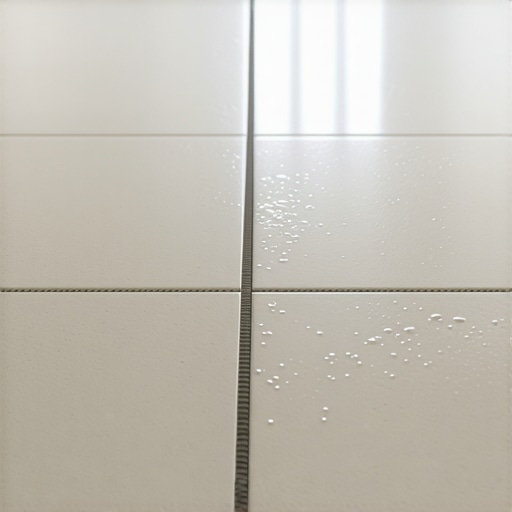
Porous grout mixtures act as a capillary matrix that wicks moisture from the saturated mortar bed back to the surface of the tile. Using high density porcelain with a low absorption rate helps, but the cementitious grout joints remain the weak point in the floor assembly. I see this all the time in the Pacific Northwest and the humid South. The air is already heavy with moisture, so the floor has no chance to air dry. If your grout was mixed with too much water during installation, it is even more porous than it should be. It becomes like a pumice stone. It just drinks water. Then, because the subfloor is cold concrete or poorly insulated plywood, the water stays cool and does not evaporate. You have to understand the vapor drive. Moisture wants to move from wet to dry and warm to cold. If your bathroom is warm and your subfloor is cold, that moisture is staying right where it is. I recommend a high quality sealer, but even a sealer is not a magic wand. If you seal a wet floor, you are just trapping the moisture inside, which will eventually turn the grout white through a process called efflorescence. That is just the minerals in the cement being carried to the surface as the water tries to escape.
“All tile installations must allow for the movement of moisture through the system to prevent the accumulation of hydrostatic pressure.” – TCNA Handbook for Ceramic, Glass, and Stone Tile Installation
- Check the drain grate for hair and soap scum buildup every week.
- Use a squeegee after every shower to break surface tension.
- Verify that the bathroom fan is rated for the square footage of the room.
- Inspect the perimeter sealant for gaps where water can enter the wall cavity.
- Run a dehumidifier if the bathroom lacks a window or high CFM fan.
The humidity trap in coastal homes
In coastal regions with high ambient humidity, the evaporation rate of surface water is significantly lower than in arid climates. This means natural stone tiles like carrara marble or travertine will hold visible moisture for six to eight hours after use. I have seen guys in Florida try to install solid wood floors in bathrooms. It is a death wish. The same logic applies to shower floors. If you live in a swamp, your shower needs to be a machine. You cannot rely on the air to dry the floor. You need a topical waterproofing system like a foam board or a sheet membrane. These systems do not use a thick mud bed that can hold gallons of water. Instead, the water hits the tile, maybe a tiny bit gets into the grout, but it hits that membrane and goes right into the drain. There is no reservoir. It is the difference between a sponge and a raincoat. If you are building new or remodeling, do not let them use the old school liner and mud method. It is outdated. It is heavy. It holds water. Go with a modern bonded membrane system. Your nose and your subfloor will thank you in five years. You do not want to be the guy calling me because his floor feels like a trampoline. By the time it feels soft, the joists are already gone. It starts with a wet floor, and it ends with a structural nightmare. Fix the drainage, or do not build the shower at all.