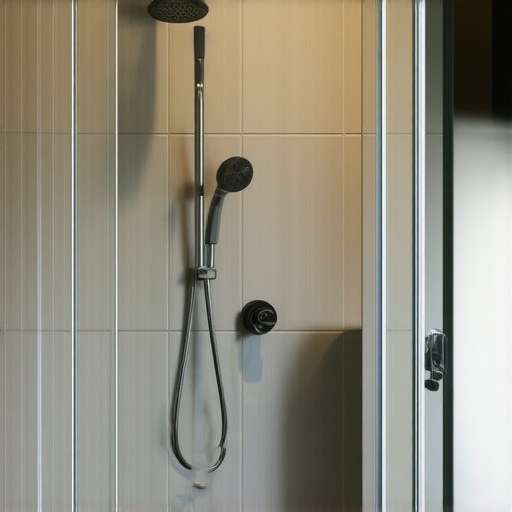
Ever had that sinking feeling when you step into your bathroom after a renovation—only to find water seeping into places it shouldn’t? I remember thinking I had everything covered during my last upgrade, only to face a nightmare of leaks and mold months later. That lightbulb moment hit me hard: waterproofing isn’t just an afterthought—it’s the foundation of a durable, stylish bathroom. If you’re planning a bathroom upgrade or just dreaming about that spa-like shower sanctuary, understanding the best waterproofing solutions can save you time, money, and stress in the long run.
Why Waterproofing Can Make or Break Your Bathroom Investment
Let’s be honest—water damage is sneaky. It can hide behind tiles, under floors, or within walls until it’s too late. When I initially overlooked the importance of proper waterproofing, I paid the price—mold, cracked tiles, and costly repairs. But I’ve since learned that a well-installed waterproof barrier is the secret to lasting beauty and functionality. Modern waterproofing techniques not only prevent leaks but also enhance the overall durability of your shower and bathroom surfaces. Want your renovation to stand the test of time? It starts with choosing the right waterproofing approach.
Is Waterproofing Actually Worth the Hype?
Absolutely. I made the mistake early on of assuming that sealing grout lines was enough. Spoiler: It isn’t. Water can penetrate through grout, cracks, and poorly sealed joints. Today, I recommend investing in professional-grade waterproof membranes and sealants. According to industry experts, waterproofing is the most crucial step in preventing water intrusion that causes structural damage. For detailed insights, check out top bathroom renovation tips for lasting style in 2024. Remember, a little extra effort upfront means fewer headaches later.
Now that we understand why waterproofing matters, let’s explore the most effective solutions to keep your bathroom dry, stylish, and long-lasting. Ready to dive into the practical steps? I’ll walk you through choosing the right materials, techniques, and expert tips that will elevate your bathroom upgrade from good to great.
Start with Precise Surface Preparation
Before applying any waterproofing solution, I learned the hard way that surface prep is everything. During my first DIY project, I skipped cleaning and drying the substrate thoroughly. The result? Poor adhesion and early leaks. Now, I always scrub the surfaces with a degreasing agent and let them dry completely. For floors, use a primer compatible with your waterproof membrane to ensure a strong bond. Think of this step as laying a solid foundation—without it, everything else can crumble.
Choose the Right Waterproofing Material for Your Space
Not all waterproofing solutions are created equal. For shower areas, I prefer flexible liquid membranes because they can easily cover corners and joints, creating a seamless barrier. For larger surfaces, a sheet membrane might be more efficient. I once used a liquid membrane in my bathroom shower, and it provided excellent crack-bridge capabilities, preventing future leaks. If you’re unsure, consult industry experts or check out top tips for lasting bathroom upgrades for guidance on selecting the best material.
Apply Waterproof Membrane with Precision
Applying membrane requires attention to detail. I used a roller for the liquid membrane, ensuring even coverage without bubbles or gaps. Pay special attention to seams, corners, and joints—these are the most vulnerable points. For extra security, I applied a second coat after the first dried, following manufacturer instructions. Think of this process like painting a wall: multiple thin coats create a more durable finish. This step significantly reduces the risk of future leaks and water damage.
Seal Joints and Transitions Effectively
Joints between tiles, around drain fixtures, and where walls meet floors are critical spots. During my renovation, I used a high-quality, flexible sealant for these areas. I made sure to caulk these joints thoroughly, pressing the sealant into all gaps. A good analogy is sealing a zipper: if not sealed well, water can slip through. For extra reinforcement, I used waterproof tape over vulnerable joints before sealing. Proper sealing prevents water intrusion that can cause mold and structural issues later.
Test Your Waterproofing Before Finishing
Once everything dried, I performed a water test by pouring a few gallons of water over the area and observing for leaks after 24 hours. This step is crucial—think of it as a dress rehearsal. If any water seeped through, I reapplied the membrane or resealed the joints. Testing saves you from costly repairs down the line and confirms that your waterproofing is solid. For detailed testing techniques, check out top renovation tips for lasting style in 2024.
Many homeowners believe that a simple sealant application or sealing grout lines is enough to prevent water damage in bathrooms. However, this is a common myth that can lead to costly mistakes. In reality, waterproofing requires a comprehensive approach that includes high-quality membranes, proper surface preparation, and meticulous sealing of all vulnerable points. Relying solely on surface-level solutions overlooks the complexities of water intrusion, especially in areas prone to constant moisture exposure.
One of the most overlooked nuances is the importance of understanding the water pressure and flow dynamics within your bathroom. Many assume that waterproofing just involves creating a barrier, but advanced techniques involve designing membranes that can accommodate movement and expansion without cracking. For example, flexible liquid membranes are often misunderstood as being less durable, but when properly applied, they offer superior crack-bridging capabilities compared to rigid sheet membranes. This understanding can significantly extend the lifespan of your waterproofing system.
What are the risks of using inadequate waterproofing methods in complex bathroom layouts?
Using subpar waterproofing techniques in intricate bathroom designs, such as those with multiple joints, niches, or complex tile patterns, can create hidden pathways for water to seep through. This can lead to mold growth, structural deterioration, and expensive repairs. According to industry experts, neglecting detailed attention around corners, transitions, and fixtures is a common mistake that compromises the entire waterproofing system. To avoid this, detailed planning and professional guidance are essential, especially for high-end renovations that demand longevity and aesthetic appeal.
Another widespread misconception is that waterproofing is a one-time job. In reality, even the best systems require regular inspection and maintenance. Small cracks or sealant deterioration can develop over time, so periodic water tests and visual checks are crucial. This proactive approach helps catch issues early before they escalate into major problems, saving you money and preserving your bathroom’s integrity.
In conclusion, understanding the nuances of waterproofing goes beyond just choosing the right materials. It involves a holistic process that considers water dynamics, surface preparation, detailed sealing, and ongoing maintenance. By debunking common myths and recognizing these hidden aspects, you can ensure your bathroom remains dry, durable, and beautiful for years to come. Have you ever fallen into this trap? Let me know in the comments.
Keep It Running: Tools I Recommend for Waterproofing Maintenance
Maintaining a waterproofed bathroom isn’t a set-it-and-forget-it task. Over time, even the best waterproofing systems can develop minor issues that, if left unaddressed, might lead to costly repairs. That’s why I rely on specific tools and routine inspections to keep everything in optimal condition. One of my go-to tools is a high-quality moisture meter, which allows me to detect hidden water intrusion behind tiles or within wall cavities before it becomes a major problem. I personally prefer the Gypsum Moisture Meter because of its accuracy and ease of use.
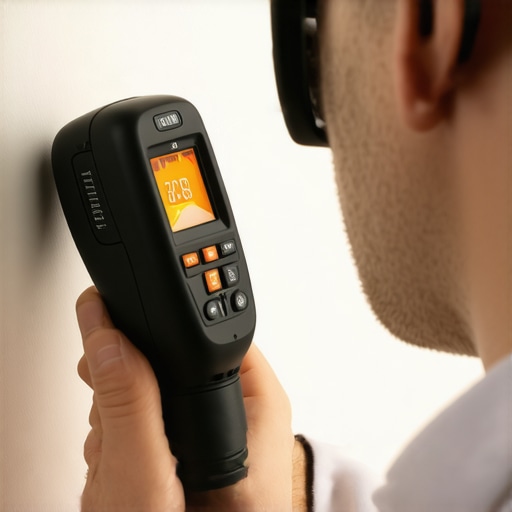
Another essential is a handheld infrared thermometer. This device helps me quickly identify temperature variations on surfaces—any abnormal heat spots could indicate moisture accumulation or compromised waterproofing. I use the FLIR One thermal camera attached to my smartphone for detailed surface scans, which is invaluable during routine inspections or after repairs.
For routine cleaning and preventive maintenance, a soft-bristle scrub brush and a mild, pH-neutral cleaner are my staples. Regularly cleaning grout lines and seals prevents buildup that can trap moisture or cause deterioration. I also keep a quality silicone sealant remover and a caulking gun handy. When any sealant shows signs of cracking or peeling, I remove and reapply a waterproof, flexible sealant like Sikaflex to ensure a proper seal that accommodates movement and expansion.
For those thinking long-term, investing in a portable water testing kit is wise. It allows me to perform quick water tests in vulnerable spots—like around drains or niches—to verify the integrity of the waterproofing system periodically. Doing this every 6-12 months can help catch issues early and extend the lifespan of your bathroom’s waterproofing.
How do I maintain waterproofing over time?
Consistent inspections using moisture meters and thermal cameras are key. Additionally, cleaning grout and seals regularly, reapplying sealant when necessary, and performing water tests after repairs help ensure lasting protection. Remember, waterproofing isn’t a one-and-done task; it requires ongoing vigilance. Stay proactive, and your bathroom will remain dry and beautiful for years to come. For detailed guidance on repairs and maintenance, check out top shower waterproofing tips.
Try integrating these tools into your maintenance routine—especially the moisture meter and thermal camera—to catch issues early. A small investment in these devices can save you a significant amount of money and hassle down the line.
The Hardest Lesson I Learned About Waterproofing
One of my biggest realizations came after a costly leak that could have been prevented. I used generic sealants and overlooked sealing corners and joints properly. The lesson? Waterproofing is all about attention to detail. Skipping surface preparation or choosing the wrong membrane can turn your dream bathroom into a nightmare.
3 Myths About Waterproofing That Held Me Back
- Myth: Sealing grout lines is enough.
Truth: Water sneaks through grout, cracks, and unsealed joints—never rely solely on grout sealing. - Myth: Waterproof membranes are unnecessary in small areas.
Truth: Even tiny spaces need proper membranes; water damage doesn’t respect size. - Myth: Waterproofing is a one-time job.
Truth: Regular inspections and maintenance are essential for longevity.
What Experts Won’t Tell You About Waterproofing
Advanced waterproofing techniques accommodate movement and expansion, significantly extending the lifespan of your bathroom. For example, flexible liquid membranes often outperform rigid sheet membranes when applied correctly. Trust me, understanding water flow and pressure dynamics can make all the difference in a durable renovation.
My Essential Toolkit for Waterproofing Success
- Moisture Meter: I rely on the Gypsum Moisture Meter to detect hidden water intrusion early.
- Infrared Thermometer: The FLIR One thermal camera helps me identify temperature anomalies indicating moisture buildup.
- Sealant and Caulking Tools: I keep a quality flexible sealant like Sikaflex handy for re-sealing joints.
- Water Testing Kits: Performing regular water tests around drains and niches ensures ongoing protection.
Take Action Now for a Leak-Free Bathroom
Your bathroom’s waterproofing quality determines its long-term durability. Regular inspections, timely reapplications, and understanding water flow are your best tools for success. Don’t wait for a leak to ruin your space—start implementing these insider tips today and enjoy a dry, stylish bathroom for years to come. Which waterproofing challenge have you faced? Share your story below!