![Spot a Bad Carpet Stretch Before the Furniture Moves In [2026]](https://floorcraftstore.com/wp-content/uploads/2026/02/Spot-a-Bad-Carpet-Stretch-Before-the-Furniture-Moves-In-2026.jpeg)
Imagine this: You’ve finally found the perfect spot for your new sofa, only to realize that the carpet beneath it has developed unsightly wrinkles, guiding your mind to question whether you missed signs of poor installation or hidden damage. I had that exact moment during my first big home upgrade—an unsettling taste of what can go wrong if you’re not vigilant before your furniture arrives. That experience was a lightbulb moment, revealing just how crucial it is to spot carpet stretch problems early, before perfection turns into frustration.
Why Checking Your Carpet Before Moving Furniture Matters
The reality is, home renovations and upgrades are significant investments—both financially and emotionally. When it comes to carpets, a bad stretch can lead to wrinkles, loose seams, and even accelerated wear, which not only ruin the aesthetic but also compromise durability. If you buy or replace carpet, it’s essential to assess its condition thoroughly before furniture placement. Doing so saves you future headaches and costly repairs down the line. Plus, addressing stretch issues early ensures your space looks fresh and inviting, not plagued by avoidable flaws.
Got Cold Feet About Carpet Inspection? Think Again
Now, some folks might wonder if this extra step is worth it, or if it’s just another unnecessary hassle. Trust me, I learned from early mistakes—like rushing into my last carpet install and skipping detailed checks. That slip-up resulted in a major wrinkle nightmare a few months later, forcing me to call in professionals to fix it at an extra cost. The key is to perform simple, effective tests during the initial inspection, such as the classic carpet pull or wrinkle check, which can reveal underlying issues needing attention. You can find detailed testing techniques at this resource that I wish I had known about earlier.
So, in the following sections, I’ll guide you through practical steps to identify carpet issues before furniture moves in, ensuring your home stays beautiful and hassle-free for years to come. Ready to become your own carpet inspector and avoid common pitfalls? Let’s get started!
Performing the Basic Pull and Wrinkle Test
Start by gently pulling on the carpet edges to check for looseness. If the carpet shifts easily or wrinkles form with minimal pressure, it indicates poor stretching or underlying subfloor issues. Use a knee kicker or pulling tool if necessary, but be cautious not to damage the fibers. During my last inspection, I used this simple pull test in a new apartment; it revealed loose areas that weren’t visible at first glance, saving me from future wrinkles.
Using a Straight Edge to Detect Uneven Surfaces
Place a long, straight piece of wood or a level across the entire carpet surface. Look for gaps or high spots where the straight edge doesn’t sit flush. This reveals uneven subflooring or insufficient padding that causes sagging. I once used a spirit level over my living room carpet and uncovered a slight dip in one corner, which I later fixed by addressing the subfloor before laying new padding, resulting in a smooth finish.
Testing for Excessive Stretching and Repair Needs
Gently lift sections of the carpet to see if the fibers stretch excessively or fray. Excessive stretching suggests underlying subfloor depression or poor installation. When I replaced my own carpet, I pulled up a corner and noticed fibers pulling apart, indicating the need for better subfloor support—a step that prevented future buckling. For more insights, check expert tips on carpet floor leveling.
Check Seam Integrity and Seams Placement
Inspect the seams carefully by running your hand along the edges, looking for bumps or loose areas. Seams should be tight and secure; loose seams can cause wrinkling over time. I experienced this firsthand when a seam near the doorway loosened after a few months, leading to tripping hazards. To prevent this, ensure seams are properly glued or stapled, and consider the professional installation strategies.
Evaluate the Subfloor and Padding Condition
Remove a small section of carpet if possible and examine the padding and subfloor beneath. Look for moisture, sagging, or damage. Moisture can cause mold and loosen the adhesive, while sagging indicates subfloor dips. I once found a damp spot under my carpet, which I addressed by replacing the damp subfloor section—this prevented future carpet wrinkles and extended its lifespan. For fixing dips and leveling, visit subfloor repair options.
Confirm Moisture Levels to Prevent Future Damage
Use a moisture meter to check the subfloor’s moisture content. Excess moisture will lead to mold, mildew, and poor adhesive bonding, all of which can cause wrinkles or buckles. I learned this the hard way when installing a new carpet over a concrete slab; measuring moisture prevented future buckling issues. Proper moisture assessment is crucial, especially in basements or areas prone to humidity. For tips, see moisture-proofing strategies.
Document and Address Issues Before Installing
Take photos of problem areas or note any irregularities. Address these issues by leveling the subfloor, replacing damaged padding, or fixing moisture problems before proceeding. In my case, documenting my findings helped communicate with professionals, ensuring proper repairs, and avoiding costly rework after installation. This proactive approach is key to ensuring your carpet remains wrinkle-free and durable over time.Many homeowners and DIY enthusiasts assume that basic visual inspection is enough to ensure a perfect finish when installing floors or showers. However, the reality is far more nuanced, and overlooking these details can lead to costly mistakes down the line. One common misconception is that if the surface looks level to the eye, it is truly ready for installation. But experts emphasize the importance of thorough testing—such as running detailed floor-leveling checks—before laying down high-traffic materials like laminate or carpet. Skipping these steps can result in uneven floors, bubbling, or wrinkling, which are much harder to fix after installation.
Why does 1/8 inch matter when leveling floors?
Many believe that a small discrepancy like 1/8 inch isn’t significant, but even minor dips and rises can cause issues, especially with laminate flooring. It’s critical to use precise tools—such as laser levels or long straightedges—to identify these subtle imperfections. Studies from flooring specialists reveal that uneven subfloors are the number one cause of laminate and hardwood failures. Compounding this, many underestimate the importance of assessing moisture content and subfloor integrity, which if neglected, can cause buckling or mold growth later. For instance, testing with a moisture meter prior to installation is essential, particularly over concrete slabs or in humid climates. Skipping moisture assessment is a trap that can lead to dry rot or peeling, as documented extensively in expert guides on subfloor preparation.
When it comes to showers, overlooked issues in the subfloor or improper slope can undermine waterproofing efforts, leading to leaks and water damage. Many installers focus solely on the visible parts—like the shower pan or tile—without considering the underlying structures. Installing a properly sloped shower pan is crucial; failing to do so can cause water pooling and rot beneath the tiles. For advanced DIYers, understanding the nuances of shower base placement and waterproofing can save thousands in repairs. Recent research shows that improper slope is a leading cause of bathroom leaks, which often go unnoticed until significant damage occurs. Investing in proper subfloor treatment and precise slope measurement during installation is a small detail that pays off in durability and safety.<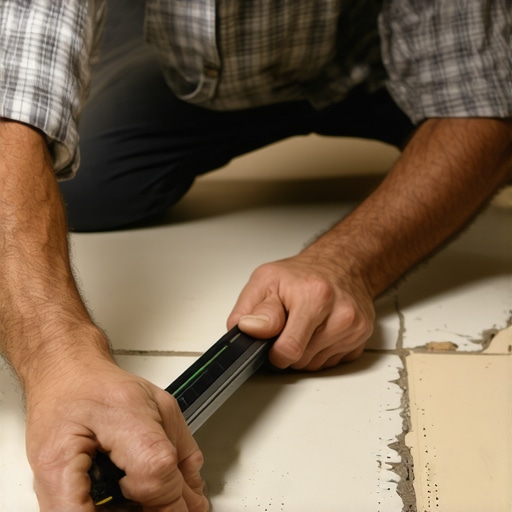 >
>
Similarly, lamination and carpet installation are rife with myths about surface preparation. One persistent misconception is that as long as the surface appears smooth, it doesn’t need leveling or repairing. In reality, slight imperfections can cause gaps and bubbles—especially with click-lock laminates that require tight joints. Experts recommend thorough testing by running a long straightedge and checking for high and low spots, as even small imperfections can compromise the entire floor’s longevity. Furthermore, improper padding installation beneath carpets is another frequent mistake. Over-compressed or uneven padding can cause wrinkles or uneven wear, reducing the carpet’s lifespan. The key lies in understanding the importance of proper subfloor conditioning—addressed in detail within specialist resources such as https://floorcraftstore.com/expert-floor-leveling-laminate-tips-for-lasting-home-beauty.
In conclusion, the hidden nuance in all these projects is that surface appearance is just one part of a larger puzzle. The true success hinges on meticulous testing, subfloor assessment, and understanding the material-specific requirements. Falling into the trap of superficial inspections can lead to frustrations, repairs, and expenses that could have been avoided. By investing time in detailed evaluations and leveraging expert guidance, you ensure your home upgrades are durable and beautiful. Have you ever fallen into this trap? Let me know in the comments.
Keep It Working: Essential Tools for Longevity
Maintaining your flooring and shower systems over time requires the right equipment. I personally swear by a high-quality laser level for assessing floor flatness; it provides precise measurements that traditional spirit levels can’t match, especially over larger areas. For checking moisture levels beneath floors, I use a digital moisture meter, which quickly identifies excess humidity that could cause future buckling or mold. These tools help catch issues early, saving you from costly repairs down the line.
When it comes to cleaning and minor adjustments, a cordless rotary tool with different attachments proves invaluable—whether it’s smoothing out uneven grout or polishing floor edges. I also recommend incorporating an infrared thermal camera into your toolkit. This device helps detect hidden moisture or heat differences that might indicate insulation or subfloor problems, enhancing your diagnostic accuracy. Investing in these reliable tools ensures you can address issues proactively, extending the lifespan of your upgrades.
Best Software for Tracking Maintenance and Planning Upgrades
Staying on top of maintenance schedules is crucial. I rely on dedicated home management apps like HomeZada, which allows detailed tracking of repairs, inspections, and improvements. For more technical planning, CAD software such as SketchUp helps visualize modifications before execution—particularly handy when planning for scaled renovations or small adjustments. These programs empower you to organize and strategize effectively, maintaining your renovations’ quality over long periods.
Predicting Future Trends in Home Maintenance
As technology advances, the integration of IoT devices into homes is becoming more common. Smart sensors that monitor humidity, temperature, and structural shifts are increasingly affordable and user-friendly. I predict that in the coming years, these intelligent systems will automate regular checks—alerting you to potential issues before they escalate. Embracing these innovations now can significantly reduce ongoing maintenance efforts and safeguard your investments.
How do I keep my flooring and showers in top shape over the years?
Regular inspections using precise tools like the ones I mentioned—such as the moisture meter and laser level—are your best strategy. Performing routine tests helps catch early signs of unevenness, moisture intrusion, or subfloor sagging. For instance, testing subfloor moisture levels periodically, especially in humid climates or after heavy rainfall, ensures that your waterproofing remains effective. Address problems immediately by referring to expert guides or professional services, and don’t forget to document any issues—this makes future repairs much smoother. For a detailed approach on maintaining laminate flooring, check out this resource.
Additionally, replacing worn-down padding under carpets with high-density foam can prevent wrinkles and extend carpet life, which is often overlooked. Rangefinders and moisture tests can detect hidden problems before they become visible, saving you from disruptive repairs later. Remember, staying proactive with these tools and methods ultimately preserves your home’s beauty and functionality for years to come. Try implementing a monthly inspection schedule with your laser level and moisture meter; small, consistent checks make a huge difference.
The Hardest Lesson I Learned About Floor Leveling and Shower Installation
One of my most eye-opening experiences was realizing that even a small 1/8-inch dip in the subfloor could ripple into big problems down the line—causing laminate gaps or shower leaks. I used to think visual inspection sufficed, but the truth is, precise floor leveling tests reveal issues no eye can catch, saving you headaches and costly repairs later. This lesson taught me the importance of meticulous measurement, something I now handle with advanced tools like laser levels and moisture meters, which I trust deeply after years of experience.
My No-Fail Strategy for Avoiding Installation Nightmares
Before I start any renovation, I dedicate time to thorough assessments—testing moisture, checking seams, and examining subfloor integrity. I learned the hard way that skipping these steps often leads to wrinkles, buckling, or water damage. Now, I always document problem areas and address them proactively using expert guides like this resource. Trusted tools like moisture meters and laser levels have become my best allies in ensuring lasting beauty and durability in my home upgrades.
Why Overlooking Small Flaws Can Cost You Big Time
It’s tempting to ignore tiny imperfections, but I found that tiny dips or loose seams can morph into major issues—bubbles, leaks, or uneven wear. The lesson? Never underestimate the power of quick, precise tests. For example, my routine includes running a long straightedge over new flooring and checking moisture levels beneath the subfloor. The peace of mind is priceless, and it keeps my mind at ease knowing my investment is protected. If you’re serious about durability, exploring expert strategies at this guide is well worth your time.”}\n