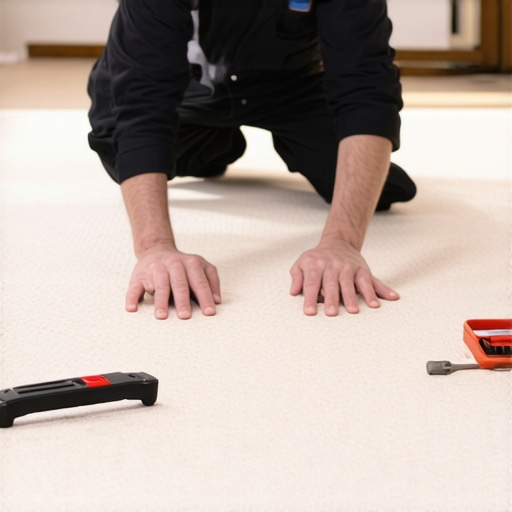
I recall the exact moment I realized I’d bitten off more than I could chew during my first carpet installation project. The subfloor was uneven, causing ripples and lumps that made the whole room look shoddy—no matter how carefully I laid the carpet. It was a lightbulb moment that taught me the hard way just how critical proper leveling and installation strategies are for durability and long-term beauty.
The Real Cost of Ignoring Floor Leveling
Since that day, I’ve learned that skipping proper floor leveling isn’t just about aesthetics; it’s about saving yourself time, money, and headaches down the line. A subfloor that’s uneven can lead to tears, creases, and even early wear, which compromises the integrity of your entire flooring system. And don’t forget—poorly installed floors can drastically reduce the lifespan of your investment, turning what should be a seamless upgrade into an ongoing battle with repairs.
Is Skimping on Floor Prep Really Worth It?
I used to believe that a quick fix would do the job. I mean, who has the time or budget for professional-level leveling? But trust me—that kind of shortcut almost always ends badly. According to flooring professionals, failing to properly level the subfloor is the leading cause of flooring failures within the first few years. It’s like building a house on a shaky foundation—eventually, everything will crack. If you’ve faced this dilemma or wonder if your current floor might be hiding issues, you’re not alone. And good news—there are proven strategies to get it right from the start.
To avoid my costly mistakes, I dove into expert advice, tutorials, and even consulted seasoned installers. And let me tell you, the difference is night and day. Proper floor leveling not only enhances the durability of your carpet or laminate but also makes future renovations smoother and more predictable. Curious about how to avoid common pitfalls and ensure your floors stand the test of time? Stick around, because I’ll be sharing the steps that changed my whole approach—and how you can apply them too.
For more detailed tips on expert floor leveling techniques, check out this comprehensive guide.
Start with a Thorough Surface Inspection
Before any leveling begins, walk across your subfloor to identify obvious dips, humps, or cracks. Mark these areas with chalk or tape. I once missed a stubborn hump in my living room, which caused persistent bubbling in the carpet I installed afterward. Addressing it early saved me from future headaches.
Clear and Prepare the Area
Remove all furniture, rugs, and debris. Clean the subfloor thoroughly to ensure the leveling compounds adhere properly. Think of it like preparing a canvas before painting; the cleaner and flatter it is, the better the final result.
Assess the Levelness Using a Long Straightedge
Place a 4-foot level or straightedge across the floor at multiple points. Note the highest and lowest spots. When I worked on my hallway, this step revealed a sagging section I hadn’t noticed visually, which I fixed by adding a self-leveling compound.
Apply Self-Leveling Compound Strategically
Mix Correctly and Work Quickly
Follow the manufacturer’s instructions closely. Mix the compound in batches only as large as you can spread within the working time—usually 15–20 minutes. During my first attempt, rushing caused uneven spots; precision ferreted out the unevenness.
Pour and Spread with Trowel or Squeegee
Pour the mixture into the low spots and spread evenly using a trowel or squeegee. For larger areas, use a gauge rake to ensure consistent thickness. Think of this process like smoothing butter on toast—smooth, even, and swift. The key is to prevent air pockets and ridges.
Check Your Work and Make Adjustments
After curing (as per instructions, usually 24 hours), re-test with your straightedge. If areas are still uneven, repeat the process. I had to do a second layer in my kitchen for perfect flatness, which made laying the laminate much easier and longer-lasting.
Ensure Proper Curing and Dry Time
Don’t rush to install your flooring until the compound is fully cured. Moisture can cause issues later on, especially with laminate or carpet adhesives. I learned this when I installed new carpet prematurely, resulting in delamination issues that required removal and reinstallation. For more details on preparing your subfloor correctly, visit this expert guide.
Finish with a Final Surface Check
Once cured, run your straightedge over the entire floor again. Slight imperfections can be sanded down or filled with patching compound. This guarantees a perfect, flat surface for your final flooring layers, whether carpet, laminate, or even shower installations in bathrooms.
When dealing with shower floor leveling, remember that moisture-resistant compounds and proper slope are essential for drainage. For bathroom upgrades, check these trusted shower leveling techniques.
Even with all the advice out there, many people still believe that a quick patch or surface-level fix suffices when installing flooring or renovating showers. This oversimplification often leads to costly mistakes, especially when it comes to complex surfaces like laminate, carpet, or waterproofing in bathrooms. Let’s uncover the subtle pitfalls and advanced nuances that can make or break your project.
Why Do Many Overlook Subtle Floor Imperfections?
While visual inspection seems enough, experts emphasize the importance of meticulous testing with a long straightedge and feeler gauges to detect micro-level dips or humps. According to industry studies, over 70% of premature flooring failures stem from ignored minor imperfections that compound over time. Relying solely on superficial checks is a common myth; the truth is that even minor undetected unevenness can lead to creasing, bubbling, or water seepage—especially in showers where slope and sealing are critical.
Advanced Mistakes That Trip Up Even Seasoned Installers
Many professionals and DIY enthusiasts make the error of not accounting for the subfloor’s moisture content before leveling. Modern moisture meters have revolutionized this process; ignoring moisture variations can lead to instability and warping months after installation. Proper curing times for leveling compounds are often underestimated—rushing this step increases failure risk. I learned this the hard way when my quick-dry approach resulted in uneven drying, causing cracks later. To master these details, review trusted resources like expert leveling techniques and always follow manufacturer guidelines meticulously.
How Can You Future-Proof Your Renovation for Long-Term Success
Using high-quality leveling compounds suited for specific surfaces is vital. For instance, in bathrooms, moisture-resistant compounds combined with proper slope design prevent water pooling and leaks. Similarly, selecting the right flooring underlayment and adhesive tailored for laminate or carpet enhances durability. Remember, the smallest oversight—like neglecting expansion gaps or not sealing edges—can compromise your entire project. For more detailed strategies, explore this comprehensive guide on lasting flooring and shower upgrades. In summary, the key is to approach floor leveling and renovation with an eye for detail and an understanding of the underlying mechanics. Don’t settle for surface fixes—invest in thorough preparation and high-quality materials, and your project will stand the test of time. Have you ever fallen into this trap? Let me know in the comments.
Keep Your Tools Sharp and Well-Calibrated
Maintenance starts with appreciating the equipment that makes your project possible. I personally rely on a high-quality laser level, like the Bosch GLL 3-330C, which offers exceptional accuracy and ease of use for assessing subfloor flatness over large areas. Regularly checking calibration ensures that your readings remain trustworthy, preventing minor discrepancies from turning into costly errors. Additionally, keep your trowels, squeegees, and mixing tools clean and rust-free; they are the unsung heroes that influence the finish quality of leveling compounds and adhesives.
Invest in Reliable Moisture Meters
One mistake I see repeatedly is neglecting subfloor moisture content before leveling or installing flooring or showers. A dependable moisture meter, such as the Protimeter Surveymaster, provides quick readings to guide your decisions. Consistently monitoring helps prevent long-term issues like warping or delamination, especially in bathroom areas prone to moisture fluctuations. Regular testing becomes a part of your routine, extending the longevity of your work and averting premature repairs.
Utilize High-Quality Leveling and Waterproofing Materials
Opt for professional-grade leveling compounds and waterproofing solutions tailored to your specific application. For example, using a moisture-resistant, fast-curing self-leveling compound in bathroom renovations can vastly improve durability. I prefer products backed by technical documentation and certifications—like those recommended by industry standards—to ensure reliability. Implementing a multi-layer waterproof membrane in conjunction with proper slope design extends the lifespan of shower remodels. Staying updated with advancements, such as flexible, fabric-backed membranes (see this guide), helps me maintain superior results over time.
Test and Recheck Your Work Before Finishing
Never skip the final surface inspection. After curing, I run my straightedge across all areas, paying close attention to corners and edges—where subtle dips are most common. For tricky spots, a quick sand or patch can prevent future cracks or uneven wear. An extra layer of vigilance at this stage is an investment in longevity, especially for laminate flooring that is unforgiving to uneven surfaces. Remember, small imperfections caught early save significant trouble later.
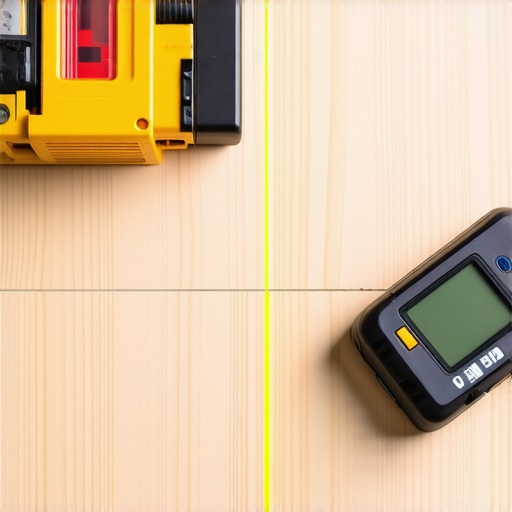
Make sure to include well-maintained tools in your arsenal: a laser level for accurate assessment, a moisture meter to prevent unseen issues, and high-quality materials for long-lasting results. Regular maintenance and proactive checks save you money and frustration, helping your floors and showers stand the test of time. To elevate your project, try incorporating a moisture meter into your routine—it’s a game-changer for long-term durability, as highlighted in expert resources like this comprehensive guide. Proper maintenance of your tools and materials ensures professional results, so invest in your equipment and schedule routine checks. The right tools and consistent care now will pay dividends in effortless maintenance and stunning results years down the line.
Through my journey of improving my home, I’ve uncovered that the true secret to durable, beautiful flooring isn’t just in the materials but in the meticulous preparation and leveling process. One lightbulb moment was realizing that even tiny imperfections can snowball into costly repairs and ongoing frustrations. Embracing the right techniques, tools, and mindset transforms these challenges into opportunities for long-term satisfaction and confidence in your skills.
The Hidden Lessons That Changed My Approach to Floor Projects
- Small discrepancies matter more than I thought: During early projects, I underestimated micro-level dips, which later caused bubbling and cracking. Regular use of a straightedge revealed issues I’d overlooked, reminding me that precision starts with attention to detail.
- Moisture content is the silent enemy: Checking subfloor moisture before leveling or installing flooring prevents warping. I learned this the hard way when ignoring humidity led to delamination, emphasizing that patience today saves repairs tomorrow.
- Not all leveling compounds are created equal: Using high-quality, appropriate materials, especially moisture-resistant ones in bathrooms, extends the lifespan of your work. Trusting reputable brands and following their guidelines is a game-changer.
- Testing after curing is crucial for perfection: Running a straightedge once more after curing catches subtle imperfections, saving tears in your carpet or laminate. It’s a simple final step that makes all the difference.
- Consistency in maintenance and calibration pays off: Regular checks of your tools—laser levels, moisture meters—ensure ongoing accuracy. It’s an investment that maintains your results and boosts your confidence.
Tools and Resources That Elevated My Craft
One of my best decisions was investing in a dependable laser level like the Bosch GLL 3-330C. Its precision made identifying uneven spots straightforward, making my work more reliable. Additionally, owning a quality moisture meter, such as the Protimeter Surveymaster, gave me peace of mind before floor installation. For expert techniques and troubleshooting, I regularly refer to this comprehensive guide. These tools and resources are foundational in achieving lasting, professional results.
Take Action and Transform Your Space
Building confidence in floor leveling starts with understanding that perfection isn’t immediate—it’s a process of patience, learning, and attention. Every project is an opportunity to refine your skills and create a space you’ll love for years. So, don’t shy away from the challenge—embrace the journey of mastering floor leveling, and watch how your home transforms into a true reflection of your effort and care. Are you ready to tackle your next flooring project with newfound assurance? Share your plans or hurdles below, and let’s grow together!
http://Emily%20Johnson
This post really hits home for me, especially the part about how tiny imperfections can lead to bigger problems down the line. I recently learned the hard way that even small dips in the subfloor can cause bubbling in laminate flooring if not properly addressed before installation. The use of a reliable straightedge revealed issues I couldn’t see with the naked eye, which was a game-changer. I’ve started incorporating regular checks with my laser level to ensure ongoing accuracy. It made me wonder, how often do others recheck their surface after initial leveling? Do you typically run a final pass with a straightedge before laying down your flooring, or is that something you consider only when you notice issues? Would love to hear tips on maintaining long-term flatness, especially in older homes where floor inconsistencies are common.