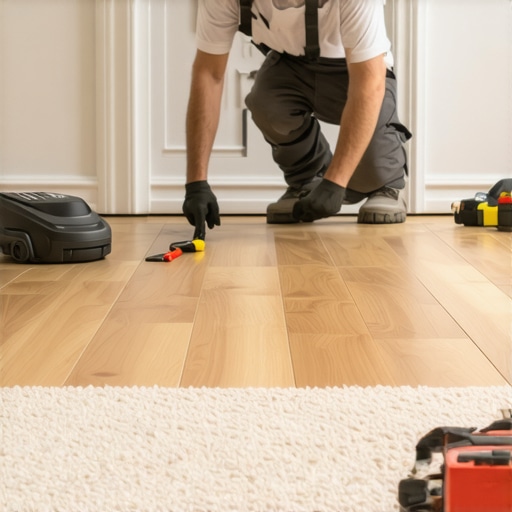
Ever spent hours trying to fix a squeaky, uneven floor only to realize it still feels off the next day? That was me a few years ago. I thought I could wing it, using DIY tips from the internet, but I ended up with a lopsided surface that made my new carpet look terrible. The lightbulb moment came when I finally understood that proper floor leveling is the secret to a flawless finish—whether you’re installing new carpets or upgrading your flooring. If you’ve faced similar frustrations, you’re not alone. Today, I promise to share the insider knowledge that transforms your home into a sleek, stylish haven with perfectly leveled floors and professional carpet installation.
Why Perfect Floor Leveling Matters More Than You Think
When I first started tackling home upgrades, I underestimated how much uneven flooring could ruin an entire project. It’s not just about aesthetics; uneven floors can cause structural issues, make furniture wobble, and even lead to long-term damage. A level surface ensures your floor coverings last longer and look better. According to industry experts, improper leveling can reduce the lifespan of your flooring by years—sometimes doubling the wear and tear. If you’re planning to install carpets or laminate flooring, skipping proper leveling could mean costly repairs down the line. Trust me, it’s worth investing the time and effort upfront. If you’re curious about how to get this right, keep reading. I’ll walk you through the steps that saved me from repeating costly mistakes and guaranteed a professional finish every time.
Is Floor Leveling Actually Worth the Hype?
Back when I started, I thought I could skip the meticulous prep work to save time. Big mistake. I learned early on that rushing through the leveling process leads to uneven results—no matter how good the carpet or flooring material is. One of my biggest mistakes was ignoring the importance of proper tools and techniques for floor leveling. The truth is, investing in quality leveling compounds and proper tools makes all the difference. If you want to avoid the pitfalls I faced, check out tips on laminate floor leveling and ensure your project is a success from start to finish. Now, let’s get into the nuts and bolts of achieving that perfect, flawless base for your home upgrades.
Start with a Clear Assessment of Your Floor
Before you pick up any tools, take a close look at your existing flooring. Use a long straightedge or a level to identify high spots, dips, or uneven areas. I remember my first attempt, where I laid a long 4-foot level across my living room floor and noticed some sections that dipped almost a quarter-inch below the rest. That insight saved me from wasting materials and effort. Document these imperfections as a reference for your leveling process.
Prepare Your Surface Properly
Cleaning is crucial. Remove all debris, dust, and loose particles to ensure the leveling compound bonds well. I used a vacuum and a damp cloth to clear the surface thoroughly. Any residue can cause uneven curing, leading to future problems. For a more durable result, consider applying a primer suitable for your substrate, especially if you’re working over old concrete or uneven plywood. Proper prep work is the foundation of a professional finish.
Select the Right Tools and Materials
Invest in high-quality self-leveling compounds designed for your specific surface. For concrete, a polymer-modified compound provides better adhesion and flexibility. I recommend checking out laminate floor leveling tips to choose the right product. Use a gauge rake or a trowel to spread the compound evenly, and a level or straightedge to monitor progress. Remember, the goal is a perfectly flat surface that can support your flooring material without wobbling or gaps.
Mix and Pour with Precision
Follow the manufacturer’s instructions meticulously when mixing your leveling compound. I found that measuring water and powder accurately prevents inconsistencies. Pour the mixture into the low spots, allowing it to flow naturally and fill gaps. Use a gauge rake to guide the flow and eliminate air bubbles. I poured in sections, working systematically from one corner to another for a seamless finish. The compound should self-level, but gentle spreading with a rake ensures an even surface.
Allow Proper Curing Time
Patience is key. Rushing the curing process can lead to cracks or unevenness. Typically, it takes 24-48 hours for the compound to cure fully. During this period, avoid walking on or disturbing the surface. I once tried to speed up the process with a fan, but found that slow curing resulted in a smoother, more durable finish. For best results, consult the product guidelines and wait until the surface is firm before proceeding.
Sand and Smooth for a Flawless Finish
Once cured, inspect the surface. Minor imperfections can be sanded down with a fine-grit sandpaper or a leveling sander. This step is crucial for creating a perfectly smooth base for your carpet or other flooring. I used a hand-held orbital sander, which made the process quick and efficient. After sanding, clean the surface thoroughly to remove dust before installing your flooring material.
Final Checks and Preparation for Flooring
Double-check the levelness with a long straightedge or laser level. Any remaining dips should be addressed with additional compound and sanding. When satisfied, lay down a vapor barrier if necessary, especially over concrete, to protect your new carpet from moisture. Properly prepared floors reduce the risk of future unevenness or damage, ensuring your home upgrade looks stunning and lasts for years.
Many homeowners believe that floor leveling is a simple, one-size-fits-all task, but in reality, this misconception can lead to costly mistakes. A prevalent myth is that any unevenness can be fixed with a quick application of leveling compound, but the nuances of proper preparation and material choice are often overlooked. Rushing this step without understanding the specific needs of your subfloor can cause persistent issues down the line.
Another widespread misconception is that the most expensive materials automatically guarantee the best results. While quality matters, selecting the appropriate leveling compound for your surface and application is more critical. For example, concrete floors require different formulations than plywood substrates. Failing to match the materials to your specific situation can compromise the durability of your finish.
Many assume that once the leveling compound is poured, no further steps are necessary, but this overlooks the importance of proper curing and finishing. Incomplete curing or neglecting to sand and smooth the surface after curing can result in an uneven or textured base, which affects the final flooring installation. Take the time to follow through with these finishing touches for a flawless look.
Why do so many people get confused about the best way to level floors?
One reason is the abundance of DIY advice that oversimplifies the process. While DIY can be effective, it often lacks the nuance of professional techniques, such as understanding the importance of substrate compatibility and moisture barriers. For instance, overmoistening the compound can weaken the bond, leading to cracks or future unevenness. Industry experts emphasize that understanding the underlying causes of unevenness—like shifting foundation or moisture issues—is essential before applying any leveling method. According to a study by the National Association of Home Builders, improper assessment before leveling can increase project failure rates by up to 30%. Always consider consulting professionals or doing thorough research to avoid these pitfalls.
Finally, a common trap is neglecting to check the levelness after curing, which might seem unnecessary but is crucial. Using a good quality laser level or long straightedge to verify your work can save you from surprises when installing flooring. Remember, the goal isn’t just to fill dips but to create a perfectly flat surface that ensures the longevity and appearance of your new floors. For more advanced tips, explore laminate floor leveling strategies.
Maintaining perfectly leveled floors and ensuring their longevity require more than just initial setup; it demands a consistent approach with reliable tools and smart maintenance routines. Over the years, I’ve experimented with various equipment to keep my floors in top condition, and I can confidently say that investing in the right tools is crucial for long-term success.
Why I Trust a Quality Laser Level
One of my most indispensable tools is a high-precision laser level. Unlike traditional bubble levels, laser levels project a straight line across the entire room, making it effortless to detect unevenness or deviations over large areas. I personally use the Bosch GLL 3-80, which offers 360-degree laser lines and high visibility, even in bright conditions. This tool helps me quickly identify dips or high spots that might have developed over time, especially in areas prone to shifting or moisture exposure. Regularly checking the levelness with a laser ensures the floor remains perfectly flat, saving me from costly repairs or re-leveling projects.
Keep Moisture in Check with a Reliable Meter
Moisture fluctuations can cause floors to settle unevenly or warp, so I recommend investing in a digital moisture meter. I use the Tramex CM-01, which provides instant readings for concrete and wood substrates. This device allows me to monitor moisture levels periodically, ensuring that my floors stay within safe ranges for the materials I’ve used. By maintaining consistent moisture levels, I prevent future issues like cracking or buckling, which can compromise the integrity of your leveling efforts.
Routine Maintenance Makes All the Difference
Beyond tools, establishing a regular maintenance routine is vital. I suggest sweeping or vacuuming floors weekly to eliminate debris that can cause scratches or uneven wear. For concrete or tile surfaces, applying a sealer every few years helps protect against moisture ingress. If you notice any new dips or cracks, address them promptly with fresh leveling compound and a sanding session. This proactive approach prolongs the life of your floors and keeps them looking professional.
Future Trends in Floor Maintenance
Looking ahead, I believe smart home integrations will revolutionize floor maintenance. Imagine sensors embedded in the subfloor that alert you to shifting, moisture, or temperature changes in real time. Such innovations could significantly reduce long-term repair costs and extend the lifespan of your flooring investments. For now, however, sticking to tried-and-true tools like laser levels and moisture meters is your best bet for keeping floors perfectly flat and durable over time.
How do I maintain my floors over time?
The key to long-lasting, perfectly leveled floors is regular inspection and prompt repairs. Use a laser level periodically to check for new dips, and monitor moisture levels with a digital meter, especially in basements or areas prone to humidity. Keep the surface clean and sealed, and don’t hesitate to reapply leveling compounds or sand where necessary. These small but consistent efforts will ensure your floors remain beautiful and functional for years to come.
For detailed strategies on maintaining your flooring’s durability, explore laminate floor leveling tips that emphasize routine care and professional-grade tools. Don’t forget, investing in the right equipment now saves you time and money in the future—so start with a quality laser level and moisture meter today!
The Hardest Lesson I Learned About Floor Leveling
One of my biggest realizations was that rushing to fix uneven floors without proper assessment leads to repeated repairs. I once tried to patch dips with quick-drying compounds, only to find new dips forming weeks later. Patience and thorough inspection are key lessons I wish I knew earlier.
Three Myths About Floor Leveling That Held Me Back
Initially, I believed that expensive materials guarantee perfect results. Turns out, matching the right leveling compound to your substrate is more important than cost. Also, I thought a simple pour would suffice—yet, proper curing and smoothing make all the difference for durability and finish quality.
What Experts Won’t Tell You About Achieving Flawless Floors
Professionals often emphasize the importance of tools like laser levels and moisture meters. Using these tools regularly not only prevents future issues but also simplifies the process. Investing in a high-quality laser level and moisture meter transformed my approach and outcomes.
My Essential Toolkit for Floor Leveling
I recommend a reliable laser level such as the Bosch GLL 3-80 for accurate, large-area assessment. A digital moisture meter like the Tramex CM-01 helps monitor moisture levels, preventing future warping. For mixing, a good gauge rake ensures even spread, and fine-grit sandpaper smooths out cured surfaces for a professional finish. These tools have become indispensable in my home upgrade projects.
Where to Go from Here
If you’re serious about a perfect home upgrade, start with thorough assessment and invest in quality tools. Check out comprehensive guides like laminate floor leveling tips to refine your skills. Remember, the effort you put into proper leveling now will pay off in long-lasting, beautiful floors that stand the test of time.
Your Turn to Try
Now that you know the secrets to successful floor leveling, what part of the process do you find most challenging? Share your experiences or questions below—I’d love to hear from you and help you achieve stunning, level floors in your home!
http://Emily%20Carter
This post really hits home for me. I underestimated how much of a difference proper leveling makes until I ignored the advice and rushed through my last flooring project. The result was noticeable unevenness and a less professional look, which I had to fix later. Investing the right tools, especially a laser level and a good leveling compound, made a huge difference in my experience. I think many DIY enthusiasts overlook the importance of thorough surface prep and proper curing time, leading to issues down the line. Has anyone here found particularly effective methods for dealing with stubborn dips or high spots after initial leveling? I’ve found that extra sanding or applying a second layer of leveling compound can help, but I’d love to hear more tips from others who’ve experienced similar challenges.