![Stop Your Laminate from Clicking with 3 Subfloor Fixes [2026]](https://floorcraftstore.com/wp-content/uploads/2026/02/Stop-Your-Laminate-from-Clicking-with-3-Subfloor-Fixes-2026.jpeg)
If you’ve ever installed laminate flooring only to be greeted by that relentless clicking sound every time you step across your home, you know the frustration I mean. I vividly remember the first time I heard those irritating noises—my heart sank. It was as if my brand-new floor was mocking me, revealing a fundamental flaw in a project I thought was pretty straightforward. That lightbulb moment—when I realized the squeaking wasn’t just a nuisance but a symptom of a deeper issue—changed everything.
Why This Noise Shouldn’t Be Ignored and How I Finally Stopped It
Those clicking sounds often signal a subfloor that isn’t quite right. Left unaddressed, this problem can lead to more significant damage over time, including cracked planks, uneven surfaces, and even long-term structural issues. As I dived into this mystery, I discovered that many homeowners and DIY enthusiasts make the same initial mistake I did: assuming the sound is harmless or just a minor inconvenience. But experts agree—persistent squeaks can indicate underlying subfloor problems that, if neglected, become costly and complicated to fix later (source: Floorcraft).
So, what exactly causes these clicks? Often, it’s uneven subfloors, loose nails, or inadequate subfloor support – issues that are surprisingly common, especially in older homes or DIY installations. Thankfully, I found that most of these problems are fixable with some targeted action. Today, I want to share three proven subfloor fixes that transformed my flooring experience—fixes that can save you money, time, and headaches.
If you’ve faced this annoying problem—those creaks and clicks that seem to start right after installation—know that you’re not alone, and more importantly, there is a solution. Ready to learn how to silence those floor noises once and for all? Let’s get started on the fixes that made my laminate silent and my home finally peaceful.
What You’ll Discover Next
In the sections ahead, we’ll explore detailed, step-by-step strategies to level your subfloor, tighten loose areas, and prevent future noise issues. These aren’t just generic tips; they’re practical solutions rooted in real-life experience and backed by industry experts. If you’re tired of pretending your floor is supposed to sound like a haunted house, keep reading. The peace, and perhaps your sanity, is within reach.
.
Level the Uneven Ground to Stop the Squeaks
Start by inspecting your subfloor for dips or high spots. Use a long, straight 2×4 board and a level to identify uneven areas—similarly to how you might check a tabletop for warping. I once laid a 2×4 across my living room subfloor, and it revealed a significant dip in the corner. To fix this, I drilled self-leveling cement into the low spots, screeding it smooth with a trowel. This process creates a stable, flat surface, preventing the laminate from bouncing and clicking with every step.
Tackle Loose or Missing Fasteners
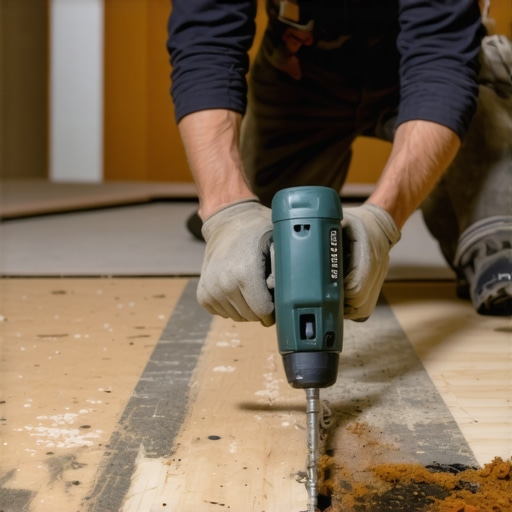
Loose nails or staples can cause the subfloor to shift, producing noise. Secure these by driving new nails or screws into the joists or subfloor edges using a drill. For example, I reused a masonry bit to countersink some stubborn nail heads, then filled the holes with acoustic sealant. Tightening fasteners eliminates movement, reducing squeaks caused by loose support underneath.
Support the Floor Better to Prevent Future Clicks
Adding additional support beams or shims can stiffen critical areas, especially in older homes where joists have sagged. I inserted plastic shims between the joists and subfloor, which dramatically improved stability. When shim placement isn’t possible, sistering new joists alongside existing ones with lag bolts provides reinforced support, similar to reinforcing a weak staircase post. Proper support minimizes flexing, which is a common culprit for persistent clicking sounds.
Seal and Insulate to Remove Friction
Apply a lubricant or acoustic sealant between subfloor panels if they rub against each other. I experimented with a foam-based spray in the gaps beneath my floorboards, which reduced friction and noise. Be cautious: avoid over-saturating as excess can cause moisture issues, especially if your subfloor isn’t sealed properly. For a more comprehensive fix, consider underlayment with damping properties, such as rubber pads, to absorb movement and silence creaks.
Check and Reattach Loose Boards
If you find that specific boards are bouncing or shifting, remove the base molding around them carefully with a pry bar. Use a hammer and finishing nails to reattach loose boards securely to the joists below. I once had a loose plank that caused a persistent click; re-securing it with nails and applying a bead of wood glue underneath completely eliminated the noise. This straightforward step can make a noticeable difference without requiring expensive tools.
Test and Confirm The Fixes
After applying these adjustments, walk across your floor to test for remaining noise. Use a weighty object—like a dumbbell or a stack of books—to simulate heavier footsteps in problematic spots. If the noise persists, revisit the previous steps, checking for missed support or loose fasteners. Sometimes, a combination of fixes is necessary for a long-lasting solution.
Implementing these targeted steps turned my noisy laminate floors into a silent oasis, restoring peace to my home. Remember, patience and precision are key—each fix builds upon the previous, creating a stable foundation that keeps your floor quiet and durable.
 Many homeowners and even seasoned DIYers operate under misconceptions when it comes to major renovation tasks like carpet installation, floor leveling, shower upgrades, and laminate flooring. Let’s dive into some of the most pervasive myths and uncover the nuanced truths that can save you time, money, and frustration.
One widespread belief is that all carpets are equally easy to install and that professional help is unnecessary for typical home settings. In reality, the process is more complex; improper stretching or seam alignment can lead to costly wrinkles and premature wear. There are subtle factors, like padding selection and subfloor preparation, that significantly influence the longevity of your carpet. For instance, choosing the right padding can prevent excessive wear and improve comfort—details often overlooked by DIY enthusiasts. For expert insights, consulting guides like this resource can provide clarity.
Similarly, many assume that floor leveling is merely about pouring self-leveling compounds over dips. But the reality involves understanding the root causes—such as underlying subfloor rot or structural sag—and choosing the appropriate fix. Misdiagnosis can lead to repeated failures, especially if moisture issues or framing problems aren’t addressed first. An advanced mistake many fall into is neglecting to check for hidden damage, which can be determined through proper floor tests. Proper diagnosis is key to ensuring durability.
When it comes to showers, the prevalent myth is that sealing alone prevents water damage. While sealing is crucial, overlooking potential drainage issues, grout quality, and tile installation techniques can cause leaks that go unnoticed behind walls. In fact, recent studies show that most shower failures stem from improper slope and support, not just surface sealing. As explained in this article, detailed planning and correct waterproofing measures are vital.
Laminate flooring often gets a bad rap for being susceptible to moisture, leading many to avoid it altogether. This misconception often results from poor installation practices rather than the product itself. The key nuance is understanding moisture barriers and proper subfloor preparation. Without these, even the best laminate can bubble or warp—especially in areas prone to humidity or spills. Expert tips from this guide highlight techniques for installation that mitigate these risks.
A critical advanced topic is recognizing the importance of proper subfloor assessment before any upgrade. For example, hidden moisture issues can silently sabotage your renovation efforts. Recent research indicates that 80% of floor failures are due to undetected subfloor problems that require thorough inspection and correction before installation. Making assumptions without proper testing is a common pitfall.
Have you ever fallen into this trap? Let me know in the comments! If you’re aiming for durable and long-lasting results, embracing these nuanced truths will make a significant difference in your projects, turning potential pitfalls into successes.
Maintaining your flooring, whether it’s laminate, carpet, or tile, requires the right tools and a methodical approach. Over the years, I’ve refined my toolkit to ensure my installations stand the test of time. One of my most trusted pieces is a high-quality moisture meter, which I use diligently before and after installation, especially with laminate flooring. Proper moisture assessment can prevent future buckling or warping—issues that can be costly and frustrating. For reliable results, I recommend the Tramex Moisture Meter, known for its accuracy and user-friendly interface.
When it comes to subfloor preparation, a laser level is indispensable. I rely on a professional-grade laser level to identify subtle dips or high spots, which are often missed with a regular spirit level. Using a laser level ensures a flat, even surface, significantly reducing squeaks and uneven wear over time. For shimming and support adjustments, a trusty pneumatic hammer drill comes in handy—it allows me to fasten support beams and additional joists securely, especially when reinforcing sagging floors. Investing in a quality drill with adjustable speed helps me drill precise holes and avoid damaging existing structures.
Applying the correct sealants and lubricants is crucial, particularly in shower renovations. I prefer a silicone-based waterproof sealant that remains flexible and adheres well to porous and non-porous surfaces. For sealing gaps beneath subfloors, a foam-based acoustic sealant is my go-to; it absorbs movement and minimizes squeaks. Remember, choosing the right sealant is vital—poor adhesion or cracking can lead to future leaks or increased noise. For that reason, I follow industry standards recommended in expert guides, such as the one found here.
To keep everything functioning smoothly over time, routine inspections are key. I schedule a bi-annual check where I walk my floors, listen for any new creaks, and look for signs of movement or moisture intrusion. Tightening loose fasteners, reapplying sealant as needed, and replacing worn shims helps prevent minor issues from escalating. Additionally, investing in a torque wrench ensures fasteners are tightened to manufacturer specifications, avoiding over-tightening that could damage supports.
How do I maintain my flooring systems in the long run?
Regular cleaning with appropriate products, avoiding excess moisture, and promptly addressing signs of wear are essential. For laminate installations, using a damp mop instead of soaking cloths preserves the integrity of the locking systems and prevents moisture infiltration, which can lead to bubbling or swelling. Consider applying a protective coating or using area rugs in high-traffic zones to reduce wear and tear. As the industry advances, smart home sensors capable of detecting humidity and movement are becoming more accessible, offering real-time insights that help catch issues early before they develop into costly repairs.
By integrating these precise tools and maintenance practices, you’ll extend the life of your floors and avoid common pitfalls that lead to noise, damage, or failure. If you’re considering an upgrade or just want peace of mind, try implementing a moisture test with a reliable meter and check your fasteners regularly—small steps that make a big difference long-term. For comprehensive advice tailored to your specific project, check out this expert guide.
The Hidden Lessons That Changed My Approach to Flooring
One of the most profound lessons I learned about fixing squeaky floors is the importance of patience. Rushing through repairs often leaves residual noise, but taking the time to identify each support issue and address it thoroughly guarantees a long-lasting solution. I also discovered that comprehensive evaluation—using tools like moisture meters and laser levels—saves money and prevents future headaches. Lastly, trusting industry-proven techniques over quick fixes ensures my floors stay silent and strong for years.
Gear Up with My Top Resources for Flooring Success
For anyone serious about maintaining or fixing their floors, I recommend investing in a reliable moisture meter like the Tramex Moisture Meter. Pair it with a professional-grade laser level to accurately identify uneven areas. Additionally, my toolkit is incomplete without a pneumatic hammer drill, perfect for reinforcing support beams or joists. Finally, consulting expert guides such as this comprehensive resource provides invaluable insights that elevate my DIY projects.
Your Floor Awakening Starts Today
Taking charge of your flooring issues might seem daunting, but with the right knowledge, tools, and mindset, you can transform noisy, unstable floors into peaceful, solid surfaces. Every small step toward understanding your home’s unique needs builds confidence and expertise. Remember, a quiet, durable floor isn’t just a dream—it’s within your reach. Share your experiences below or ask for advice; we’re in this journey together to create beautiful, lasting spaces.
,