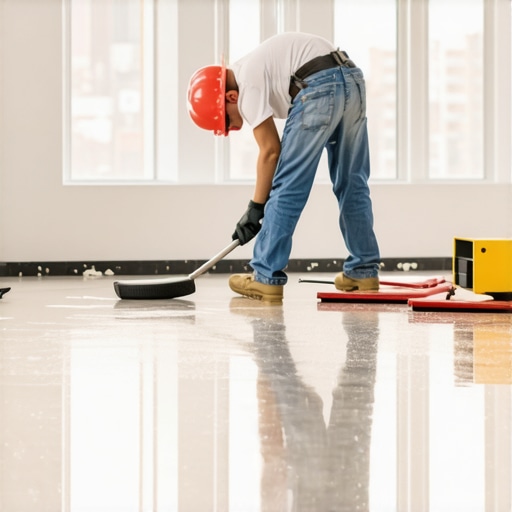
It was a frustrating morning when I stood on my living room floor, only to feel that soft, uneven dip beneath my feet. No matter how carefully I installed the laminate, those tiny dips kept causing squeaks and gaps. It hit me—if I had addressed the subfloor’s imperfections from the start, I could have saved myself hours of hassle and the expense of replacing damaged planks. That was my lightbulb moment.
Why Ignoring Floor Dips Could Cost You Big Time
Uneven floors might seem like a minor inconvenience at first, but over time they can lead to serious issues. Gaps, squeaking, and even structural problems can develop if dips and sagging aren’t dealt with before laying new flooring. Personally, I learned the hard way—skipping proper leveling can turn a simple DIY project into a costly headache.
If you’re planning on installing laminate, carpet, or any floating floor, understanding how to properly level your subfloor is essential. And with the 2026 deadline approaching, it’s more important than ever to get it right. An unlevel surface not only affects the appearance but also the durability of your new floor. According to professional installers, the top causes of laminate failure are subfloor imperfections, which often go unnoticed until the damage is irreversible. Check out [this guide](https://floorcraftstore.com/top-floor-leveling-laminate-flooring-tips-for-lasting-durability) to learn more about how proper leveling ensures your flooring lasts.
Are you currently facing dips or unevenness in your floors? If so, don’t worry—you’re not alone, and there’s an effective way to fix this common issue. In the following sections, I’ll share the practical steps I took to correct my floors, saving me lots of money and frustration. Let’s get your home level and ready for that beautiful new floor you’ve been dreaming of.
Assessing the Subfloor with Precision
Before diving into repairs, I used a long level and a straightedge to identify the dips and high spots across my entire floor. Think of it like a ship navigating rough waters—knowing where the waves are highest and lowest helps chart a smooth course. I marked trouble zones with chalk, which made subsequent steps clearer and more organized.
Removing Old Adhesives and Debris
Next, I cleared the surface thoroughly. Any remnants of old glue or debris act like bumps hidden beneath your new flooring, causing unevenness and squeaks. Using a vacuum and a mild solvent, I ensured the surface was spotless, giving the leveling compounds a clean base to adhere to. For detailed tips, see this guide.
Choosing the Right Leveling Material
For my project, I opted for a self-leveling compound. It’s like pouring pancake batter over uneven dough—it fills the gaps and creates a flat surface. When selecting, consider weight of the flooring and the size of dips. Thicker compounds are better for deep dips, while thinner mixes suffice for minor imperfections.
Mixing and Applying Technique
Following manufacturer instructions, I mixed the compound to a pourable consistency. Using a margin trowel, I spread the mixture into dips, ensuring it flowed smoothly and filled voids. For large areas, a squeegee helped distribute it evenly. Remember, working quickly is vital before the compound begins to set—timing determines the smoothness of your finish. For a more durable solution, check these tips.
Ensuring a Level Surface and Drying
After application, I used a long straightedge to verify evenness, making adjustments if necessary. I let the compound cure for at least 24 hours, avoiding any foot traffic. This patience ensures a firm, flat base that prevents future squeaks or gaps. Once dry, I lightly sanded high spots for a perfect surface, turning what was once a nightmare into a smooth foundation.
Final Inspection and Preparation
Before laying my laminate planks, I double-checked with a spirit level and confirmed the surface was uniformly flat. Any remaining imperfections could compromise the flooring’s integrity. Then, I laid down a moisture barrier and prepared for the final installation, confident the subfloor was ready to support a durable, squeak-free floor. For expert advice on preparing for laminate installation, see here.
Many DIY enthusiasts and even seasoned contractors overlook nuanced factors that can make or break a flooring project. While the basics such as choosing the right leveling compound or proper subfloor preparation are often emphasized, there’s a slew of subtle pitfalls that can derail your efforts. One common myth is that simply applying a self-leveling compound guarantees a perfectly flat surface. In reality, uneven moisture levels or incorrect mixing ratios can cause this compound to crack or fail over time, especially if not tailored to your specific substrate. According to experts from the National Wood Flooring Association, improper curing and ignoring environmental conditions during application are leading causes of leveling failures.
Avoid assuming that once the surface appears level, the job is done. Small undetected dips can cause excessive wear on laminate planks, leading to gaps and squeaks down the line. For advanced projects, consider running a series of floor compression tests to verify uniform load distribution and stability—simple steps that many skip but are crucial for longevity.
When it comes to carpet installation, a frequent mistake is neglecting subfloor imperfections. Some installers believe that padding can compensate for slight unevenness, but this often results in visible wrinkling and uneven seams. The real solution involves meticulous subfloor leveling, even for minor dips, to ensure a smooth, wrinkle-free finish. Professional tips suggest using a laser level to identify high and low spots before laying down padding and carpet, which can significantly extend the life of your investment.
And let’s not forget showers—arguably the most vulnerable area when it comes to floor leveling mishaps. Installing tiles or waterproofing membranes over an uneven surface can result in cracks, leaks, and mold growth. A frequently overlooked detail is the substrate’s slope; if the drain isn’t perfectly aligned with the subfloor’s gradient, water will pool, causing deterioration. An advanced trick is to perform a flood test prior to tiling, which can reveal hidden slope inconsistencies. This step is vital for modern bathroom renovations aimed at durability and ease of maintenance.
So, what are some advanced mistakes that even experienced DIYers might not realize? One often-ignored factor is the compatibility of different materials—using a different type of leveling compound than recommended for your substrate can induce compatibility issues, leading to delamination and failure. It’s crucial to consult manufacturer guidelines or professional sources like this guide to ensure you select the appropriate products for your specific project.
In summary, the nuanced details—from moisture levels during leveling to substrate slope testing and material compatibility—are the hidden keys to successful floor installations. Overlooking these can turn a simple upgrade into an ongoing battle with cracks, squeaks, and costly repairs. Have you ever fallen into this trap? Let me know in the comments. For more in-depth insights, explore our comprehensive tips on professional floor leveling and installation techniques to ensure your project stands the test of time.
Keep It Working: Essential Tools for Longevity
Maintaining your flooring and bathroom upgrades over time requires the right set of tools executed with precision. Personally, I swear by a calibrated laser distance meter, which ensures my measurements are spot-on every time, especially when verifying the flatness of a subfloor before installation. Unlike traditional spirit levels, laser meters save me time and provide higher accuracy over larger areas. For example, during my recent laminate flooring project, I used the laser tool to identify subtle dips, preventing future squeaks and gaps. Prediction suggests that as technology advances, smart measuring devices integrated with app controls will become standard, making DIY precision even more accessible.
Another invaluable tool is a high-quality mixing paddle and a durable trowel. I prefer a paddle with adjustable speed because it ensures thorough mixing of leveling compounds, reducing the chances of cracks caused by improper blending. My trowel — specifically, a notched margin one — helps in spreading compounds uniformly, especially in larger dips or uneven areas, ensuring a smoother finish that promotes long-term durability. Remember, improper mixing and application techniques are common pitfalls; therefore, investing in good tools and learning their optimal use pays off in longevity.
Why Regular Maintenance Matters
Once your floors and showers are installed, the work doesn’t end. Regular inspection for cracks, water damage, or uneven spots extends the lifespan of these renovations. For instance, I habitually check my shower’s waterproofing seals by performing simple water tests to catch leaks early. Similarly, vacuuming and cleaning the laminate surface with a manufacturer-approved product prevent dirt buildup that can deteriorate adhesives or cause warping over time. These small steps help avoid costly repairs down the line and keep your home looking fresh and functional for years.
Tools I Recommend for Long-Term Results
For bathroom showers, a quality grout sealer brush and a moisture detector are my go-to items. The sealer brush ensures the grout lines stay protected against water infiltration, which could lead to mold—especially critical in preventing water damage that might compromise your subfloor, inviting issues down the line. I also use a handheld moisture meter, as recommended by industry experts, to periodically assess hidden dampness, safeguarding your investment against mold and rot.
For flooring, I have found that a buffer machine with a soft pad saves me from frequent re-sanding or refinishing. It maintains the surface’s polish, especially in high-traffic areas or over time as minor wear appears. Also, utilizing an impact drill with adjustable torque helps in tightening loose fixtures or installing new elements, preventing future issues.
How do I maintain my floors and showers over time?
Consistent checking and cleaning with the right tools, sealing vulnerable areas, and addressing minor damages early can significantly extend your installation’s lifespan. Remember that modern tools like smart sensors and advanced sealants will continue evolving, making maintenance more straightforward and effective. For example, incorporating a routine moisture check, as suggested in this expert guide, helps catch problems sooner, saving money and hassle. Try integrating a dedicated water test or sealing schedule into your maintenance routine today, and watch your investment pay off year after year.
The Hardest Lesson I Learned About Floor Leveling and Durability
One crucial insight I had was realizing that quick fixes rarely hold up over time. During my first attempt at leveling a subfloor, I underestimated moisture levels, which led to cracks developing in the compound after a few months. It taught me that understanding environmental factors and proper curing is essential for lasting results.
Spotting Hidden Warning Signs Before It’s Too Late
I discovered that small, seemingly insignificant dips or cracks can be early indicators of deeper structural issues. Regular inspections, especially after seasonal changes, helped me catch problems early, saving me from expensive repairs and frustrations down the line. Trust me—attention to detail now pays off later.
Why Not All Leveling Materials Are Created Equal
Using high-quality, appropriately chosen leveling compounds made a massive difference. I learned that thicker compounds are not always better for deep dips; sometimes, multiple layers or tailored solutions are needed. Exact material selection is the key to a smooth, durable finish that stands the test of time.
Curated Tools That Transformed My Approach
Investing in a laser level and precise mixing tools changed how I approached floor leveling. These tools provided accuracy and consistency, preventing issues like uneven surfaces or weak spots. I now recommend these for anyone serious about a perfect finish—trust me, the results speak for themselves.
My Journey Continues—Don’t Be Afraid to Tackle the Challenge
Getting your floors perfectly level might seem daunting at first, but with patience, proper tools, and attention to detail, you can achieve professional results. Your home deserves that level of care, and the pride you’ll feel watching your space transform is worth every effort. Start today, and remember—every expert was once a beginner ready to learn.
Explore Essential Supplies for Durability
- Heading off subfloor issues with a trusted laser level—I’ve found this tool indispensable for ensuring accuracy.
- Quality leveling compounds—choose the right one for your project’s specific needs to prevent cracking and failures, as detailed in this guide.
- Spectrometer or moisture meters—early detection of moisture problems saves you money and hassle.
- Proper tools for mixing and application—like a durable paddle and squeegee—make all the difference in achieving a smooth surface.
Forge Your Path with Confidence
Remember, mastering floor leveling is less about perfection and more about persistence. Small improvements today lead to beautiful, durable floors that keep your home comfortable and stylish for years to come. Ready to give your floors the attention they deserve? Share your experiences below—what challenges have you faced, and what’s next on your renovation list?