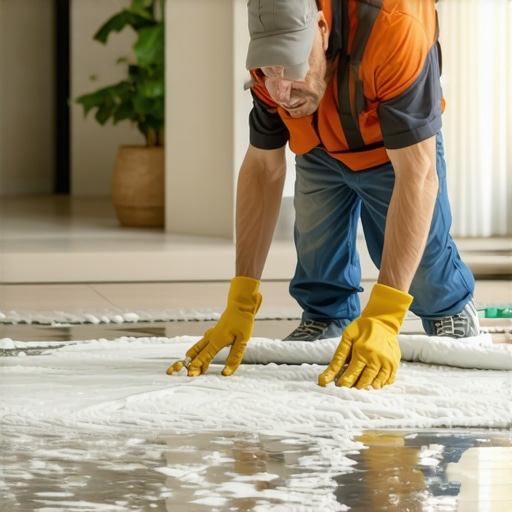
It was a morning like any other until I stepped onto my living room floor and immediately noticed a strange ripple. One of those annoying, unsightly bubbles that seem to emerge out of nowhere, disrupting the smooth surface I had painstakingly installed just last month. My heart sank. I had followed all the DIY tutorials, avoided obvious mistakes, and yet, here I was, battling the dreaded laminate bubbles again.
Why Moisture Matters More Than Ever in 2026
I’ve come to realize that the real culprit behind those pervasive bubbles isn’t just careless installation but moisture infiltration sneaking in beneath the laminate. As I dug deeper, I discovered that moisture barriers aren’t a mere recommendation—they’re the frontline defense to maintaining a flawlessly flat surface. According to research from the Building Science Corporation, moisture problems are among the leading causes of flooring failure, especially with the rising humidity levels in many regions. Ensuring proper moisture control can save you time, money, and a lot of frustration.
Is Moisture Barrier Installation Overhyped or Necessary?
Having made my fair share of early mistakes—like skipping the extra moisture barrier layer—I can honestly say skipping this step is a rookie error. It’s a mistake I paid for with uneven floors and bubbling issues. If you’re like me, questioning whether moisture barriers are worth the extra effort, I’d suggest reading up on how they protect your investment. Trust me, the peace of mind they offer is invaluable.
Now, if you’ve found yourself facing these bubble battles, or want to prevent them before they start, I’m here to share proven moisture barrier tactics that truly work. From choosing the right materials to proper installation techniques, I’ll walk you through everything you need to know to keep your laminate floors smooth and bubble-free. Ready to secure your floors against moisture and ensure lasting beauty? Let’s get started with the essentials.
Preparing Your Subfloor Properly
Start by removing all debris, dust, and old adhesive residue from your subfloor. Use a vacuum and a damp cloth to ensure surface cleanliness, similar to preparing a canvas before painting. Applying a moisture meter at this stage helps identify any hidden dampness; for concrete slabs, a reading over 3% indicates a need for additional sealing. If moisture levels are high, check out these subfloor tricks to mitigate moisture issues effectively.
Choosing the Right Moisture Barrier
Select a high-quality vapor barrier compatible with your flooring and subfloor type. Polyethylene sheets (6 mil or thicker) are common for concrete slabs, while specialized liquid sealants are better over problematic areas. During my installation, I opted for a 6-mil polyethylene sheet, overlapping seams by at least 12 inches and taping them securely—think of it as sealing a leak in a water hose to prevent moisture entry. Doing this correctly ensures a tight shield against rising damp, which is crucial to avoid future bubble formation.
Precise Installation Techniques
Lay Out the Barrier Carefully
Unroll the moisture barrier in the same direction as the flooring planks. Overlap seams by 12 inches and tape them with reinforced duct tape for a seamless barrier. During my project, I made sure the edges of the barrier extended up the walls slightly, creating a seal against rising moisture—this small step paid dividends later by preventing bubbles and warping.
Seal Edges and Transitions
Use appropriate sealants along the perimeter where the barrier meets walls, door jambs, or HVAC vents. This is akin to sealing a window frame to prevent drafts—all gaps are potential entry points for moisture. I applied a latex-based sealant along the perimeter, then pressed the barrier firmly against it, ensuring a continuous moisture blockade, and later covered the edges with quarter-round molding for an aesthetic finish.
Handling Complex Areas and Penetrations
For areas around pipes, vents, or other penetrations, cut the barrier precisely to fit around the opening with an extra 2-inch margin. Seal the edges with an appropriate tape or sealant to prevent moisture infiltration. Remember that any gap or loose flap here is like a crack in your armor—giving moisture room to seep in. During one of my installs, I used a silicone sealant to secure the barrier around a pipe protrusion, which eliminated a potential moisture entry point that caused me trouble in a previous project.
Final Inspection and Quality Assurance
Before laying down your laminate, double-check all overlapping seams, edges, and penetration points for secure sealing. Use a moisture meter again to ensure readings haven’t changed. Just as a builder inspects a foundation before pouring concrete, this step guarantees your moisture barrier is up to par. Skipping this can lead to hidden moisture lurking beneath your floors, eventually causing bubbles and damage. For more insights on ensuring your subfloor is perfectly prepared, see these leveling tips.Many DIY enthusiasts and even some professionals fall prey to misconceptions that can sabotage their flooring projects. One common myth is that a perfectly flat subfloor isn’t essential for laminate or carpet installation. However, uneven surfaces are a leading cause of future problems like squeaking, buckling, or visible gaps, as highlighted in a study by the Flooring Contractors Association. Rushing to level the floor without proper assessment often results in overspending on unnecessary materials or, worse, fixing issues later that could have been prevented initially.
Another nuanced mistake involves underestimating the importance of moisture testing and barrier application, especially in areas prone to humidity, like bathrooms or basements. Neglecting this step can lead to moisture buildup beneath the flooring, causing bubbles, warping, or mold, which are costly and disruptive to correct. For instance, many believe that installing a vapor barrier is a simple add-on, but failing to ensure its integrity—such as overlapping seams correctly or sealing perimeter gaps—can void the barrier’s effectiveness. Proper installation techniques are crucial, and I recommend referring to expert guides, such as those at this resource, to avoid common pitfalls.
When it comes to shower and bathroom installations, many assume that standard waterproofing methods suffice, but the nuanced reality is that many leaks stem from overlooked details. For example, improper sealing around shower pans or neglecting to test waterproof membranes can lead to significant water damage over time. According to waterproofing specialists, such as those referenced in this article, meticulous attention to detail—like double-checking sealant application and curing times—is essential for durability.
In the realm of carpet installation, a common oversight is ignoring the importance of subfloor condition. Many believe that carpet padding alone can compensate for subfloor imperfections, but in reality, uneven or debris-laden surfaces lead to wrinkles, premature wear, or edge fraying. An advanced approach involves precise subfloor preparation, including moisture mitigation and leveling, as outlined in expert tutorials. Failing to do so can turn your plush upgrade into a frustrating experience.
Behind these practices lies a critical insight: mastering the nuances of installation can vastly improve longevity and appearance. It’s not just about the materials but how they are applied, sealed, and integrated with existing structures. For instance, ensuring seamless moisture barriers or carefully leveling subfloors might seem detail-oriented but are the secret weapons against costly repairs down the line.
Have you ever fallen into this trap? Let me know in the comments. Remember, understanding these hidden nuances transforms a DIY project from hopeful to professional-grade, saving you time, money, and headaches in the long run.
Maintaining your flooring over time demands the right set of tools and a disciplined approach. From moisture meters to advanced leveling compounds, choosing the right equipment ensures your floors stay smooth, durable, and visually appealing. I personally rely on the Top Floor Leveling Tools to assess subfloor conditions accurately before each installation. Their precision helps me identify uneven spots and prevent future bubbles or creaks. Additionally, I keep a high-quality moisture meter handy for ongoing assessments, especially in basements or areas prone to humidity—preventative care that saves significant rework later.
For long-term results, investing in a suitable leveling compound and a trowel set is pivotal. These allow me to address minor subfloor imperfections effectively, aligning with expert strategies seen in professional tutorials. Consistent use of these tools, combined with methodical inspection routines, ensures the integrity of the installation. When it comes to showers or bathroom floors, specialized waterproofing tools like sealant applicators help maintain a watertight barrier, thus preventing long-term water damage and mold growth, as emphasized in this resource.
How do I maintain my flooring tools over time?
Proper maintenance begins with regular cleaning—removing dust, adhesive residues, and moisture after every job. Lubricating moving parts and storing tools in climate-controlled environments prevent rust and degradation. For example, I always wipe down my moisture meter and store it with batteries removed to avoid corrosion. Recalibrating these instruments periodically guarantees accuracy, which is non-negotiable for achieving smooth, bubble-free floors. Troubleshooting and replacing worn-out blades or tips on my trowel set ensures consistent application quality. As the trend toward smarter renovation increases, integrating digital measurement devices with calibration alerts is the future of flooring maintenance, enabling proactive care rather than reactive fixes.
Additionally, I recommend investing in durable storage solutions to prevent physical damage, which can impair tool functionality and compromise your results. Regularly reviewing your equipment against updated industry standards, like those outlined in this guide, keeps you ahead of potential issues. Embracing these maintenance routines not only prolongs your tools’ lifespan but also ensures that each project benefits from consistent, reliable quality.
Looking ahead, the integration of smart diagnostic tools and AI-powered calibration systems promises an even higher level of precision in flooring maintenance. These advancements will simplify routine checks and alert you to performance declines before problems manifest visibly. I encourage you to try upgrading your toolkit with a digital moisture meter or smart leveling system—it can significantly elevate your craftsmanship and results.
Throughout my journey with flooring installations, I’ve realized that the key to long-lasting, bubble-free surfaces lies in the often-overlooked details of moisture control and subfloor preparation. The biggest lightbulb moment came when I discovered that a well-installed moisture barrier isn’t just an extra step—it’s your primary shield against costly failures. Skipping this step can lead to hidden moisture, which silently causes bubbles, warping, and even mold, especially in humid climates. Another insight was the importance of precise seam sealing and thorough inspection; these small actions can prevent moisture from sneaking in through gaps or penetrations, making the difference between a durable floor and a headache-inducing disaster. Finally, I learned that even the best materials won’t perform if your subfloor isn’t properly prepared—leveling, cleaning, and testing are foundational to excellence. By embracing these lessons, I’ve transformed my approach and significantly extended the lifespan and appearance of my floors. Trust me, paying attention to these nuances can save you tons of frustration and money, so never underestimate the power of meticulous moisture management and subfloor prep.
http://Amanda%20Lewis
Reading this post really hit home for me. I had a similar experience with laminate bubbles last year, and after some trial and error, I learned just how crucial a quality moisture barrier is. I used a polyethylene sheet, but I didn’t pay enough attention to overlapping seams, which apparently can be a weak spot. Once I went back, reinforced the seams properly, and sealed around the edges, I saw a huge difference. It’s amazing how such small details can make all the difference in preventing future issues.
I’m curious, for those working in more humid climates, do you have recommendations for specific types of vapor barriers or additional steps that could further protect your floors? I’ve heard that in high humidity areas, some professionals double up on barriers or use more specialized sealants. Would love to hear others’ experiences and any tips you can share—it’s all about making these installations more resilient from the start.