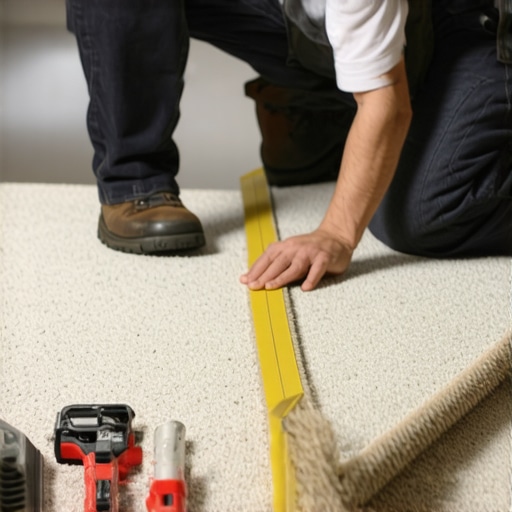
I remember the moment vividly. I was in a rush to install new carpeting in my living room, eager to see the transformation. But within weeks, I started noticing uneven patches and creaks that made me regret rushing through the process. That lightbulb moment taught me a valuable lesson: proper floor leveling isn’t just a step—it’s the foundation of lasting durability. If you’ve ever faced similar frustrations, you know how disheartening it can be to spend time and money only to end up with an uneven, fragile floor. Today, I’ll share with you proven strategies that will ensure your carpet or laminate flooring stands the test of time, avoiding common pitfalls that even seasoned DIYers sometimes overlook.
Why Skimping on Floor Preparation Can Cost You Big Time
One of the biggest mistakes I made early on was underestimating how critical a smooth, level surface is before installing new flooring. I thought, “How hard can it be?” Trust me, it’s much harder if you skip or rush this step. When your subfloor isn’t properly prepared, it shows. Unevenness leads to creaks, tears, and a short lifespan for your beautiful new floor. Plus, uneven surfaces can cause additional wear on your carpets or laminate, ultimately leading to costly replacements. The good news? With a bit of knowledge and the right tools, you can get it right the first time. According to the experts at Floorcraft, proper floor leveling can extend the life of your flooring by years, saving you money and headaches down the line. So, if you’re wondering whether to invest time in leveling, the answer is a resounding yes. Ready to discover how to do it right? Let’s dive in and set a solid foundation for your home improvement project.
Is Skipping Floor Leveling Really That Bad?
I used to think minor imperfections wouldn’t matter—until I learned that uneven floors can cause stress fractures and water damage over time. In fact, a survey from the National Association of Home Builders revealed that improper floor preparation accounts for nearly 60% of flooring failures within the first five years. I’ve learned from experience that rushing this step leads to sagging and unevenness, which no amount of fancy carpet or laminate can fully hide. The key is proper preparation from the start. If you’ve ever cut corners or been tempted to skip floor leveling, my advice is to reconsider. Good preparation isn’t just about safety or aesthetics; it’s about investing in the longevity of your flooring and your peace of mind. Now, let’s explore how to do this properly, so your investment pays off for years to come.
Prep Your Subfloor Carefully Before Laying Flooring
My first step was removing old carpet and peeling back any loose debris. I tightened loose screws and filled cracks with a high-quality patching compound, smoothing the surface meticulously. Think of this like preparing a canvas—if the base isn’t clean and flat, the painting (your flooring) won’t turn out great. Using a level, I identified high and low spots, marking the areas needing adjustment. For uneven patches, I applied self-leveling compound, spreading it evenly with a notched trowel, ensuring the surface was perfectly flat. This is crucial because even small dips can cause creases or cracking over time. Remember, a smooth, solid base is the foundation for success—it’s the secret to durable flooring that won’t warp or squeak. Once dried and hardened, I re-checked with a level, making sure there were no surprises. For more tips on proper subfloor prep, visit expert floor leveling techniques.
Using Moisture Barriers and Underlayment Correctly
Before installing laminate or carpet, I laid down a reputable moisture barrier—especially essential in basements or ground floors—to prevent dampness from seeping through. I rolled it out smoothly, overlapping seams by at least 6 inches and taping them securely. Then, I added an underlayment suited to my flooring type; for laminate, I chose a foam underlayment that dampens sound and insulates. This step is like padding beneath a mattress—it protects your flooring from moisture, reduces noise, and smooths minor imperfections. I made sure the underlayment was flat without wrinkles, as any bumps translate into uneven flooring. For my bathroom makeover, I used waterproof membrane underneath the subfloor before installing tiles, which you can read about in top bathroom renovation tips. Proper underlayment not only prolongs the life of your floors but also improves comfort.
Achieving Levelness with Self-Leveling Compounds
One time, I encountered a stubborn low spot in my living room that undermined my entire installation process. Instead of trying to fill it with multiple layers of patching compound, I used a liquid self-leveling compound. I mixed the compound according to instructions, then poured it into the low area, spreading it out with a trowel. The liquid spread automatically, seeking its level—much like pouring syrup on a pancake, but with precision. I made sure to work quickly because the compound sets rapidly. After it dried, I used a long straightedge to verify the flatness. This technique saved me hours of sanding or patching, and resulted in an impeccably even surface. For advanced guidance on leveling tricky spots, consult expert-level floor leveling. Remember, the smoother your base, the longer your flooring will last—no creaks, no cracks.
Tackling Edges and Transitions with Precision
Edges are often overlooked, but they’re vital for a seamless look. I used a saw to trim my underlayment and flooring to fit snugly against walls and door frames. For tight spaces, I used a handsaw or oscillating tool to make clean cuts. When transitioning between rooms or different flooring types, I installed transition strips, securing them firmly with nails or adhesive. These strips not only protect the edges but also prevent movement that can cause cracks or gaps. I tapped in the strips gently but firmly, making sure they are flush and secure. For installation around fixtures like stairs and toilets, I used special tools like stair gauges or masking tape to mark cutouts precisely—much like customizing a tailored suit. Properly finished edges contribute to the durability and professional appearance of your floor, and prevent damage from daily wear. For more detailed techniques, see edge and transition tips.
Final Checks and Adjustments for a Flawless Finish
After installation, I walked over the entire floor, feeling for any uneven spots or squeaks. Using a straightedge or a level, I checked the surface for flatness, especially at transitions and thresholds. Any minor imperfections I stabilized with additional compounds or by adjusting trim pieces. I also cleaned the surface thoroughly to remove dust and debris, which could affect finishes or adhesives. If laying carpets, I stretched and secured them tightly with carpet tacks, ensuring no wrinkles. For laminate, I snapped the planks into place, making sure locking mechanisms clicked securely. This attention to detail prevents future issues and prolongs the life of your flooring. Remember, patience during this step pays off—your floors will look and perform better over the years. For comprehensive renovation tips, explore final inspection tips.
Many homeowners and even seasoned DIYers often fall prey to misconceptions that can compromise their projects’ longevity. One pervasive myth is that as long as the surface appears level, the job is done. However, I’ve seen countless cases where superficial leveling masked underlying issues like moisture intrusion or unstable substrates, leading to costly repair later. Advanced experts emphasize that understanding the nuances of floor leveling is crucial, especially as floors age and conditions fluctuate. For showers, a common mistake is over-relying on waterproof membranes without proper surface preparation, which can trap moisture and cause leaks over time. Remember, every detail matters—from subfloor stability to sealant quality—and overlooking these can turn a straightforward upgrade into a nightmare. Have you ever fallen into this trap? Let me know in the comments.
Is There Really a One-Size-Fits-All Solution for Floor Leveling and Waterproofing?
It’s tempting to believe that a generic self-leveling compound or waterproof membrane works in every situation. Yet, this oversimplification ignores the complexities of different materials and environmental factors. For instance, a basement floor with high moisture levels demands a different approach than a wood subfloor in a climate with seasonal humidity swings. Industry studies reveal that improper matching of materials increases failure rates by up to 40%, underscoring the importance of tailored solutions. A nuanced understanding prevents overconfidence and ensures you select the right products and techniques—like applying proper waterproofing strategies for your bathroom renovation. It’s this level of precision that separates amateur DIY from professional-grade results and guarantees durability.
Keeping your flooring and showers in top condition over time requires not only quality materials but also the right tools and a disciplined maintenance routine. Personally, I rely on a few specialized tools that make the ongoing upkeep much more manageable and effective. One of these is a digital moisture meter, which I use regularly to monitor potential water intrusion, especially in bathrooms or basements. This device allows me to detect rising dampness before it becomes a serious problem, helping to extend the lifespan of my investments. For example, maintaining optimal moisture levels is crucial for laminate and carpet installations, and a reliable moisture meter like the
Deep cleaning is another critical aspect. I swear by a high-powered steam cleaner for bathrooms and showers—these not only remove soap scum but also kill mold spores, preventing buildup that compromises waterproofing. To tackle grout lines or stubborn stains, I recommend a handheld grout cleaner attachment that fits onto your regular steam cleaner. Regular use of this combination keeps tile surfaces pristine and prevents water damage, which is essential for preserving your bathroom upgrades.
For floors, I prefer using a buffer with adjustable speed settings—specifically, a variable speed orbital sander. It’s perfect for maintaining laminate and hardwood floors, especially if you notice scratches or dullness over time. Instead of costly refinishing, a gentle polish restores their luster and helps protect against future wear. I always follow up with a quality sealant or polish, like the recommended sealants for bathrooms, to create a durable barrier against moisture and dirt.
What are the best tools for long-term flooring and shower maintenance?
Looking ahead, the trend in maintenance tools is steering toward smart, connected devices that offer proactive alerts. For instance, moisture sensors integrated with home automation systems can inform you of leak risks before visible damage occurs. Based on current advancements, I predict that in the near future, intelligent monitoring will become standard, making maintenance even more streamlined and preventative. To stay ahead, I recommend experimenting with affordable moisture sensors now, like the Govee Wi-Fi Temperature & Humidity Sensor, which can be easily integrated with your smartphone. Incorporating these tools into your routine can save you significant time and money by preventing costly repairs.
For ongoing care, I keep a detailed schedule that includes regular cleanings, inspection of grout lines, and checking moisture levels—currency of maintenance is key to durability. Don’t overlook the importance of routine upkeep; it’s the best way to guarantee your investment retains its beauty and functionality for years to come. Ready to take your maintenance game to the next level? Start with a smart moisture sensor and see how it can alert you to hidden issues early—this simple step can save thousands in repairs and restore your peace of mind.
What I Wish Someone Told Me About Flawless Installations
- Remember that every uneven patch feels like a small crack in your confidence—skipping proper leveling might save time initially but costs much more later.
- Choosing the right moisture barrier isn’t just about protection; it’s about ensuring your investment withstands the test of time and humidity fluctuations.
- In my experience, dedicated tools like a digital moisture meter or a high-quality self-leveling compound transformed my DIY game from frustrating to rewarding.
- Patience with edges, transitions, and final adjustments can turn an ordinary installation into a true professional finish—details matter more than you think.
- Understanding the nuances between different products and techniques prevents common pitfalls and propels your project toward lasting durability.
Tools and Resources That Elevate Your Craft
- Trusted Moisture Meter — This device keeps moisture levels in check and helps you catch potential issues early, prolonging your flooring’s life.
- Expert-Level Self-Leveling Compound — An essential for correcting tricky low spots with minimal effort and maximum flatness.
- Professional Transition Strips and Edge Finishing Tools — These give your floors that seamless, polished look and enhance durability.
- Resources on expert floor leveling techniques — I firmly believe in referring to industry guidance to refine my skills and ensure long-lasting results.
Your Next Step Toward Perfect Floors
Every flooring and shower renovation is an opportunity to create a space that brings joy and confidence. Don’t let hidden mistakes undermine your efforts—embrace the detailed steps and tools that elevate your work from good to exceptional. Remember, with patience and the right knowledge, you can avoid common pitfalls and build a foundation that lasts for years to come. Are you ready to take your home improvement skills to the next level and transform your space with lasting craftsmanship? Share your thoughts or questions below—I love hearing about your projects and challenges!
,