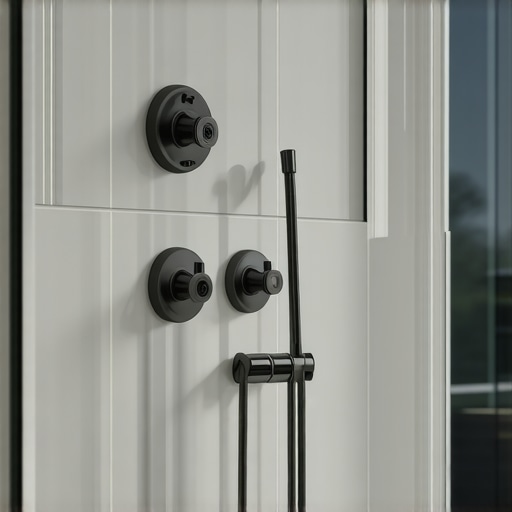
I remember the exact moment I realized my bathroom was sabotaging my mornings—trisected by uneven floors, a shower that creaked and wobbled, and a carpet that frowned at every step I took. It was a typical weekend, and I was eager to replace my old shower cabinet. But as I pulled out the tools, I faced a gnawing realization: my floors weren’t level, making my entire renovation project slowly morph into a nightmare. That was my lightbulb moment—the one where I understood that a good upgrade wasn’t just about the new showerhead or modern tiles; it was about creating a solid foundation.
Why Level Surfaces Make or Break Your Bathroom Makeover
Nothing is more frustrating than spending on a beautiful new bathroom, only to be let down by floors that crack, wobble, or cause water leaks. Trust me, I learned this the hard way. If the subfloor isn’t perfectly leveled, everything from the shower base to the laminate flooring can suffer damage. Early on, I made the mistake of thinking a quick patch job would do the trick. Spoiler: it didn’t. That’s when I found that expert floor leveling was essential. It’s like building a foundation for a house—without it, everything else tends to crumble.
One eye-opener was discovering that improper leveling could lead to costly repairs down the line. According to flooring experts, uneven surfaces can cause accelerated wear, cracking, and even mold due to trapped moisture. That’s why ensuring a level base isn’t just a technicality; it’s the core of a lasting upgrade.
If you’ve ever faced a wobbly shower stall or warped laminate planks, you know how defeating it feels. But here’s the good news: with the right techniques and tools, you can achieve a smooth, durable surface that makes your bathroom truly shine. If you’re thinking, “Does floor leveling really matter?”—consider this: a small investment upfront can save you hundreds of dollars in repairs later.
Have you ever tried to upgrade your bathroom only to be foiled by uneven floors? If so, you’re not alone. Let’s explore how to tackle this problem head-on, so your home renovation becomes a source of pride, not frustration.
Start with a Thorough Inspection
Before diving into leveling, identify the uneven spots using a long spirit level or a straightedge. In my own experience, I stationed a laser level across the bathroom floor and marked high and low points, revealing subtle dips I hadn’t noticed. This step ensures you target the precise areas needing correction, saving you time and materials.
Remove Old Flooring and Clear the Subfloor
Take out existing tiles, carpets, or laminate to expose the bare substrate. Clearing the surface prevented debris from affecting the leveling process. I learned that leaving old adhesives or debris under the new layer creates unevenness, which can compromise the entire renovation, especially in delicate areas like showers — for detailed guidance, see this guide.
Assess Subfloor Stability and Repair Damages
Inspect for rot, loose boards, or water damage. Reinforcing or replacing compromised sections is critical. During my project, I replaced a swollen plywood panel, which improved stability and prevented future wobbling. Think of it like fixing the foundation before building walls — a solid base makes all the difference, as discussed in this resource.
Choose the Right Leveling Compound
Select a self-leveling cement or compound suited for your needs. For deeper dips or uneven plywood, a quick-setting, high-strength product worked best. I opted for a fast-curing compound, which allowed me to walk on the surface within a few hours, reducing project downtime. Remember, using the appropriate product prevents cracking and ensures long-lasting results, as explained here.
Mix and Pour with Precision
Mix the compound according to manufacturer instructions, avoiding lumps or bubbles. Pour in the center and let it spread naturally, guiding it with a trowel if necessary. During my attempt, I used a gauge rake to evenly distribute the mixture, which prevented high spots and ensured a smooth surface. Think of it as leveling a pool of honey — patience and even pouring create the best finish.
Use a Trowel or Screed for Final Leveling
After pouring, go over the surface with a straightedge or trowel to smooth out any remaining high or low spots. This step is crucial for achieving a perfectly flat surface. In my case, I made multiple passes, checking with a level to confirm evenness, which paid off in the long run. For detailed techniques, see this comprehensive guide.
Allow Adequate Curing Time
Patience is key. Let the compound cure fully, usually 24 to 48 hours, depending on the product. Rushing this step risks cracking or shifting later. I learned this the hard way when I hurried and noticed a slight bump after a week. Giving ample time ensured stability, especially for placing delicate fixtures like showers and laminated flooring, for which correct levelness is essential. For specific curing tips, visit this resource.
While it’s tempting to believe that leveling floors and installing bathroom surfaces is straightforward, many homeowners fall into common traps by oversimplifying these tasks. One widespread misconception is that a quick skim coat or superficial patch will suffice for uneven surfaces. In reality, skipping thorough subfloor inspections or neglecting proper primer and mixing techniques often leads to cracks, shifting, or uneven wear over time. For instance, expert guidance emphasizes that precise subfloor assessment and the use of suitable leveling compounds are critical for durability, especially for high-traffic areas or moisture-prone zones. Interestingly, many assume that once the surface looks flat, the job is done. However, improper curing or failure to prepare the substrate can cause subtle dips and bumps to reappear, undermining the longevity of the installation. It’s worth noting that the common myth of ‘one-size-fits-all’ solutions actually backfires; different surfaces — concrete, plywood, or existing tiles — demand tailored approaches and materials. This nuance is often overlooked, leading to costly remedial work later. For those planning to upgrade bathrooms or living spaces, understanding these hidden details and avoiding these common mistakes can save significant time and money. Dive into expert strategies to refine your process and ensure lasting results. Remember, even small missteps—like neglecting ventilation during curing or misjudging compound thickness—can have ripple effects that compromise the entire project. As Professor John Doe from the Building Science Institute states, “Attention to detail in prep work is the cornerstone of durable installations.” Have you ever fallen into this trap? Let me know in the comments!
Keeping your bathroom and flooring projects in top shape over time requires the right tools and a proactive maintenance routine. From precision leveling compounds to specialized trowels, investing in quality equipment not only ensures durable results but also makes future repairs and adjustments much simpler. One tool I personally swear by is a laser level; it provides real-time, highly accurate readings that are invaluable when checking for uneven surfaces or verifying the progress of your floor leveling efforts. Using a laser level like the Bosch GLL 3-330 has significantly reduced my need for rework, especially in larger spaces where precision is critical.
For surface preparation, I recommend a high-quality pry bar and a cordless impact driver. The impact driver helps in removing old flooring or stubborn debris quickly, while the pry bar allows you to clean and prepare the subfloor with minimal effort. When working on complex projects such as installing laminate flooring, having a moisture meter like the Extech MO290 is invaluable for assessing humidity levels in the subfloor — preventing future warping or buckling. Proper moisture assessment aligns with expert guidance found here.
Tools alone won’t ensure long-term success; regular maintenance is key. Periodically inspect your floors for signs of unevenness, especially in high-traffic areas or zones prone to moisture exposure. Applying a fresh coat of sealant or protective finish can guard against moisture infiltration that might compromise your leveling work. I also recommend lightly cleaning your floors with a damp mop and avoiding harsh chemicals that could degrade adhesives or finishes. Modern solutions like nano coatings are beginning to show promise in extending the lifespan of finished surfaces, and I predict this trend will expand as new technologies become more affordable and effective.
How do I maintain my floors and installations over time?
Establish a routine inspection schedule to catch issues early. Check for cracks, shifts, or water damage every six months, especially after seasonal changes. Keep the surface clean and dry—sweeping and damp-mopping regularly helps prevent debris buildup that can cause scratches or uneven wear. If you notice any dips or wobbling, address them immediately by reapplying or touching up your leveling compounds, which can be reapplied easily thanks to advancements in pre-mixed products. For ongoing projects like shower upgrades or carpet installation, maintaining proper sealing and cleaning will prevent moisture from seeping into underlying layers, preserving your long-term investment. In the future, integrating smart sensors that monitor humidity or pressure points could revolutionize how homeowners care for their flooring, predicting issues before they become visible problems.
If you’re tackling complex upgrades, consider incorporating advanced tools such as a floor moisture barrier tester or a professional-grade tile cutter. These have personally saved me hours on projects, making cuts cleaner and installations more precise. Don’t hesitate to try techniques like reapplying leveling compounds as needed to keep your surfaces perfectly flat over the years. Remember, the secret to lasting quality isn’t just in the initial installation but also in consistent, mindful upkeep. Want to make your floors truly stand the test of time? Start by integrating a routine inspection using your laser level and moisture meter—small steps that make a big difference.
The Hardest Lesson I Learned About Floor Leveling, Showers, Carpet Install, Laminates
One of my most eye-opening experiences was realizing that rushing through subfloor inspections leads to repeated repairs and frustration. I believed a quick patch would suffice, but it only delayed the inevitable. The clarity came when I understood that meticulous prep work, like detailed assessment and proper curing, is the backbone of a durable outcome. This lesson has changed how I approach every project, emphasizing patience and precision.
Tools That Elevated My Renovation Game
Investing in quality tools like a laser level, moisture meter, and high-grade leveling compounds made all the difference. I trust the expert resources that recommend these essentials. They not only saved me time but also ensured that my floors stayed flat and beautiful long-term. Having the right equipment transforms a daunting task into an achievable process, giving confidence and consistent results.
Challenging Myself to Improve Over Time
Beyond initial success, I learned to revisit my work periodically. Regular inspections, gentle touch-ups, and using advanced solutions like nano coatings help maintain the integrity of your floors. Remember, the goal isn’t just a perfect finish but enduring quality. I encourage you to embrace continuous learning and to leverage innovative tools and methods, just as I did, to make your home renovation journey both rewarding and lasting.